Quote · Added 14 February 2026
Everything has beauty, but not everyone sees it.
No ratings yet
Filed underbeauty·perception·appreciation
Quote · Added 14 February 2026
Filed underbeauty·perception·appreciation
We live in a world optimized for missing things. Our phones train us to scroll past complexity, our routines dull us to the familiar, and our stress narrows our attention to what feels urgent. The result? We walk past the same coffee shop every morning for three years without noticing how light hits the tiles on its floor, or we hear our partner's laugh a thousand times without really hearing it anymore.
What Confucius captures here isn't that beauty is hidden or rare. It's everywhere—in weathered brick, in awkward silences between people who love each other, in the concentration on a stranger's face as they solve a problem. The barrier isn't the world's lack of beauty. It's us. It's the exhaustion, the cynicism, or simply the distraction that keeps us from the noticing that transforms an ordinary moment into something that lands differently.
The practical twist is this: seeing beauty isn't about becoming more sensitive or poetic. It's a small habit of attention. Stopping for thirty seconds. Asking "what's actually interesting here?" It costs nothing but presence, and it's one of the few things that genuinely improves with practice. The world doesn't get more beautiful when you see it better. You do.
d. 479
Confucius was a Chinese philosopher and teacher who lived in the 6th–5th century BC. Known for his ethical teachings, he emphasized personal and governmental morality, proper social relationships, justice, and sincerity. His ideas and philosophy, compiled in the Analects, have had a profound influence on Chinese culture and governance.
Also by Confucius
If you hate someone, then you are defeated by him.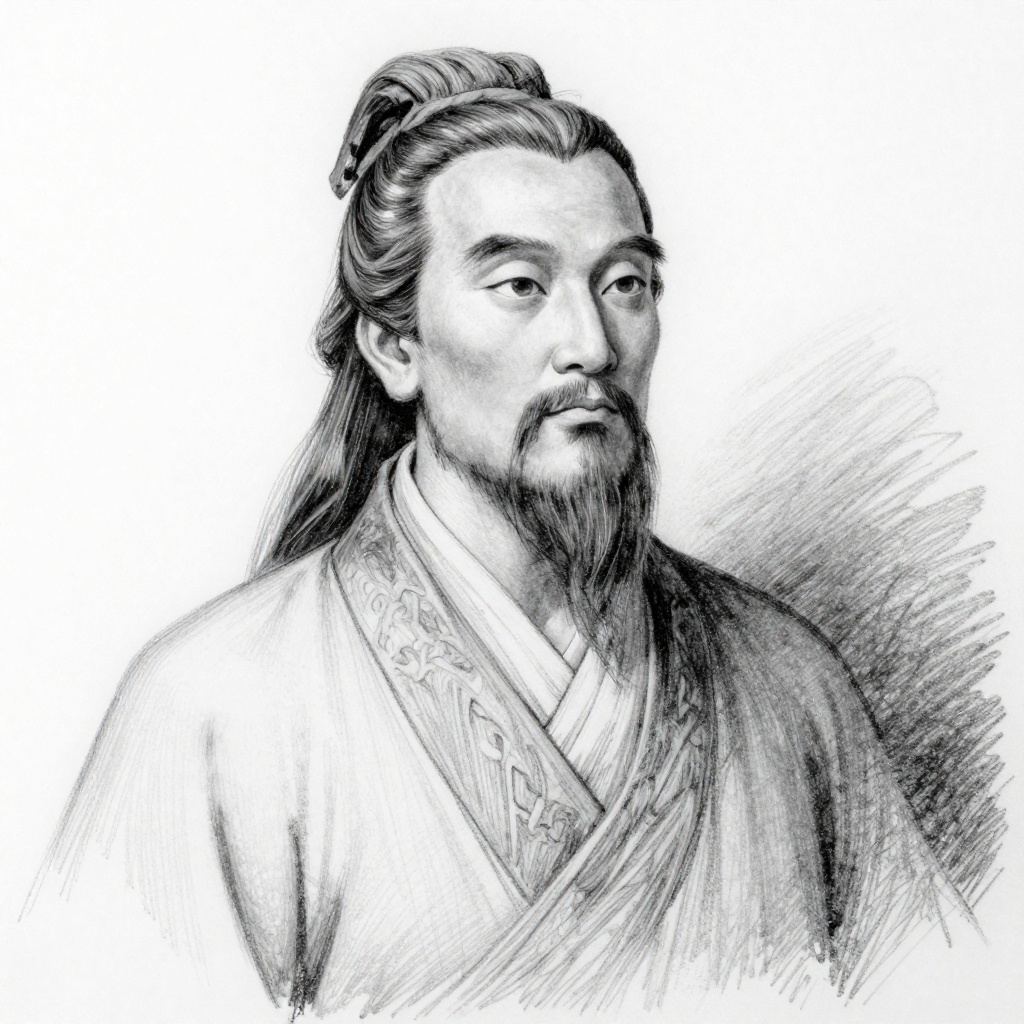
Comments