Quote · Added 15 February 2026
There is no death, only a change of worlds.
No ratings yet
Filed underdeath·change·perspective
Quote · Added 15 February 2026
Filed underdeath·change·perspective
We tend to treat death as an absolute ending—the final period at the end of a sentence. But this perspective suggests something radically different: that what we call death is really just a transition, a shift from one state of being to another. It's not annihilation. It's relocation.
This matters more than it might seem, especially when we're grieving or afraid. The phrase "change of worlds" feels less terrifying than "the end of everything." It acknowledges loss—someone genuinely leaves this world we inhabit—while leaving room for the possibility that they exist somewhere else, in some form we can't quite access. Whether you interpret that spiritually, philosophically, or poetically, the reframing does something useful: it resists the paralysis that total finality can create. We're not mourning something that ceased to exist entirely; we're mourning a separation.
What's quietly powerful here is that it also reframes how we live. If death is a change of worlds rather than an end, then perhaps this world deserves more intentional attention. We're not preparing for some distant apocalypse—we're meant to be present for the one we're actually in.
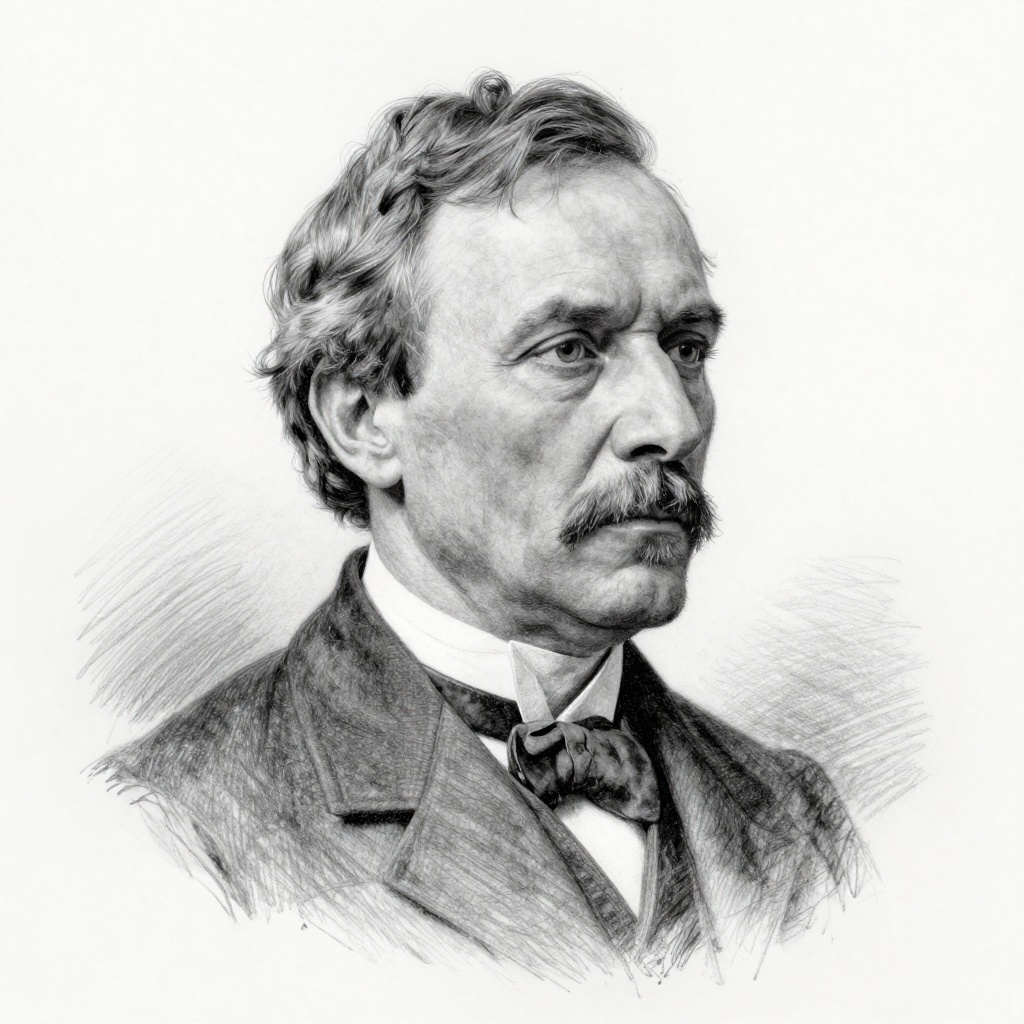
1786–1866·lived 80 years
Chief Seattle (circa 1786-1866) was a prominent leader of the Suquamish and Duwamish tribes in the Pacific Northwest. He is best known for his eloquent speeches advocating for the rights of Native Americans and the preservation of their land amid encroaching European settlement. His legacy includes the city of Seattle, Washington, which was named in his honor.
Comments