Quote · Added 12 February 2024
Life is a tragedy when seen in close-up, but a comedy in long-shot.
Charlie ChaplinChicago Tribune, 1972
Filed underlife·perspective·comedy
Quote · Added 12 February 2024
Filed underlife·perspective·comedy
We tend to live in close-up. A rejection email, a awkward conversation, a financial setback—these things loom enormous in the moment, filling our entire field of vision. We replay them obsessively, convinced they define us or ruin everything. But Chaplin understood something about human nature that time keeps proving true: almost none of these immediate crises actually matter the way they feel. The distance of weeks, months, or years transforms what seemed like tragedy into something almost absurd.
This isn't about toxic positivity or pretending real pain doesn't exist. It's about recognizing how much of our suffering comes from zoom level, not content. The person who bombs a presentation today might laugh about it in five years—not because the presentation mattered less, but because they can finally see it as one small scene in a much larger story. The same thing happens with our embarrassments, failures, and fears.
The practical insight here is that zooming out occasionally—asking "will this matter in two years?"—genuinely works. Not always as a cure, but as a reality check. It doesn't erase difficulty, but it does restore perspective at the exact moment perspective tends to disappear. Sometimes the bravest thing we can do is remind ourselves we're in a long shot, not a close-up.
1889–1977·lived 88 years
Charlie Chaplin was a British actor, comedian, and filmmaker, best known for his iconic character "The Tramp." He was a pioneering figure in the early days of cinema and is regarded as one of the greatest silent film stars in history. Chaplin's work often combined humor with social commentary, making him a legendary figure in the world of entertainment.
Also by Charlie Chaplin
In the end, everything is a gag.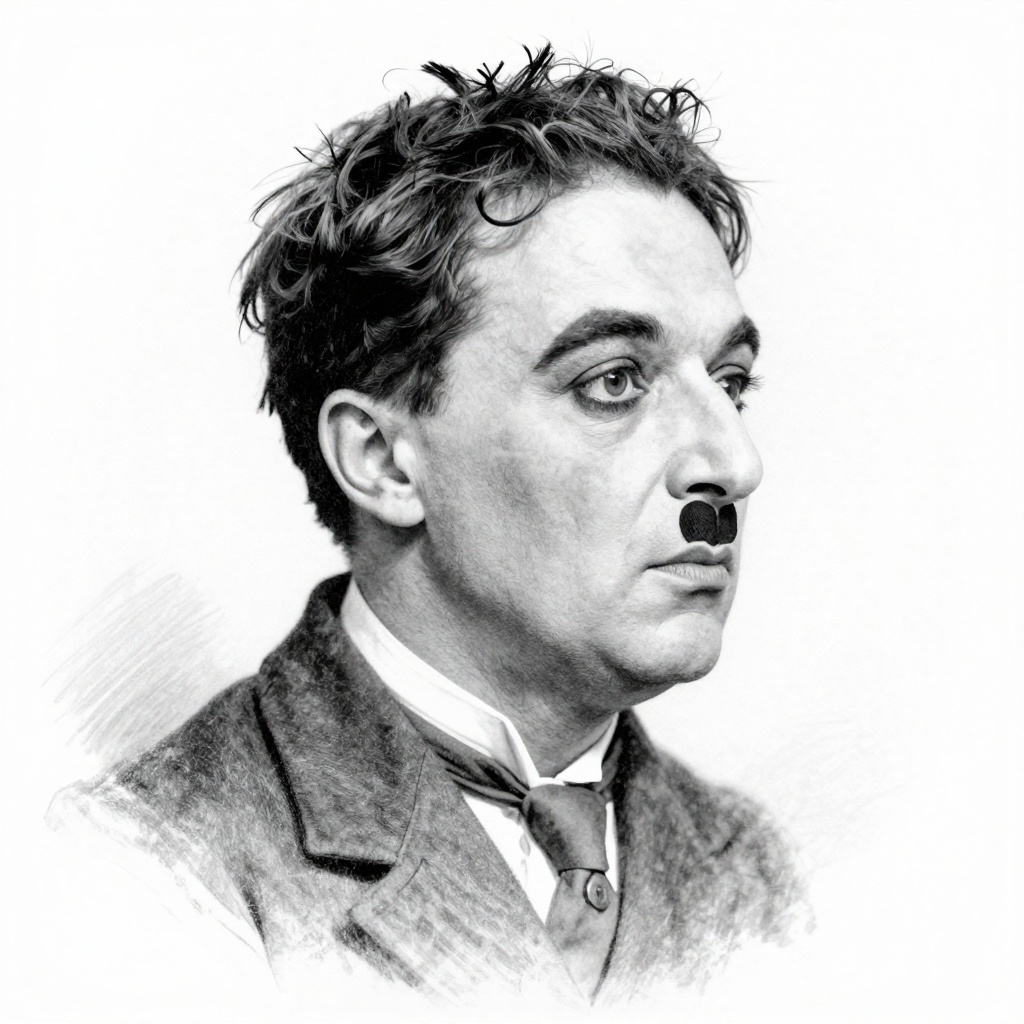
Comments