Quote · Added 14 February 2026
Failure is unimportant. It takes courage to make a fool of yourself.
Charlie ChaplinMy Autobiography, 1964
Filed underfailure·courage·resilience
Quote · Added 14 February 2026
Filed underfailure·courage·resilience
We're taught to avoid failure like it's contagious. So we play it safe, stick to what we know works, and keep our half-formed ideas locked away where nobody can judge them. But Chaplin's pointing at something counterintuitive: failure itself isn't the hard part. Making a genuine fool of yourself is.
There's a real difference between the two. Failure is just an outcome—neutral, almost. You tried something and it didn't work. But feeling like a fool? That's personal. That's the voice in your head convinced everyone's watching and judging. It's why people won't sing in public, ask for help, or attempt something they're not already good at. The risk of looking ridiculous feels bigger than the risk of the thing failing.
Chaplin knew this from his own career—he built comedy by doing exactly this, playing characters who stumbled and messed up in front of crowds. What made it work wasn't that he never failed; it was that he was willing to look ridiculous doing it. That willingness is what separates people who learn and grow from people who stay stuck. The courage isn't in the success. It's in the willingness to be clumsy, uncertain, and visible while you're figuring things out.
1889–1977·lived 88 years
Charlie Chaplin was a British actor, comedian, and filmmaker, best known for his iconic character "The Tramp." He was a pioneering figure in the early days of cinema and is regarded as one of the greatest silent film stars in history. Chaplin's work often combined humor with social commentary, making him a legendary figure in the world of entertainment.
Also by Charlie Chaplin
In the end, everything is a gag.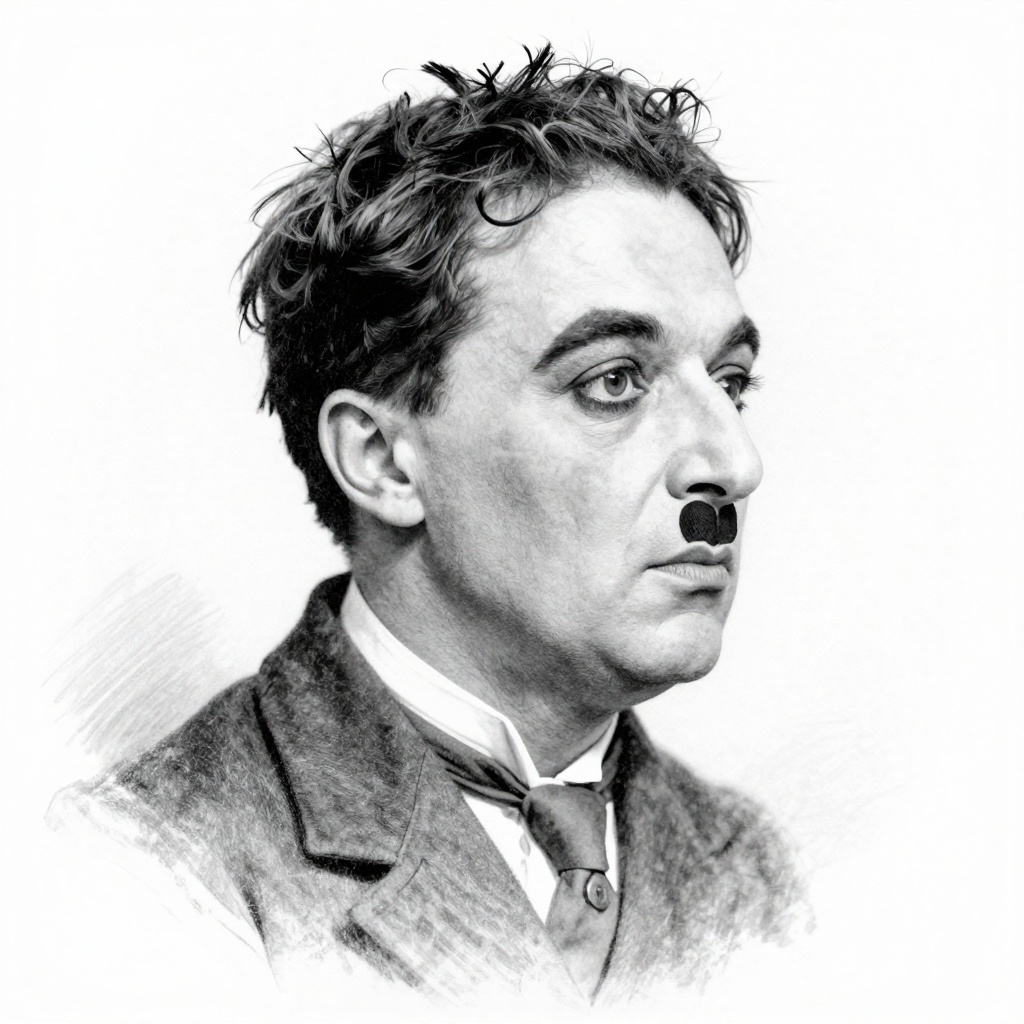
Comments