Quote · Added 7 March 2026
A great artist can paint a great picture on a small canvas.
Filed underart·creativity·potential
Quote · Added 7 March 2026
Filed underart·creativity·potential
We live in an age obsessed with scale. Bigger platforms, larger audiences, grander projects—we've internalized the idea that significance requires size. But this quote cuts against that grain in a way that feels almost rebellious. It's saying that mastery isn't about the space you're given; it's about what you do with it. A small canvas in the hands of someone who knows their craft can hold as much power as a cathedral wall.
This matters precisely because most of us are working with small canvases. We don't have unlimited resources, massive teams, or prime-time visibility. We have a small team at work, a handful of people who actually read our writing, a local community, a specific skill. The temptation is to wait—to believe we'll do something meaningful once we get more room, more time, more permission. But Warner's insight suggests that waiting is the real limitation. The constraint isn't the enemy of great work; it's often what forces the clarity and focus that makes work great in the first place.
There's something quietly liberating about this. You don't need permission or perfect conditions. You just need to commit fully to whatever space you actually occupy.
1829–1900·lived 71 years
Charles Dudley Warner was an American author, editor, and literary critic born on September 12, 1829, in Plainfield, Massachusetts. He is best known for his collaboration with Mark Twain on the novel "The Gilded Age: A Tale of Today," which satirizes American society in the late 19th century. In addition to his literary work, Warner served as the editor of various publications and was a notable advocate for social reform and environmental conservation.
Also by Charles Dudley Warner
What a man needs in gardening is a cast-iron back, with a hinge in it.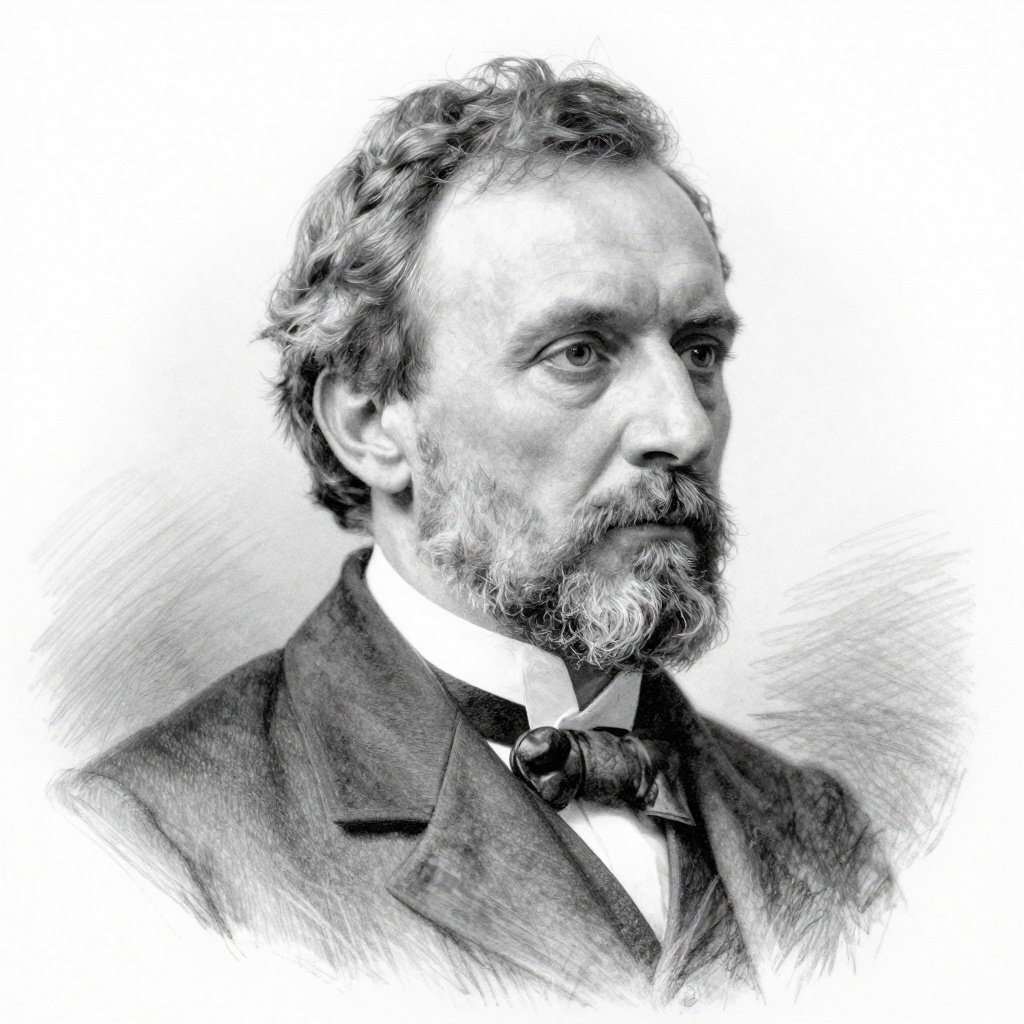
Comments