Quote · Added 15 February 2026
The age of chivalry is past. Bores have succeeded to dragons.
Filed underchivalry·change·disappointment
Quote · Added 15 February 2026
Filed underchivalry·change·disappointment
There's something oddly liberating about Dickens's complaint. He's not really lamenting the loss of sword fights and quests—he's pointing out that we've traded one kind of obstacle for another, and the new one might actually be worse. Dragons are dramatic; they demand action. Bores grind you down quietly, stealing your time and energy through small irritations, tedious obligations, and people who mean no harm but somehow drain everything interesting from a room.
It's a useful reframe for modern life. We spend a lot of time wishing for grand challenges worthy of our best selves, but the real friction usually comes from much smaller things. The endless email threads. The small talk that goes nowhere. The way genuinely interesting work gets buried under procedural busywork. Nobody needs a sword to handle these; you just need patience, which somehow feels less romantic and harder to summon.
The sneaky part is recognizing that the bores aren't always other people. Sometimes we're boring ourselves—scrolling instead of creating, defaulting to comfort instead of growth, choosing the safe path not because it's right but because it requires no dragon-fighting energy. Dickens's observation suggests that maybe our real task isn't waiting for something worth struggling against. It's learning to find meaning in the unglamorous work of pushing back against the ordinary.
1812–1870·lived 58 years
Charles Dickens was an English writer and social critic, widely considered one of the greatest novelists of the Victorian era. He is renowned for his vivid characters, intricate plots, and depictions of the social issues in his works, including classics such as "Oliver Twist," "Great Expectations," and "A Christmas Carol."
Also by Charles Dickens
I could always hear my better self clearing his throat in the room next door.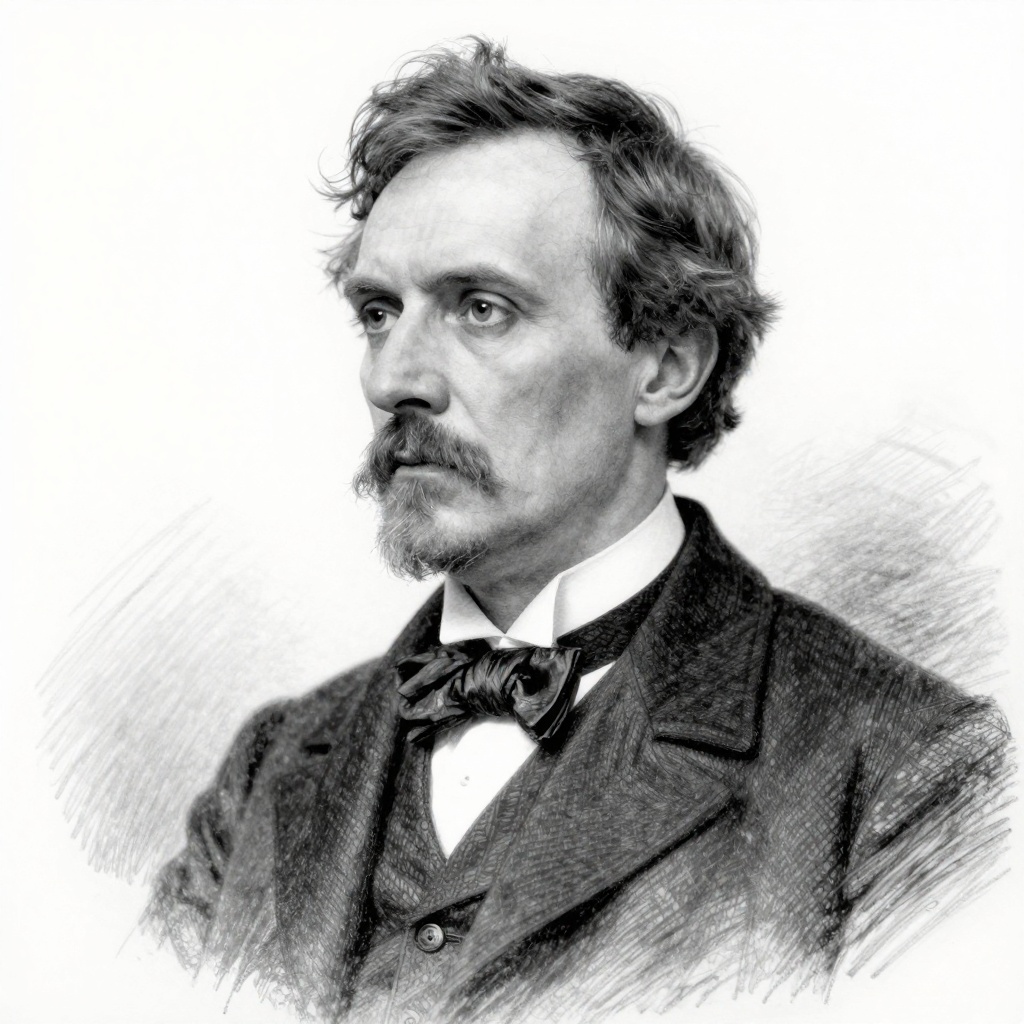
Comments