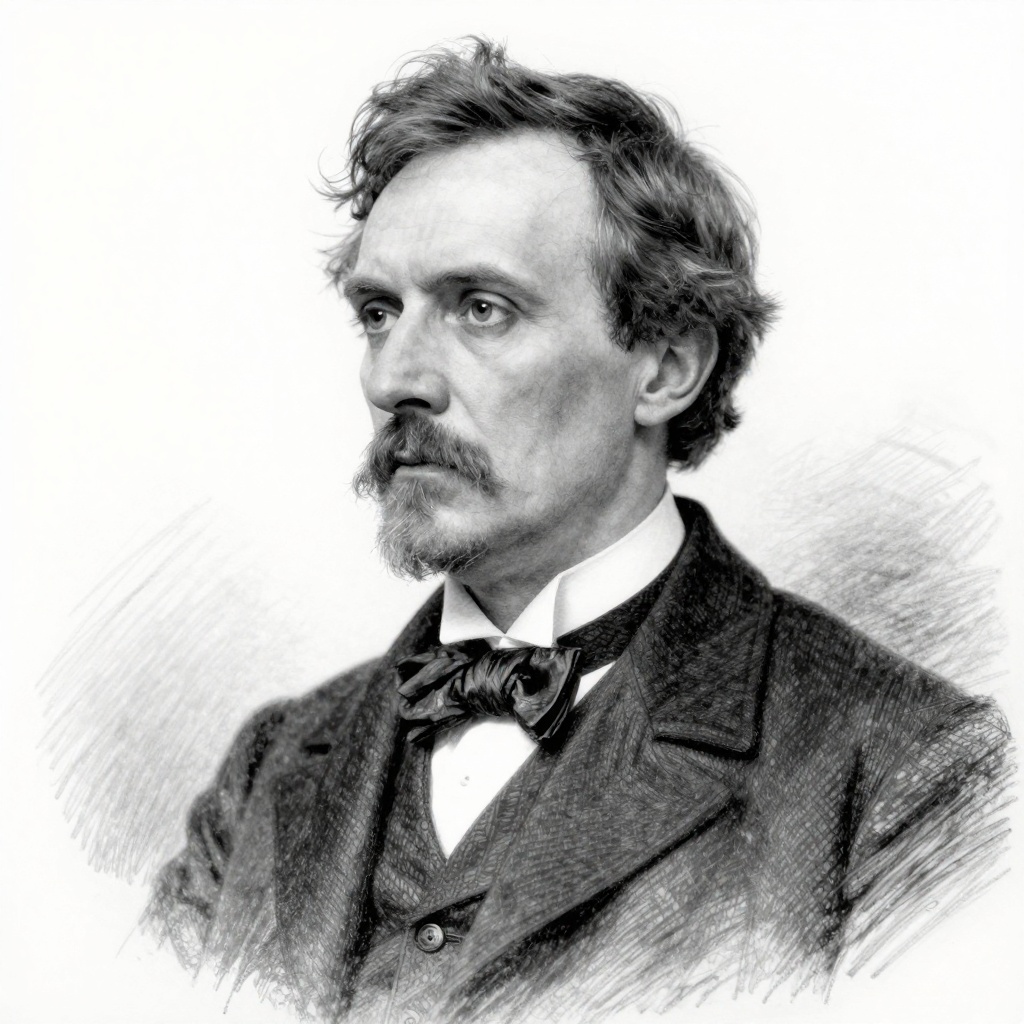
I never could have done what I have done without the habits of punctuality, order, and diligence, without the... — Charles Dickens

I never could have done what I have done without the habits of punctuality, order, and diligence, without the determination to concentrate myself on one subject at a time.

Author: Charles Dickens

Insight: We live in an age obsessed with multitasking and side hustles, yet Dickens is pointing at something we've actually known for centuries: real accomplishment comes from boring, unglamorous consistency. Not inspiration. Not talent alone. Not even hard work in the abstract—but showing up at the same time, in the same place, ready to focus on one thing until it's done. The trick is that this sounds obvious until you try it. Most of us scatter our attention across email, social media, three different projects at once. We tell ourselves we're being productive, but we're actually just spinning. Dickens is saying the opposite: the real power move is constraint. Deciding that Tuesday mornings belong to one project, that your desk gets cleared the same way every day, that you're not bouncing between five things. It sounds limiting, but it's actually liberating—you stop wasting energy deciding and renegotiating what matters. What's slightly surprising is that Dickens didn't become prolific because he was naturally gifted at juggling. He became prolific because he was mechanical about it. He treated writing like showing up to a job. That's not romantic, but it's deeply useful. If you want to do something meaningful, you probably need to be a little bit boring about how you do it.

Source: Forster, John. The Life of Charles Dickens, Vol. 1. 1872

I never could have done what I have done without the habits of punctuality, order, and diligence, without the determination to concentrate myself on one subject at a time.

Charles DickensForster, John. The Life of Charles Dickens, Vol. 1. 1872

Boring consistency beats scattered talent

We live in an age obsessed with multitasking and side hustles, yet Dickens is pointing at something we've actually known for centuries: real accomplishment comes from boring, unglamorous consistency. Not inspiration. Not talent alone. Not even hard work in the abstract—but showing up at the same time, in the same place, ready to focus on one thing until it's done.

The trick is that this sounds obvious until you try it. Most of us scatter our attention across email, social media, three different projects at once. We tell ourselves we're being productive, but we're actually just spinning. Dickens is saying the opposite: the real power move is constraint. Deciding that Tuesday mornings belong to one project, that your desk gets cleared the same way every day, that you're not bouncing between five things. It sounds limiting, but it's actually liberating—you stop wasting energy deciding and renegotiating what matters.

What's slightly surprising is that Dickens didn't become prolific because he was naturally gifted at juggling. He became prolific because he was mechanical about it. He treated writing like showing up to a job. That's not romantic, but it's deeply useful. If you want to do something meaningful, you probably need to be a little bit boring about how you do it.

Comments

Sign in to leave a comment or reply to one.

Sign in

Charles Dickens

Charles Dickens was an English writer and social critic, widely considered one of the greatest novelists of the Victorian era. He is renowned for his vivid characters, intricate plots, and depictions of the social issues in his works, including classics such as "Oliver Twist," "Great Expectations," and "A Christmas Carol."

Graph

Related