Quote · Added 2 September 2023
I hope that real love and truth are stronger in the end than any evil or misfortune in the world.
Charles DickensDavid Copperfield, 1850
Filed underlove·truth·resilience
Quote · Added 2 September 2023
Filed underlove·truth·resilience
We want to believe this, even when evidence seems stacked against it. Every news cycle offers proof that cruelty, greed, and bad luck win regularly. Dickens wasn't naive about this—he wrote in an era of brutal poverty and injustice he witnessed daily. Yet he held onto something harder than optimism: a working conviction that love and truth have a kind of momentum that outlasts their opposites.
The non-obvious part is that he's not saying good always wins immediately or visibly. He says "in the end"—which might mean decades, generations, or ways we'll never see. A lie can dominate for years; a broken promise can ruin a life. But truth has this stubborn quality: it doesn't need you to believe it to be true. Love, similarly, quietly shapes people in ways that ripple forward. One person's kindness to another creates a changed person who then treats someone else differently.
This matters now because we live in a culture that rewards fast victories and punishes faith in slow things. But Dickens suggests the real competition isn't between today's winners and losers—it's between what endures and what only seemed powerful for a moment. That's worth holding onto when the world feels dark.
1812–1870·lived 58 years
Charles Dickens was an English writer and social critic, widely considered one of the greatest novelists of the Victorian era. He is renowned for his vivid characters, intricate plots, and depictions of the social issues in his works, including classics such as "Oliver Twist," "Great Expectations," and "A Christmas Carol."
Also by Charles Dickens
I could always hear my better self clearing his throat in the room next door.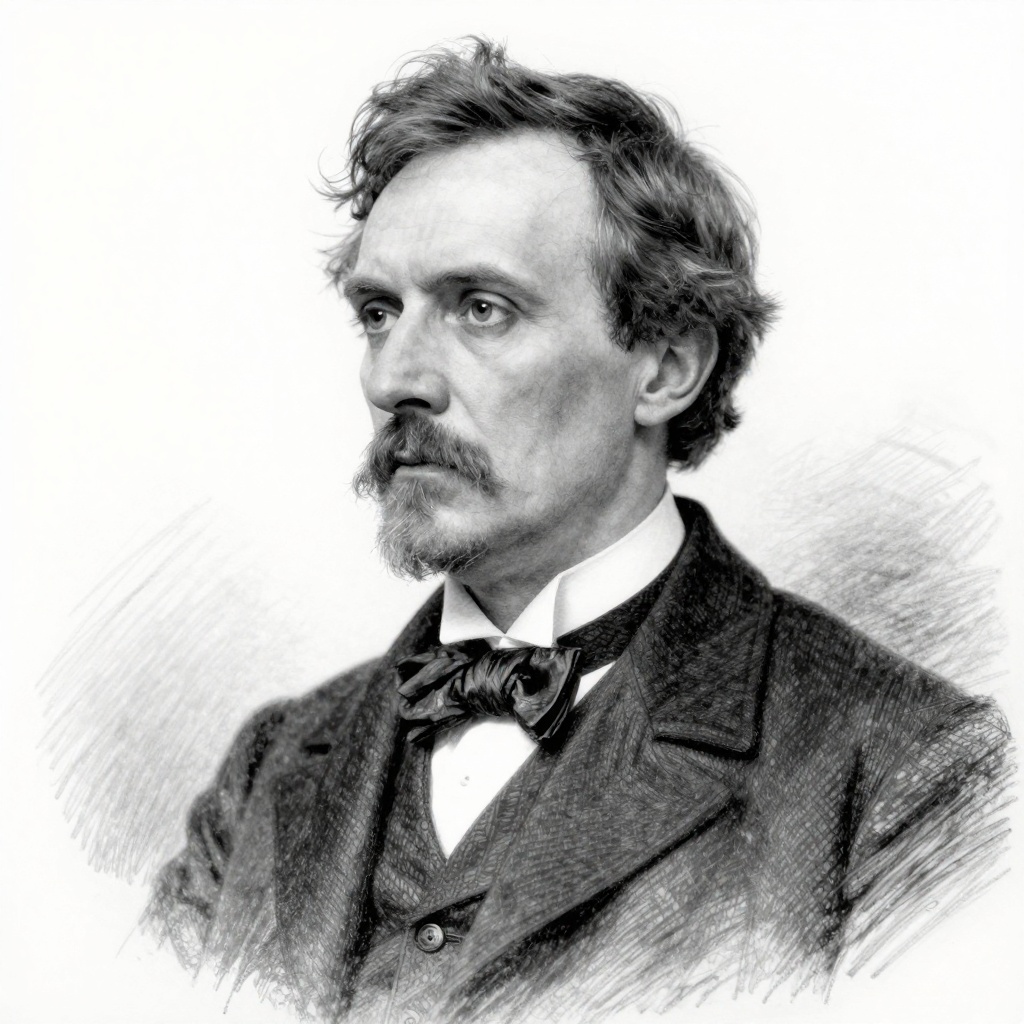
Comments