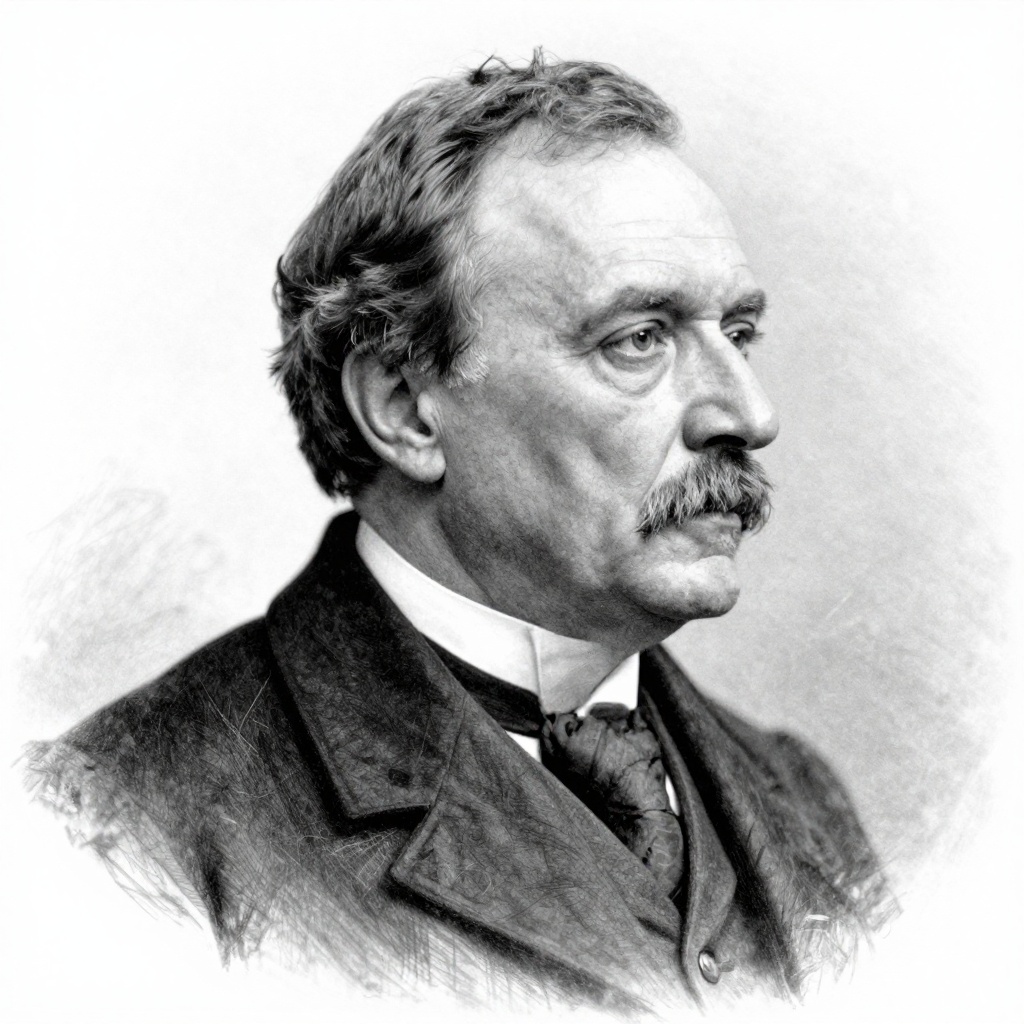
Why should we not form a secret society with but one object, the furtherance of the British Empire and the bri... — Cecil Rhodes

Why should we not form a secret society with but one object, the furtherance of the British Empire and the bringing of the whole world under British rule, for the recovery of the United States, for making the Anglo Saxon race but one Empire? What a dream, but yet it is probable; it is possible.

Author: Cecil Rhodes

Insight: This quote captures something fascinating about how smart, ambitious people can convince themselves that their particular version of the world is destiny rather than preference. Rhodes genuinely believed he was thinking at a higher level—not pursuing naked power, but orchestrating civilization itself. It's easy to dismiss this as pure arrogance, but it reveals something deeper: how often we wrap our self-interest in larger-than-life justifications, making what we want to happen feel inevitable. We do this constantly in smaller ways. A parent insists their strict rules are "for their kid's own good." A company reshapes an industry and calls it "disruption." A friend dominates a conversation, convinced they're educating everyone. The architecture is the same—taking something that benefits us or reflects our worldview, then framing it as universal truth or historical necessity. The difference between Rhodes's empire-building and everyday life is just scale. What's worth noticing is the dangerous confidence. Rhodes wasn't troubled by doubts; he called his dream "probable." That certainty is both what drives real change and what makes certain kinds of people dangerous. The uncomfortable lesson might be: the next time you're absolutely convinced something should happen a certain way, it's worth asking whether you're seeing clearly or just seeing your own reflection and calling it destiny.

Mistaking ambition for destiny

Why should we not form a secret society with but one object, the furtherance of the British Empire and the bringing of the whole world under British rule, for the recovery of the United States, for making the Anglo Saxon race but one Empire? What a dream, but yet it is probable; it is possible.

This quote captures something fascinating about how smart, ambitious people can convince themselves that their particular version of the world is destiny rather than preference. Rhodes genuinely believed he was thinking at a higher level—not pursuing naked power, but orchestrating civilization itself. It's easy to dismiss this as pure arrogance, but it reveals something deeper: how often we wrap our self-interest in larger-than-life justifications, making what we want to happen feel inevitable.

We do this constantly in smaller ways. A parent insists their strict rules are "for their kid's own good." A company reshapes an industry and calls it "disruption." A friend dominates a conversation, convinced they're educating everyone. The architecture is the same—taking something that benefits us or reflects our worldview, then framing it as universal truth or historical necessity. The difference between Rhodes's empire-building and everyday life is just scale.

What's worth noticing is the dangerous confidence. Rhodes wasn't troubled by doubts; he called his dream "probable." That certainty is both what drives real change and what makes certain kinds of people dangerous. The uncomfortable lesson might be: the next time you're absolutely convinced something should happen a certain way, it's worth asking whether you're seeing clearly or just seeing your own reflection and calling it destiny.

AI generated

Comments

Sign in to leave a comment or reply to one.

Sign in

Cecil Rhodes

Cecil Rhodes (1853-1902) was a British imperialist, businessman, and politician in southern Africa. He played a significant role in the expansion of British territories in Africa, founding the De Beers diamond company and serving as the Prime Minister of the Cape Colony. Rhodes is best known for his vision of a British Empire stretching from Cape to Cairo and for establishing the Rhodes Scholarship, which promotes international education.

Graph

Related