Quote · Added 16 October 2023
There are very few men—and they are the exceptions—who are able to think and feel beyond the present moment.
Carl von ClausewitzOn War, 1832
No ratings yet
Filed undermen·awareness·contemplation
Quote · Added 16 October 2023
Filed undermen·awareness·contemplation
Most of us live in an almost permanent present tense. We react to what's in front of us—the email that landed, the argument that just happened, the problem we need to solve today. It feels natural, even necessary. But Clausewitz's observation suggests this is actually a kind of trap we fall into, one that keeps us smaller than we could be.
The real cost shows up in how we handle decisions. We choose the path that feels easiest right now without considering what we're building toward. We say things in anger we later regret. We avoid difficult conversations because the discomfort is immediate, not grasping that the cost of avoiding them compounds silently. We even sabotage our own goals because the sacrifice required today outweighs the reward we can't quite feel yet.
What makes someone an exception isn't genius or special talent. It's the ability to hold two timelines at once—to feel the pull of both the present moment and the future self you're becoming. This is why people who seem to have their lives together often appear calm in situations that rattle everyone else. They're not ignoring what's happening now; they're just not confined by it. They can see the choice as part of a longer story.
1780–1831·lived 51 years
Carl von Clausewitz was a Prussian general and military theorist, born in 1780. He is best known for his influential work "On War," a treatise on military strategy and warfare. Clausewitz's ideas on conflict have had a lasting impact on military thinking and continue to be studied in military academies around the world.
Also by Carl von Clausewitz
Pursue one great decisive aim with force and determination.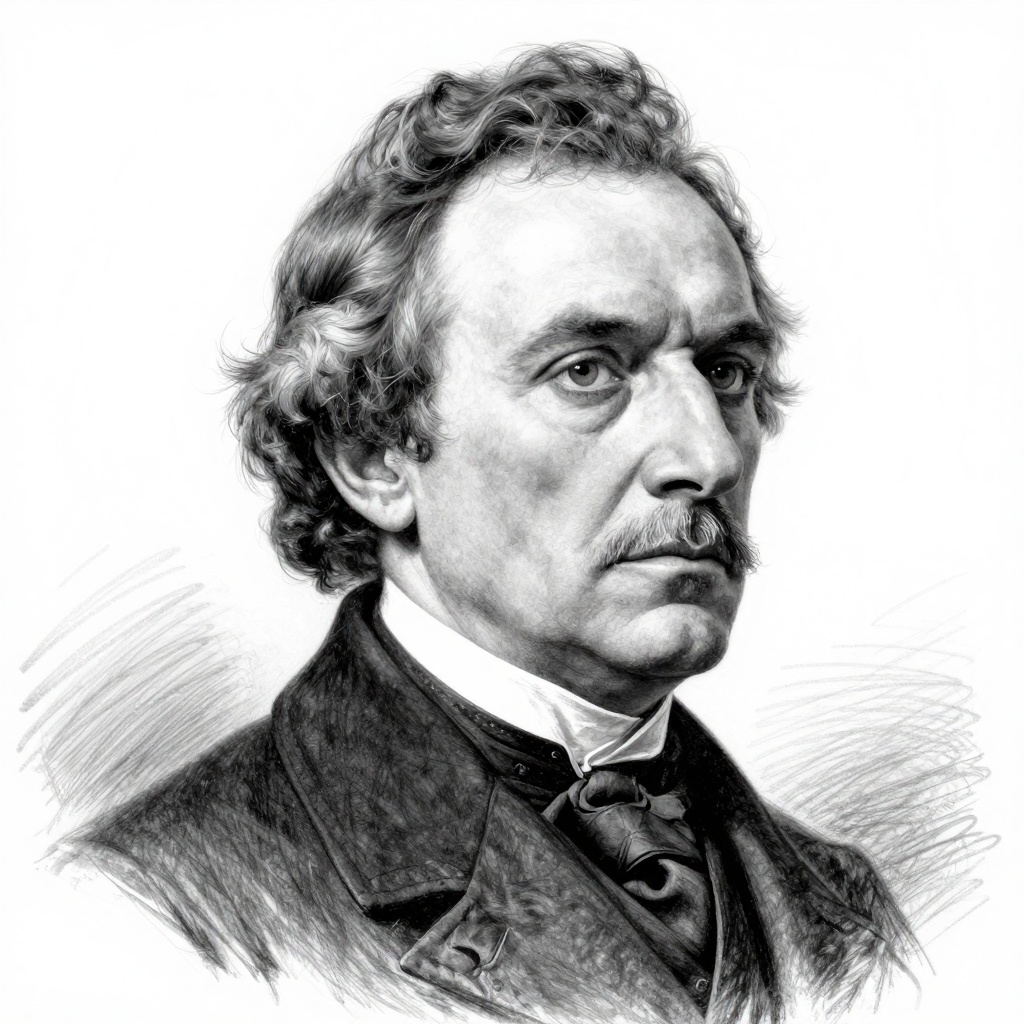
Comments