Quote · Added 25 March 2026
A lie doesn't become truth, wrong doesn't become right, and evil doesn't become good, just because it's accepted by a majority.
Filed undertruth·morality·acceptance
Quote · Added 25 March 2026
Filed undertruth·morality·acceptance
We live in an age where consensus feels like currency. If enough people believe something, share it, upvote it, it starts to feel true. But this quote cuts straight through that comfort: majority opinion is not a truth-making machine. You can have millions of people wrong at once, confidently, together. History is basically a highlight reel of this happening—slavery, segregation, flat earth, the list goes on. The unsettling part is recognizing it applies to things happening right now, beliefs you probably hold without even questioning them.
The real tension here isn't academic. It's personal. It means you can't outsource your judgment to what everyone thinks. It means standing apart from the crowd sometimes requires genuinely believing you're right, which is exhausting and lonely and occasionally embarrassing when you turn out to be wrong anyway. But it also means your conscience isn't optional, and you can't just follow the momentum. The majority gets things right often enough that going along feels safe—until it doesn't.
1856–1915·lived 59 years
Booker T. Washington was an influential African American educator, author, and advisor to multiple presidents. He is best known for being the principal leader of the Tuskegee Institute in Alabama and for his advocacy of vocational training as a means for African Americans to achieve economic independence and social equality.
Also by Booker T. Washington
I have learned that success is to be measured not so much by the position that one has rea...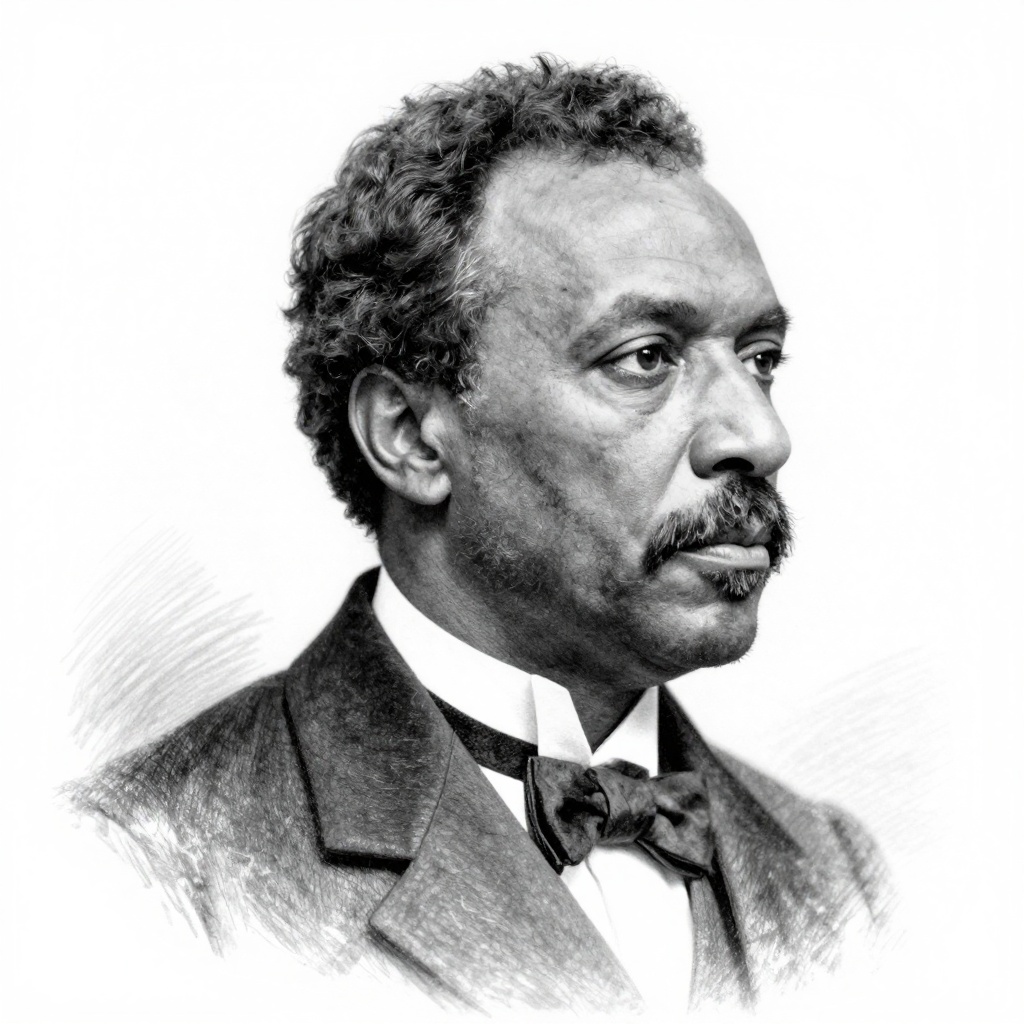
Comments