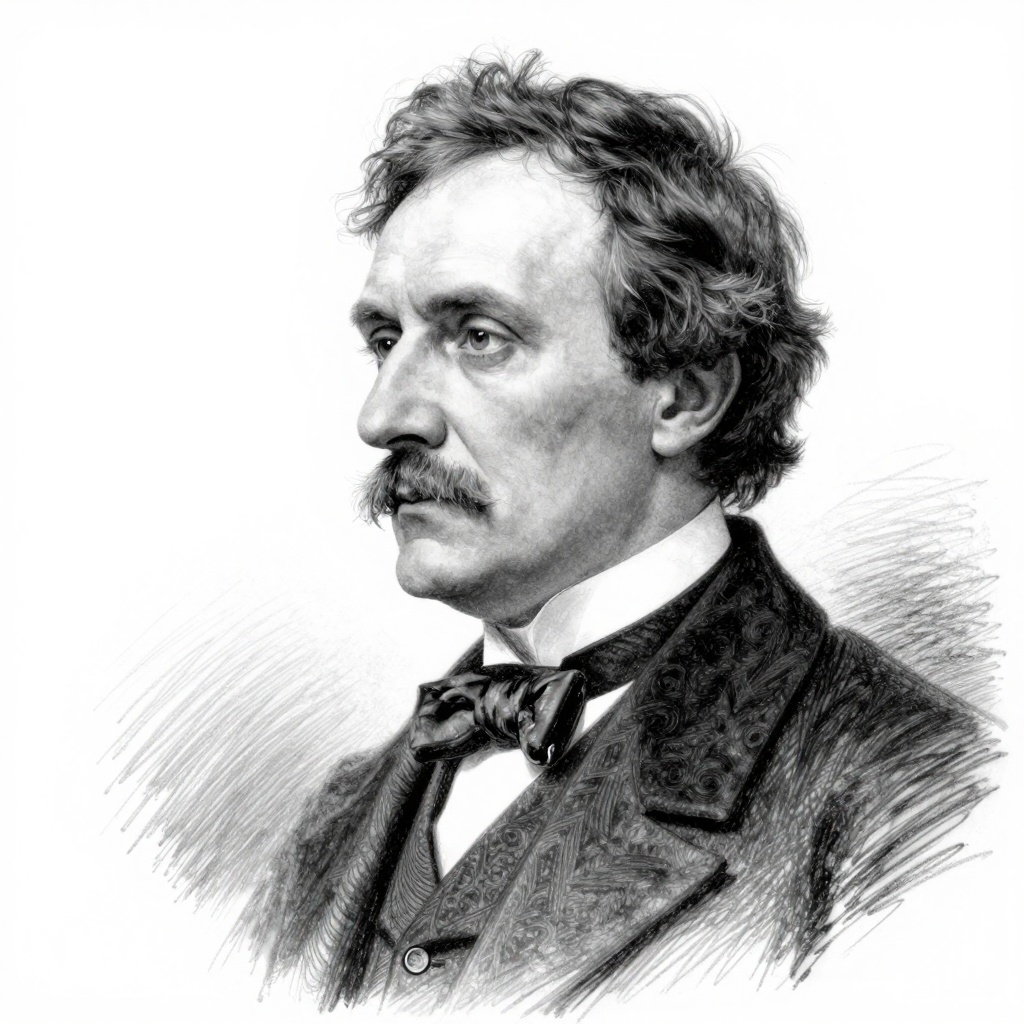
Like all great travellers, I have seen more than I remember, and remember more than I have seen. — Benjamin Disraeli

Like all great travellers, I have seen more than I remember, and remember more than I have seen.

Author: Benjamin Disraeli

Insight: There's something deeply honest about this. We tend to think of memory as a recording device—you see something, it gets filed away, you recall it later. But Disraeli is pointing at something messier and more interesting: that memory doesn't just preserve experience, it transforms it. What we remember is partly what happened, partly what we needed it to mean, and partly what other people told us about it. This explains why two people can travel to the same place and come home with completely different trips. One remembers the food, another the architecture, another the feeling of being lost. And then there's everything we saw but didn't really register—the thousands of ordinary moments that evaporated because they didn't fit the story we were telling ourselves. Meanwhile, the moments we do remember often get polished and reshaped over time, becoming almost more vivid than the original experience. It's oddly liberating. It means you don't have to feel guilty about forgetting details, and it means the experiences that stick with you probably stuck for a reason—they meant something. What we remember reveals what mattered to us, not what objectively happened. That's worth paying attention to.

Memory shapes experience more than experience shapes memory

Like all great travellers, I have seen more than I remember, and remember more than I have seen.

There's something deeply honest about this. We tend to think of memory as a recording device—you see something, it gets filed away, you recall it later. But Disraeli is pointing at something messier and more interesting: that memory doesn't just preserve experience, it transforms it. What we remember is partly what happened, partly what we needed it to mean, and partly what other people told us about it.

This explains why two people can travel to the same place and come home with completely different trips. One remembers the food, another the architecture, another the feeling of being lost. And then there's everything we saw but didn't really register—the thousands of ordinary moments that evaporated because they didn't fit the story we were telling ourselves. Meanwhile, the moments we do remember often get polished and reshaped over time, becoming almost more vivid than the original experience.

It's oddly liberating. It means you don't have to feel guilty about forgetting details, and it means the experiences that stick with you probably stuck for a reason—they meant something. What we remember reveals what mattered to us, not what objectively happened. That's worth paying attention to.

AI generated

Comments

Sign in to leave a comment or reply to one.

Sign in

Benjamin Disraeli

Benjamin Disraeli was a British statesman, author, and two-time Prime Minister of the United Kingdom in the 19th century. He is known for his political career, his leadership of the Conservative Party, and for his reform policies that aimed to improve social conditions and strengthen the British Empire.

Graph

Related