The knowledge of anything, since all things have causes, is not acquired or complete unless it is known by its... — Avicenna

The knowledge of anything, since all things have causes, is not acquired or complete unless it is known by its causes.

Author: Avicenna

Insight: We often want just the answer—the quick fix, the bottom line, the thing that works. But notice how hollow understanding feels when you only have that. You might know your relationship ended, but if you don't grasp what actually led to it, you're stuck replaying the same patterns. You know you procrastinate, but without understanding why—the fear, the perfectionism, the avoidance of something else—you're just blaming yourself without changing anything. This is why good doctors ask questions before prescribing, and why the best self-help advice eventually points you back to your own causes. Surface knowledge is brittle. Real understanding requires tracing backwards: not just what happened, but the chain of circumstances, choices, and conditions that made it inevitable. It's harder and slower than grabbing a conclusion, but it actually sticks. The practical insight here is almost counterintuitive: to move forward with anything—a problem, a habit, a relationship—you have to get curious about how you got here first. That investigation isn't a detour from solving something. It is the solving of it.
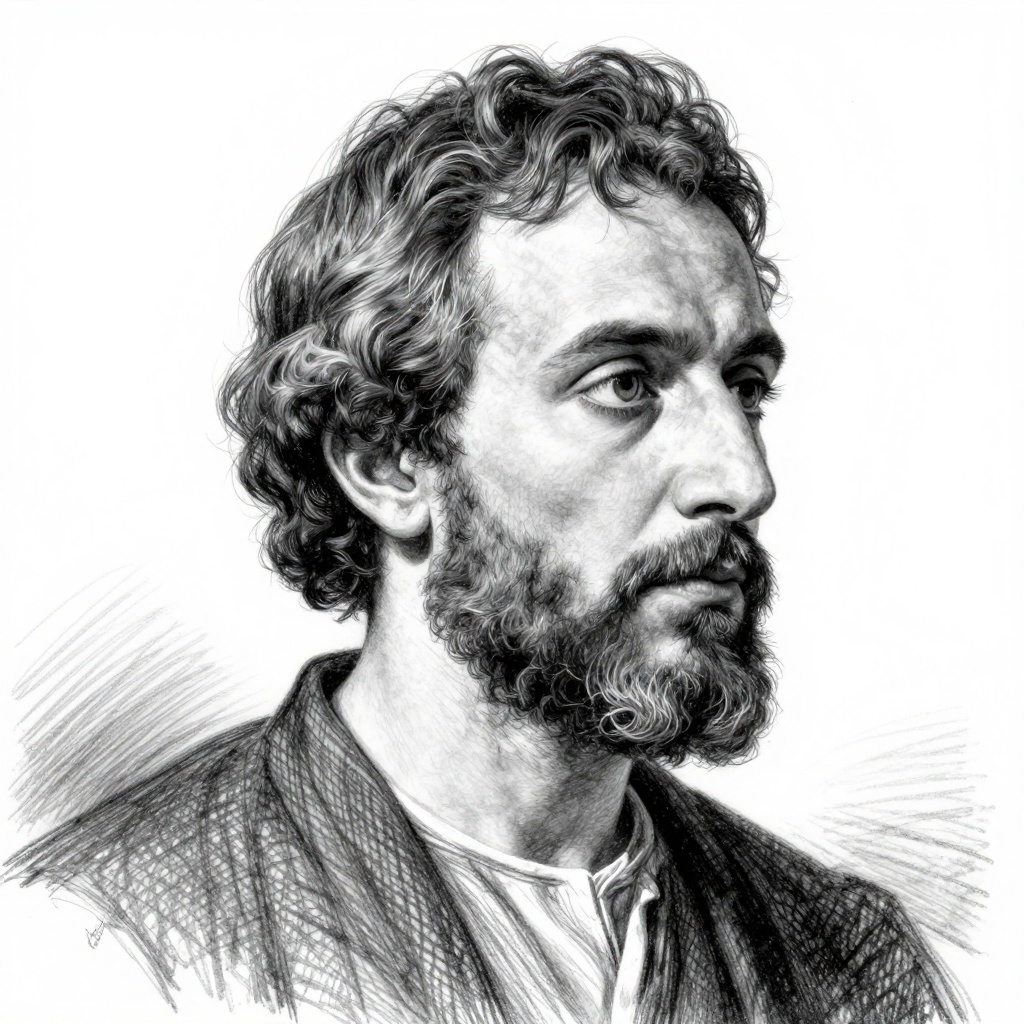
The real answer lives in your causes

The knowledge of anything, since all things have causes, is not acquired or complete unless it is known by its causes.

We often want just the answer—the quick fix, the bottom line, the thing that works. But notice how hollow understanding feels when you only have that. You might know your relationship ended, but if you don't grasp what actually led to it, you're stuck replaying the same patterns. You know you procrastinate, but without understanding why—the fear, the perfectionism, the avoidance of something else—you're just blaming yourself without changing anything.

This is why good doctors ask questions before prescribing, and why the best self-help advice eventually points you back to your own causes. Surface knowledge is brittle. Real understanding requires tracing backwards: not just what happened, but the chain of circumstances, choices, and conditions that made it inevitable. It's harder and slower than grabbing a conclusion, but it actually sticks.

The practical insight here is almost counterintuitive: to move forward with anything—a problem, a habit, a relationship—you have to get curious about how you got here first. That investigation isn't a detour from solving something. It is the solving of it.

AI generated

Comments

Sign in to leave a comment or reply to one.

Sign in

Avicenna

Avicenna, also known as Ibn Sina, was a Persian polymath who lived from 980 to 1037. He is best known for his contributions to philosophy and medicine, particularly his seminal work "The Canon of Medicine," which was a foundational text in both fields for centuries. Avicenna's innovative ideas laid the groundwork for modern medical practice and greatly influenced later Islamic scholars and European thinkers.

Graph

Related