Quote · Added 14 February 2026
Nothing is a waste of time if you use the experience wisely.
Filed underexperience·wisdom·time
Quote · Added 14 February 2026
Filed underexperience·wisdom·time
We usually think of wasted time as lost time—hours scrolled away on your phone, a conversation that went nowhere, a project that fell apart. But Rodin's point cuts differently. He's suggesting that almost any experience, even the frustrating or failed ones, contains something usable if you're willing to look for it. The conversation that fizzled taught you something about how people listen. The failed project showed you what not to do next time. Even pure boredom, if you pay attention to it, can clarify what actually matters to you.
The tricky part is the second half: using the experience wisely. That requires a shift in how we think about our time. Instead of judging moments as productive or wasted in real-time, we can ask ourselves later what we learned or noticed. A afternoon that felt like nothing at the moment might have been when an idea quietly formed, or when you realized you needed to change direction. This doesn't mean you should stop being intentional about how you spend your hours. It means even your detours and dead ends aren't automatically wasted—they become waste only if you move through them without curiosity, without extracting the small lesson hiding inside.
1840–1917·lived 77 years
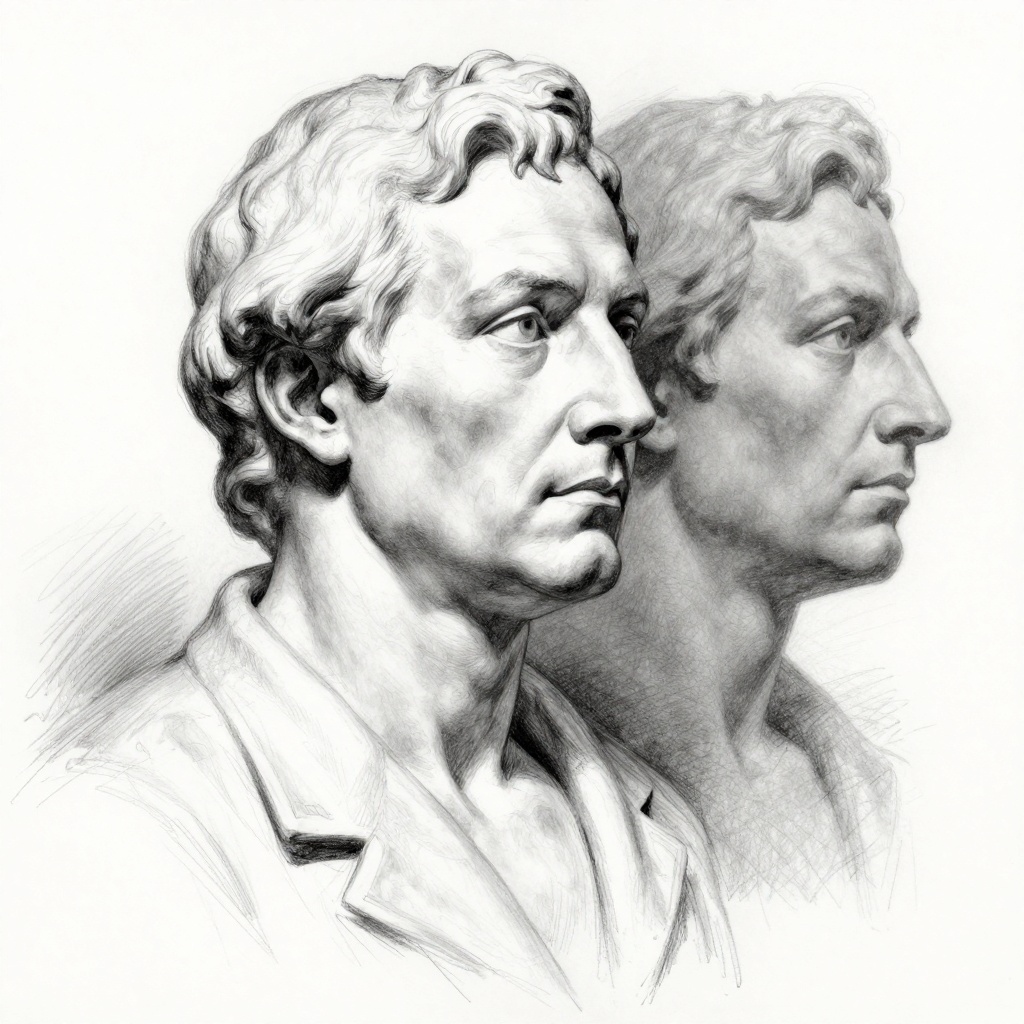
Auguste Rodin was a French sculptor born on November 12, 1840, in Paris. He is best known for his expressive and emotive sculptures, including "The Thinker" and "The Kiss," which helped to revolutionize the art of sculpture in the late 19th and early 20th centuries. Rodin's innovative approach to form and texture has solidified his legacy as one of the pioneers of modern sculpture.
Comments