Quote · Added 14 February 2026
The Son of God became man so that we might become God.
AthanasiusOn the Incarnation of the Word
Filed undergod·humanity·transformation
Quote · Added 14 February 2026
Filed undergod·humanity·transformation
This ancient Christian idea sounds almost backwards at first—why would divinity descend just so humanity could ascend? But it captures something people still wrestle with today: the gap between who we are and who we might become. Athanasius wasn't talking about literal godhood, but about transformation. He meant that if the divine could fully enter human existence, then human existence itself must be capable of something transcendent. It's the radical claim that we're not stuck as we are.
What makes this idea stick around isn't really theology—it's a recognition most of us feel. We sense we contain more than what we normally express. We catch glimpses of it in moments of genuine generosity, clarity, or courage, when we act outside our usual self-interest. Athanasius is saying that becoming our best self isn't just self-improvement rhetoric; it's participating in something larger than ourselves. The promise isn't escape from being human. It's that being human, fully and honestly, connects us to something transcendent. That's why monks, artists, and ordinary people through centuries have found this idea worth meditating on—it suggests transformation isn't fantasy. It's available.
d. 373
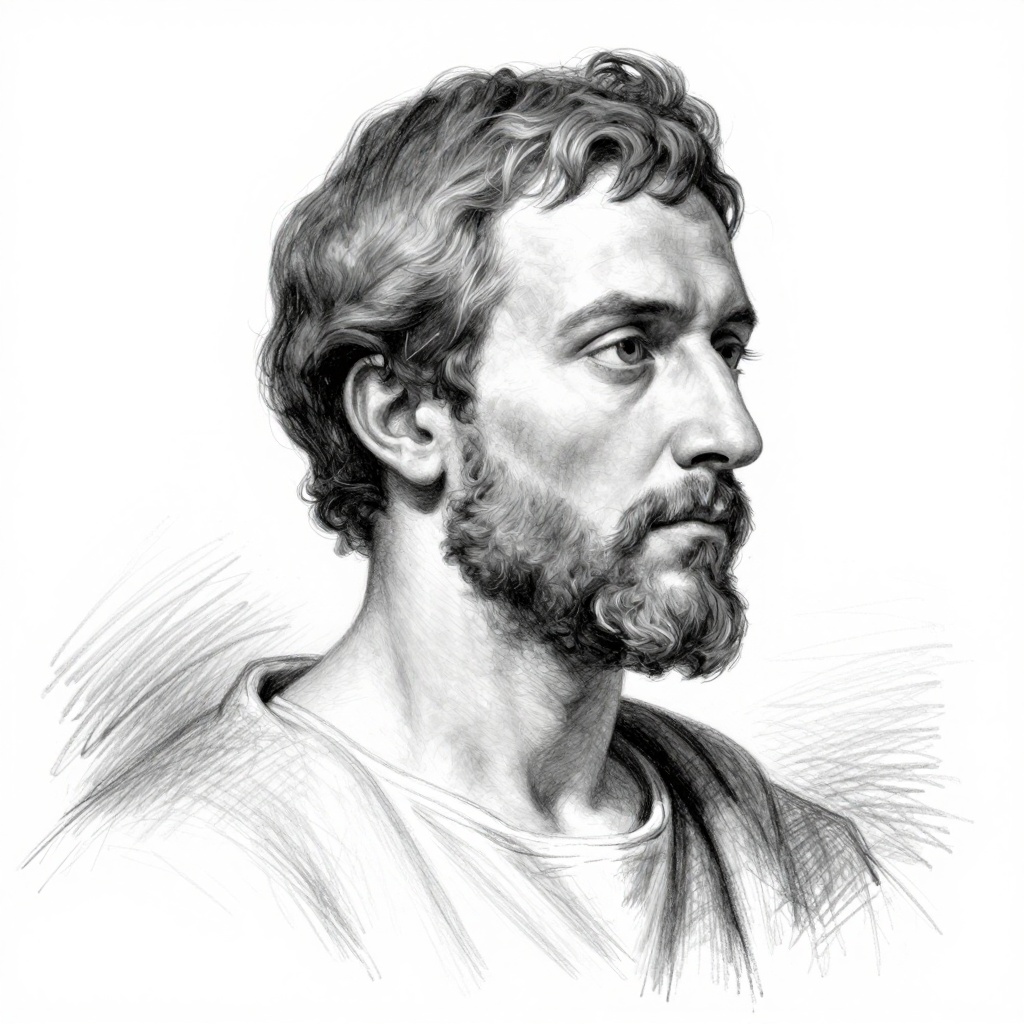
Athanasius (c. 296-373 AD) was a Christian theologian and bishop of Alexandria, known for his crucial role in the development of Christian doctrine, particularly regarding the nature of Christ and the Trinity. He was a staunch opponent of Arianism, which denied the full divinity of Jesus, and is best known for his work "On the Incarnation" and for being a key figure at the Council of Nicaea in 325 AD. Athanasius is recognized as a Doctor of the Church and is venerated as a saint in both Eastern and Western Christianity.
Comments