Quote · Added 1 May 2024
Explore
Reading
AI generatedThe constant dying we ignore
Most of us think of death as something waiting at the end, a final event we'll eventually face. But Schopenhauer was pointing at something we experience constantly and don't usually notice: every moment we're actually alive, we're also letting something go. Cells die and regenerate, old habits dissolve, friendships fade, versions of ourselves become outdated. We're not really going from living to dead—we're always doing both at once.
This matters because it completely reframes how we should feel about change and loss in ordinary life. That job you lost, the friend you drifted from, the person you no longer are—these aren't interruptions to a stable existence. They're the actual texture of being alive. Once you accept that dying is happening right now, not someday, you stop treating every ending like a catastrophe. You start seeing them as the price of growth, the necessary clearing away that lets something new move in.
The counterintuitive part is that this isn't bleak—it's almost liberating. If you're always changing anyway, you might as well choose what dies in you deliberately. You're not trying to preserve some fixed self against the ravages of time. You're already impermanent. So who do you want to become?
The author
All 23 quotes by Arthur Schopenhauer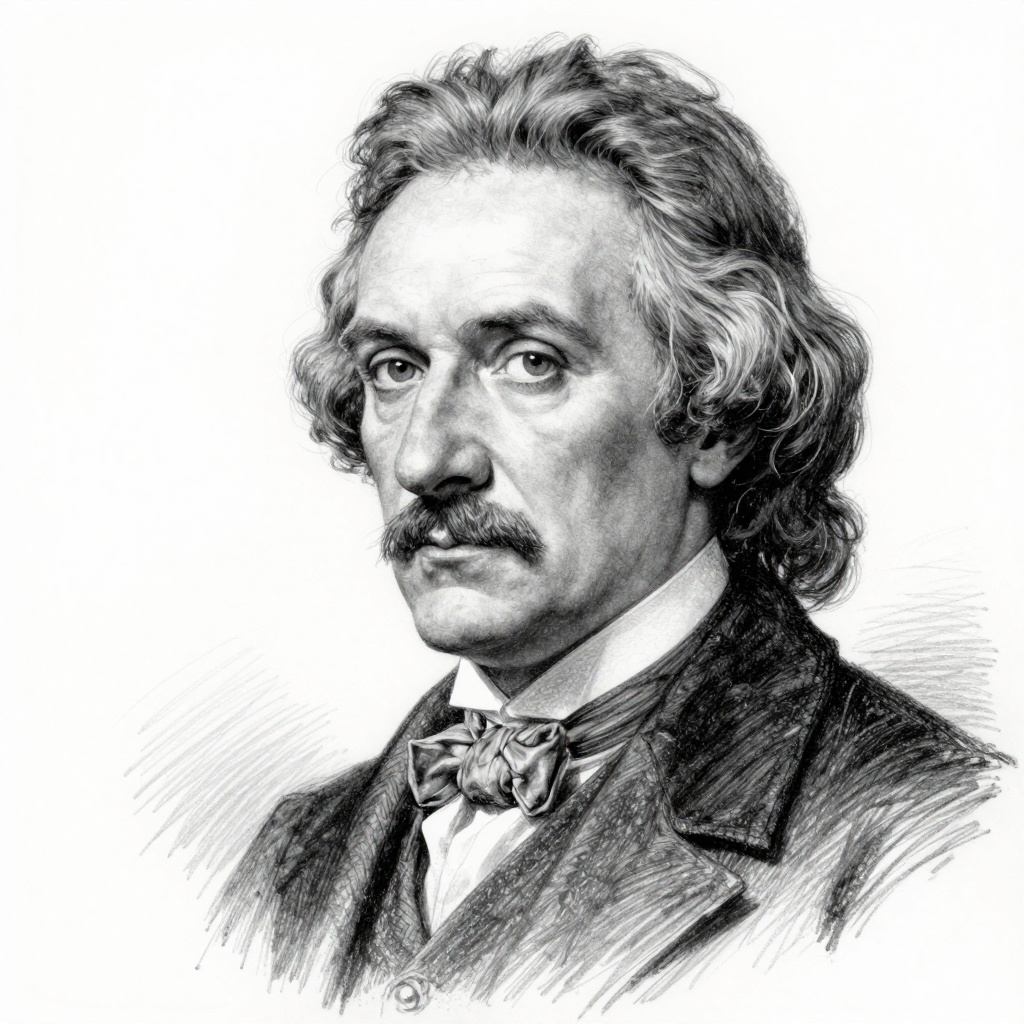
Arthur Schopenhauer
1788–1860·lived 72 years
Arthur Schopenhauer was a German philosopher known for his pessimistic philosophy that emphasized the inherent suffering of existence. He is renowned for his work "The World as Will and Representation," which had a significant influence on 19th-century philosophy and later existential thought.
Also by Arthur Schopenhauer
The shortness of life, so often lamented, may perhaps be the very best thing about it.
Comments