Quote · Added 14 February 2026
Honor means that a man is not exceptional; fame, that he is. Fame is something which must be won; honor, only something which must not be lost.
Arthur SchopenhauerEssays and Aphorisms, p. 112, 1970
Quote · Added 14 February 2026
We often confuse these two, which is why so many people burn themselves out chasing the wrong thing. Honor is the quiet baseline—it's what you keep by showing up consistently, keeping your word, treating people decently when no one's watching. Fame, by contrast, demands performance. It requires you to do something remarkable, to stand out, to accumulate public recognition. One is defensive; the other is aggressive.
Here's the twist: honor is actually harder to maintain than it sounds. It's easy to slip. You tell one small lie to impress someone. You cut corners on a project because no one will notice. You talk behind someone's back. Each time, you're not gaining anything—you're just eroding what you already had. Fame, weirdly, might be easier in that regard. You can recover from a failed attempt at being famous. But once you've damaged your honor, people remember.
The real insight is that honor creates the foundation that makes meaningful accomplishment possible. You can be famous without it, sure, but it tends to feel hollow and fragile. Most people worth knowing in the long run are the ones who prioritized not losing respect over winning attention. That's less glamorous, but it's what actually holds up over time.
1788–1860·lived 72 years
Arthur Schopenhauer was a German philosopher known for his pessimistic philosophy that emphasized the inherent suffering of existence. He is renowned for his work "The World as Will and Representation," which had a significant influence on 19th-century philosophy and later existential thought.
Also by Arthur Schopenhauer
The shortness of life, so often lamented, may perhaps be the very best thing about it.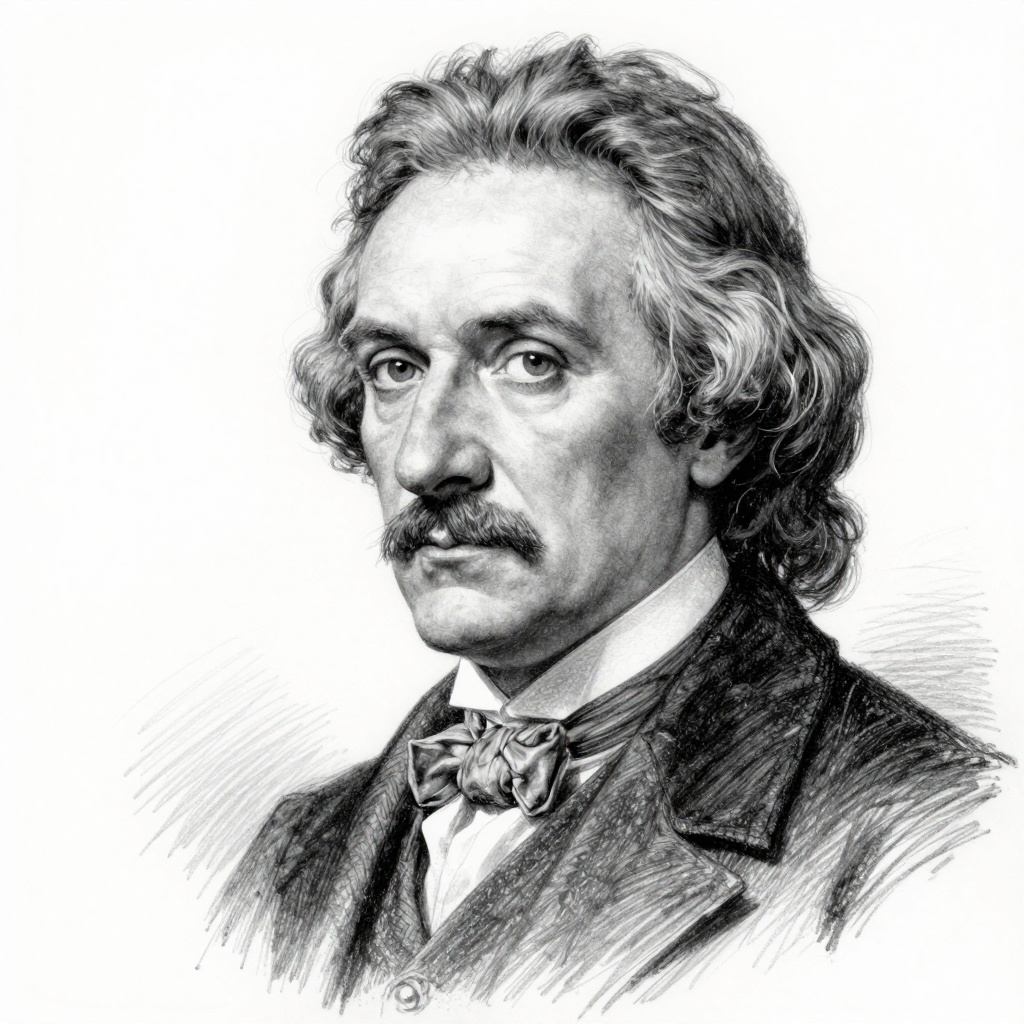
Comments