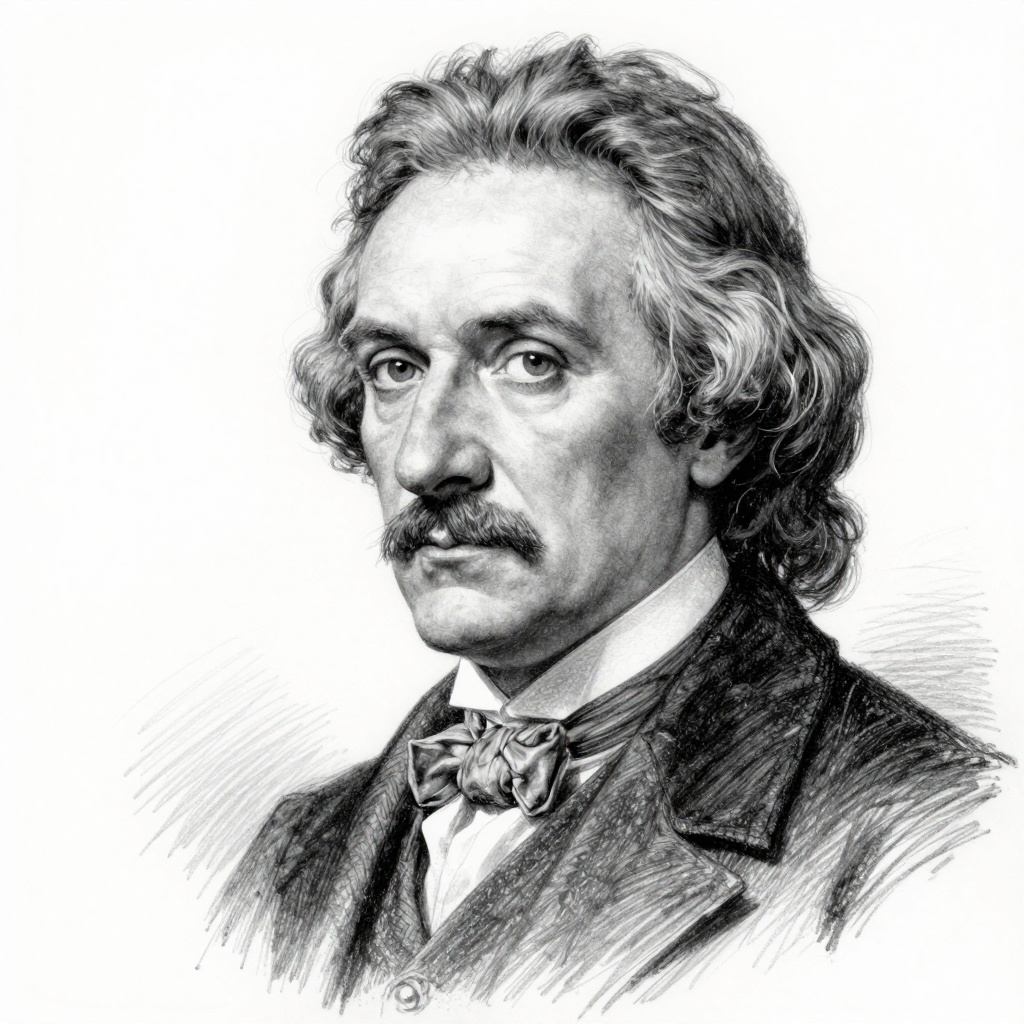
All truth passes through three stages. First, it is ridiculed. Second, it is violently opposed. Third, it is a... — Arthur Schopenhauer

All truth passes through three stages. First, it is ridiculed. Second, it is violently opposed. Third, it is accepted as being self-evident.

Author: Arthur Schopenhauer

Insight: We live in a world obsessed with being right immediately. But this quote captures something uncomfortable: most genuinely new truths don't arrive polished and obvious. They arrive weird, questioned, fought against. The shift from "That's absurd" to "Of course that's true" rarely happens overnight, and almost never without friction. Think about how many things we now treat as obviously true that previous generations genuinely ridiculed or opposed. Or look around right now at ideas that feel simultaneously radical to some people and self-evident to others. The gap between those two experiences is real, and it's often where progress actually lives. This quote is less about predicting the future and more about understanding why your reasonable-sounding idea might get harsh pushback, or why you might be dismissing something too quickly just because it sounds strange. The tricky part is recognizing which stage you're actually in. Not every ridiculous-sounding thing becomes self-evident truth. But this framework at least gives us permission to sit with uncomfortable ideas a little longer instead of dismissing them instantly. It's a reminder that the path to clarity often looks like chaos from the middle of it.

Source: Essays from the Parerga and Paralipomena, 1851

Why new ideas feel ridiculous first

All truth passes through three stages. First, it is ridiculed. Second, it is violently opposed. Third, it is accepted as being self-evident.

Arthur SchopenhauerEssays from the Parerga and Paralipomena, 1851

We live in a world obsessed with being right immediately. But this quote captures something uncomfortable: most genuinely new truths don't arrive polished and obvious. They arrive weird, questioned, fought against. The shift from "That's absurd" to "Of course that's true" rarely happens overnight, and almost never without friction.

Think about how many things we now treat as obviously true that previous generations genuinely ridiculed or opposed. Or look around right now at ideas that feel simultaneously radical to some people and self-evident to others. The gap between those two experiences is real, and it's often where progress actually lives. This quote is less about predicting the future and more about understanding why your reasonable-sounding idea might get harsh pushback, or why you might be dismissing something too quickly just because it sounds strange.

The tricky part is recognizing which stage you're actually in. Not every ridiculous-sounding thing becomes self-evident truth. But this framework at least gives us permission to sit with uncomfortable ideas a little longer instead of dismissing them instantly. It's a reminder that the path to clarity often looks like chaos from the middle of it.

AI generated

Comments

Sign in to leave a comment or reply to one.

Sign in

Arthur Schopenhauer

Arthur Schopenhauer was a German philosopher known for his pessimistic philosophy that emphasized the inherent suffering of existence. He is renowned for his work "The World as Will and Representation," which had a significant influence on 19th-century philosophy and later existential thought.

Graph

Related