Quote · Added 17 February 2026
Genius is the recovery of childhood at will.
Filed undergenius·childhood·creativity
Quote · Added 17 February 2026
Filed undergenius·childhood·creativity
We're taught to see childhood and adulthood as opposite directions—that growing up means losing wonder, spontaneity, and the ability to see the world fresh. But Rimbaud points at something stranger: that real creativity isn't about becoming more serious or specialized. It's about holding onto the ability to look at ordinary things without the weight of assumptions already deciding what they mean.
Think about how children ask questions that would never occur to an adult—not because kids are smarter, but because they haven't yet learned the shortcuts we all develop to move through life faster. A child sees a puddle and it's genuinely interesting. An adult sees a puddle and thinks only "don't step in it." The genius part isn't the childhood itself; it's the deliberate choice to recover that openness even after you've learned all the reasons to stop looking.
This matters now because we're drowning in efficient shortcuts. We scroll past things, categorize people in seconds, make decisions on autopilot. The recovery Rimbaud describes isn't nostalgia—it's a skill you have to practice, a choice to slow down and actually see what's in front of you. That willingness to be a little naive again, to ask dumb questions, to approach problems like you've never seen them before—that's where actual breakthroughs live.
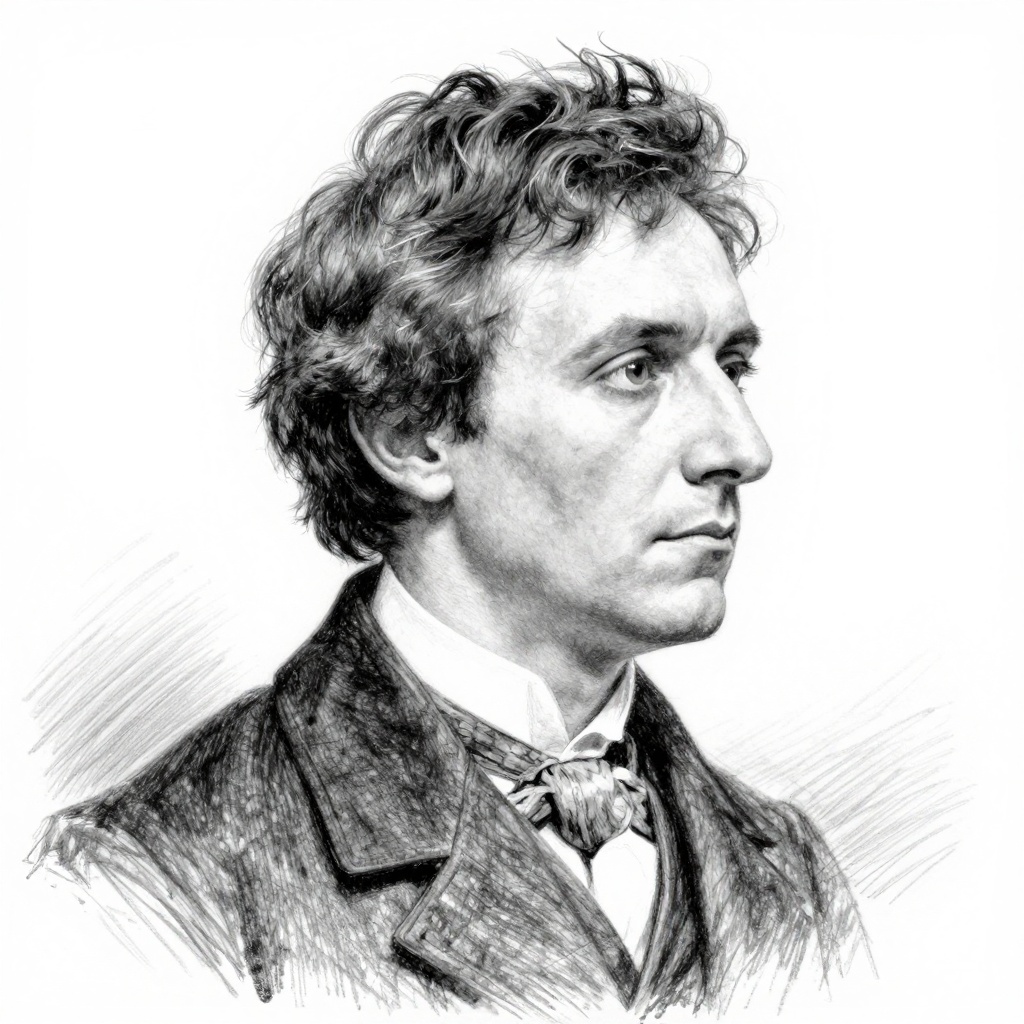
1854–1891·lived 37 years
Arthur Rimbaud was a French poet born on October 20, 1854, in Charleville, France. Known for his innovative and influential works, he played a crucial role in the Symbolist movement and is celebrated for his poems such as "A Season in Hell" and "Illuminations." Rimbaud's unique style and radical departure from traditional forms have made him a key figure in modern literature, despite abandoning poetry by the age of 21.
Comments