Quote · Added 14 February 2026
The greatest luxury of riches is that they enable you to escape so much good advice.
Arthur HelpsBrevia: Short Essays and Aphorisms, 1871
Quote · Added 14 February 2026
We tend to think of wealth as buying comfort or status, but there's something subtly darker here: money lets you avoid listening to people. When you have resources, you don't need your friend's warning about overspending, your family's concern about a risky decision, or a mentor's hard feedback about your work. You can just do the thing anyway and absorb the cost. Poorer people, by necessity, have to think carefully about advice—they're forced to weigh it seriously because mistakes hurt more.
The irony is that this escape route is often a trap. The advice we most need to hear is usually the advice we least want to follow. It contradicts what we already want to do. Money has a way of amplifying this instinct—instead of wrestling with uncomfortable truths, we can simply outrun them. We hire people who tell us what we want to hear. We avoid the conversations that might actually change us.
This matters today because wealth has become easier to access than wisdom. You can be rich in money but destitute in honest feedback, surrounded by people benefiting from your choices rather than challenging them. Sometimes the greatest luxury isn't what money can buy, but the humility to stay poor enough in pride that you still listen.
1813–1875·lived 62 years
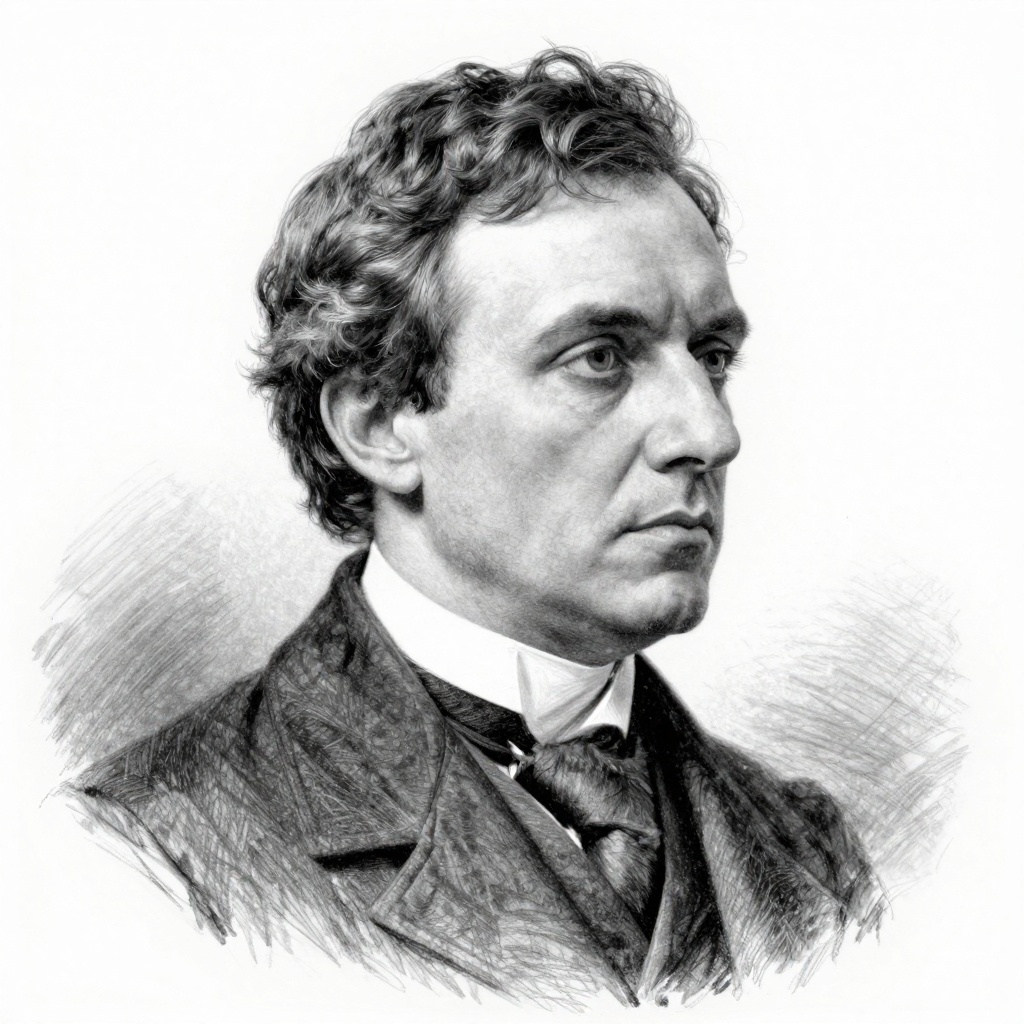
Arthur Helps was a British writer and historian born on March 10, 1813. He is best known for his works on English history, including "Friends in Council," and his role as a secretary to the great Victorian statesman Lord Palmerston. Helps was also recognized for his contributions to the study of social and political issues of his time.
Comments