Quote · Added 14 February 2026
In a balanced organization, working towards a common objective, there is success.
Arthur HelpsThoughts in the Cloister and the Crowd, 1883
Filed undersuccess·organization·teamwork
Quote · Added 14 February 2026
Filed undersuccess·organization·teamwork
Most of us have experienced that rare moment when a group actually clicks. Everyone knows what they're working toward, nobody's fighting for control, and tasks get done almost effortlessly. Then we return to normal life—teams where half the people aren't sure what they're supposed to be doing, where meetings spiral into turf wars, or where everyone's technically on the same side but pulling in different directions.
The real insight here isn't that unity matters. It's that balance is what makes unity possible. An organization can have perfect alignment on goals but still fail if one person dominates, or if resources go to the wrong places, or if some voices get heard while others don't. Balance means everyone has enough clarity, enough autonomy, enough stake in the outcome to actually care. It's the difference between people who comply because they have to and people who contribute because they want to.
What makes this idea still so relevant is that we're worse at balance than ever. Remote work, competing platforms, email overload—it all fragments attention and creates imbalance by default. You have to be intentional about it now. The organizations that succeed aren't the ones with the smartest people. They're the ones that figured out how to align those people without breaking them in the process.
1813–1875·lived 62 years
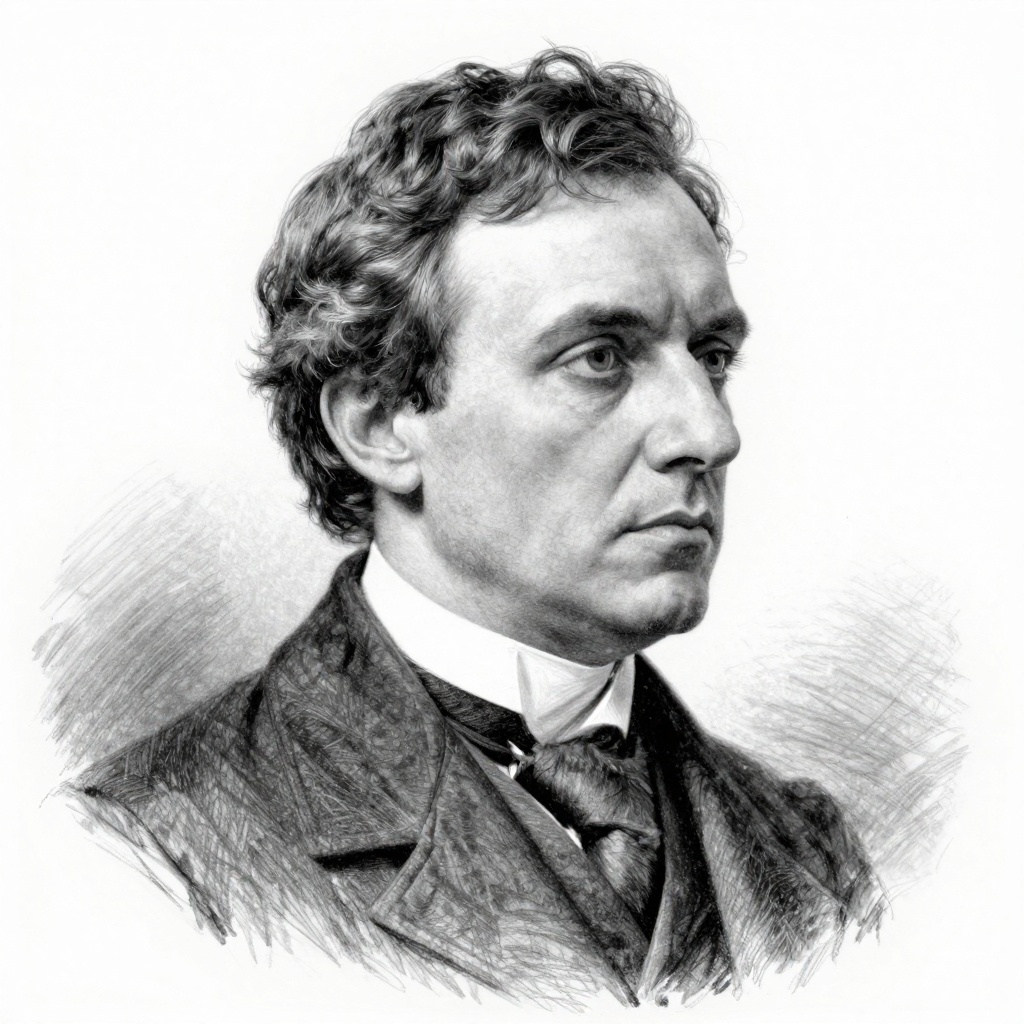
Arthur Helps was a British writer and historian born on March 10, 1813. He is best known for his works on English history, including "Friends in Council," and his role as a secretary to the great Victorian statesman Lord Palmerston. Helps was also recognized for his contributions to the study of social and political issues of his time.
Comments