Quote · Added 19 February 2026
Reading
AI generatedThe approaching chariot changes everything
There's something both terrifying and clarifying about that image—time as something with wings, always approaching from behind, getting closer whether we pay attention or not. Most of us feel this pressure occasionally: the 3 AM panic that we haven't done enough yet, the quiet dread when we realize another year has passed in a blur, the way good moments seem to vanish the instant we notice them.
What makes Marvell's line stick isn't just the anxiety though. It's that he names what we usually avoid naming. Once you acknowledge that time genuinely is rushing past—not as melodrama but as fact—something actually changes. The pressure becomes useful. You stop doing things you don't care about partly out of habit or obligation. You text that friend back today instead of next month. You admit what you actually want instead of performing what you think you should want.
The real insight isn't to panic about mortality. It's that recognizing time's constant motion is permission to stop treating your life like a rehearsal for something that starts later. That chariot is going to pass either way. The question isn't how to outrun it, but what you want to do while it's still approaching.
The author
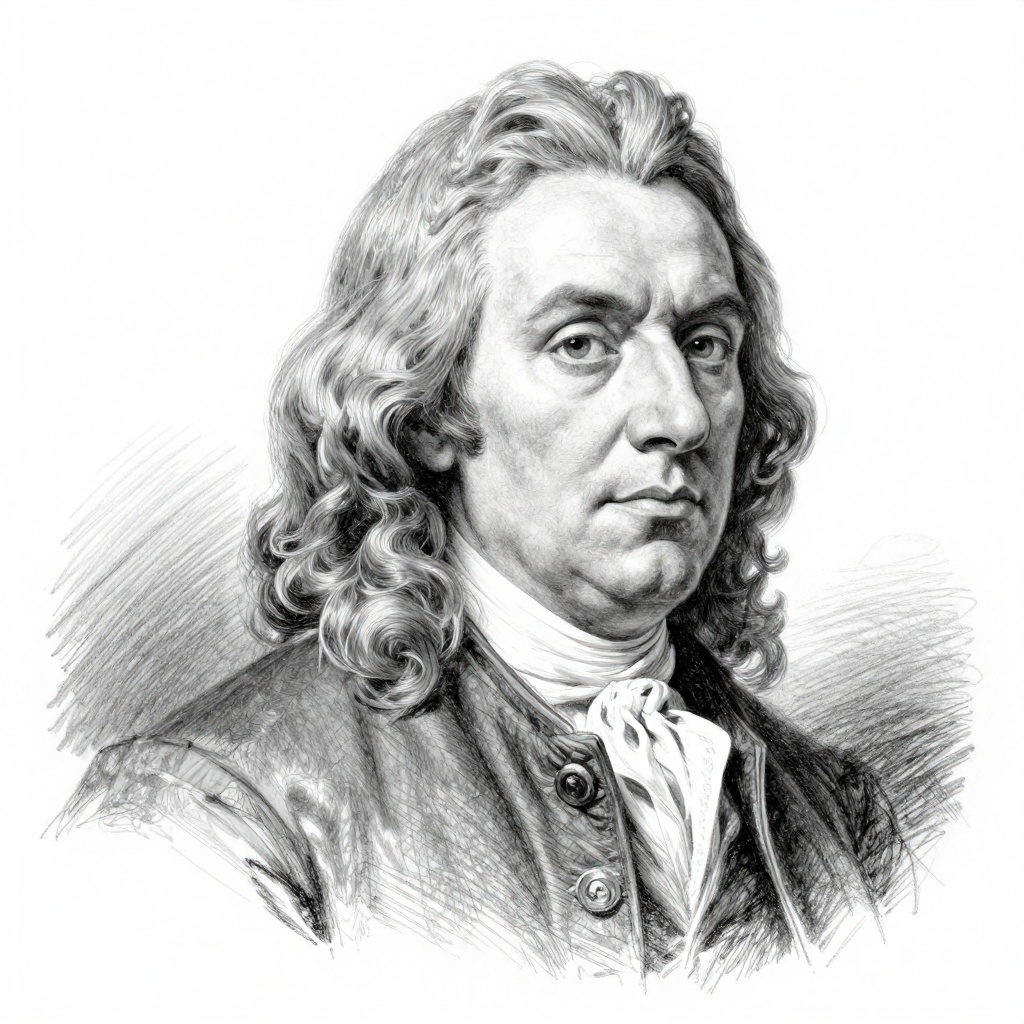
Andrew Marvell
1621–1678·lived 57 years
Andrew Marvell was a 17th-century English poet and politician, widely regarded for his lyrical poetry and satirical works. He is best known for poems such as "To His Coy Mistress," which explores themes of love and time, and he served as a Member of Parliament for a significant part of his life. Marvell's writing is notable for its wit, metaphysical elements, and political commentary during the turbulent times of the English Civil War.
Comments