Quote · Added 14 February 2026
Money is power, and in that government which pays all the public officers of the states will all political power be substantially concentrated.
Filed undermoney·power·government
Quote · Added 14 February 2026
Filed undermoney·power·government
We've all felt it in smaller ways: whoever controls the budget controls the agenda. A workplace where the boss holds the purse strings has a very different power dynamic than one where teams manage their own resources. Jackson's point about money and government works the same way, just at a bigger scale.
What's tricky about this observation is how invisible it becomes. You can write all the laws and constitutional limits you want, but if one level of government funds another, the funder quietly calls the shots. It's not always dramatic or obvious—it happens through which programs get money, which don't, what strings come attached to grants. States that depend on federal funding face real pressure to fall in line, even when locals have different ideas about what they need.
The non-obvious part? This doesn't just apply to government. It applies to any organization where power is unevenly distributed. Universities that depend on corporate donations shift their research priorities. Nonprofits that rely on a few major donors become cautious about alienating them. Following the money doesn't just answer the question of who's making decisions—it answers the deeper question of who actually has real leverage, regardless of what the org chart says.
1767–1845·lived 78 years
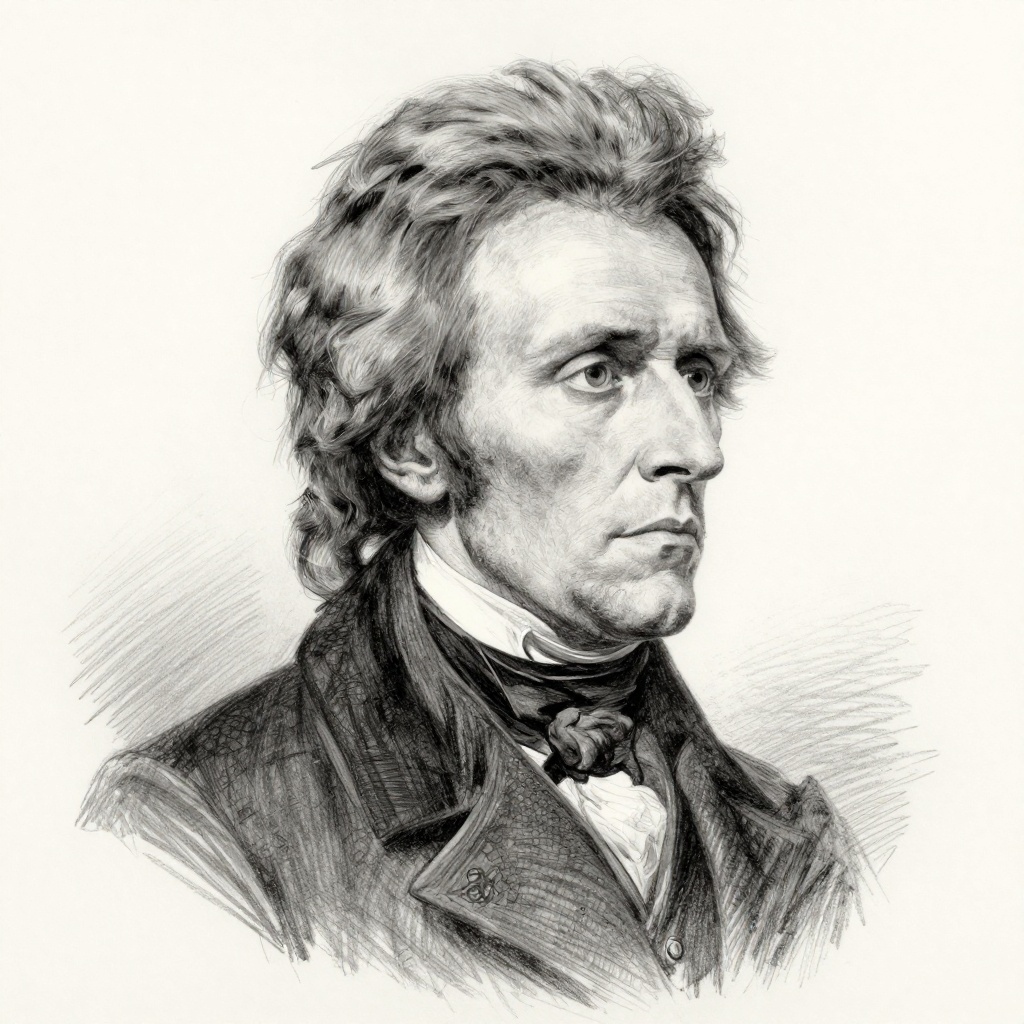
Andrew Jackson was the seventh President of the United States, serving from 1829 to 1837. Known for his populist policies and strong executive leadership, he is often celebrated for his role in shaping the Democratic Party and implementing the spoils system. Jackson's presidency is also marked by the controversial Indian Removal Act, which led to the forced relocation of Native American tribes in the Southeast.
Comments