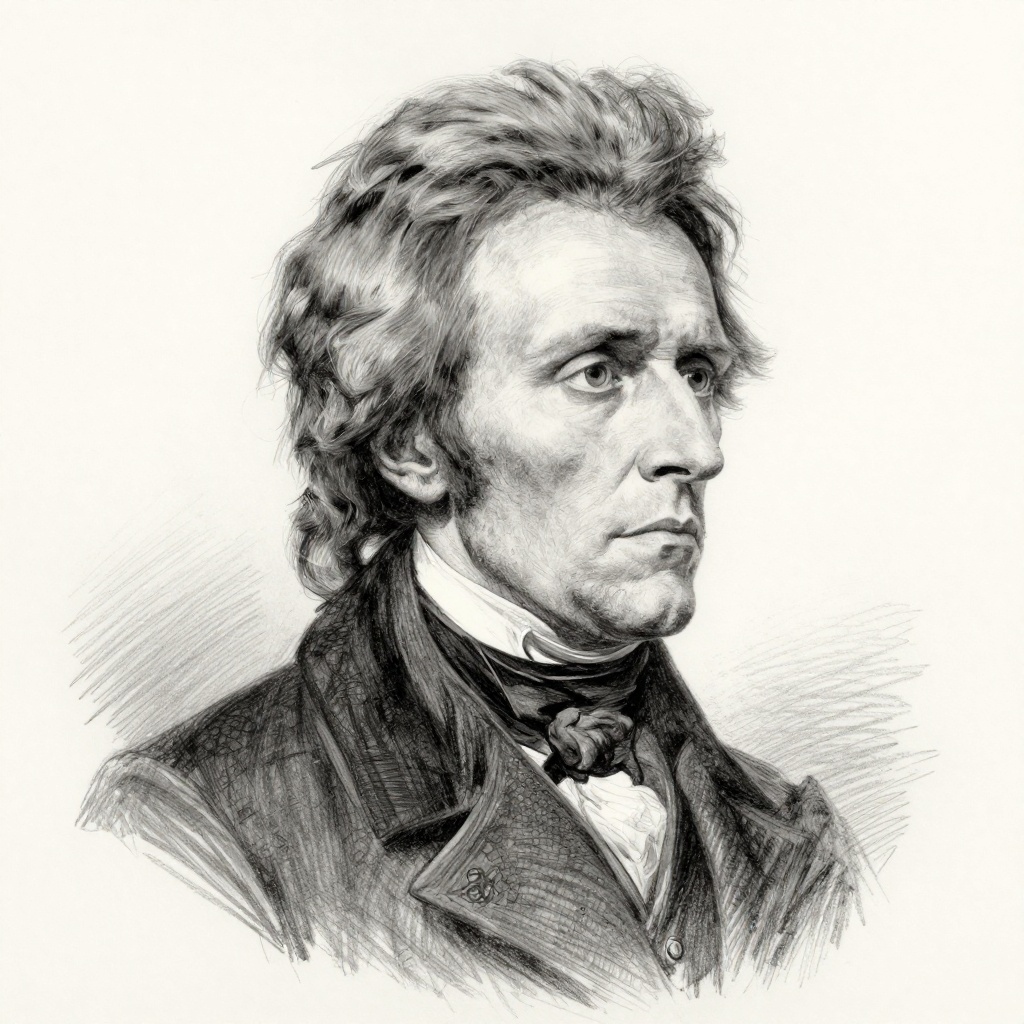
Every good citizen makes his country's honor his own, and cherishes it not only as precious but as sacred. He... — Andrew Jackson
Every good citizen makes his country's honor his own, and cherishes it not only as precious but as sacred. He is willing to risk his life in its defense and is conscious that he gains protection while he gives it.
Author: Andrew Jackson
Insight: There's something deeper than patriotism buried in this idea: it's about how we live within communities we didn't choose but actually need. Jackson is pointing at a real bargain that most people intuitively understand—you get safety and belonging because others before you fought for it, and someday you might need to do the same. It's not about blind flag-waving; it's about recognizing that your dignity is tied up with everyone else's, whether you like them or not. The tricky part is that this cuts both ways in modern life. Yes, people volunteer as firefighters and serve in the military with this exact mindset. But it also applies to everyday citizens who refuse to cheat on taxes, speak up against injustice, or defend institutions they believe in—even when nobody's watching. They're living this principle of shared honor, understanding that a country is only as trustworthy as its people choose to make it. The non-obvious angle: this isn't really about sacrifice being noble. It's about self-interest and collective good being the same thing. You protect your country's honor because a country that loses its integrity won't protect you back. It's not martyrdom—it's enlightened self-preservation.