Quote · Added 14 February 2026
No man will make a great leader who wants to do it all himself or get all the credit for doing it.
Andrew CarnegieInterview, St. Louis Globe-Democrat, 1899
Filed underleadership·teamwork·humility
Quote · Added 14 February 2026
Filed underleadership·teamwork·humility
Most of us have worked for someone who couldn't delegate—the boss who rewrites every email, second-guesses every decision, hoards the visible wins. It feels suffocating. What Carnegie understood is that this impulse actually reveals deep insecurity, not strength. A leader who needs to do everything themselves hasn't built anything that works without them. They're not leading; they're just working harder than everyone else.
The counterintuitive part? Letting go of credit is actually the fastest path to real influence. When you make space for others to own their work and take the win, something shifts. People start thinking for themselves. They take risks. They develop into people who could do your job someday—which means you're actually indispensable to the organization's future, not just today's chaos. The leader who vanishes for a month and everything runs smoothly? That's real power.
This matters now more than ever because burnout culture celebrates the grinder who does it all. But sustainable impact requires building something bigger than yourself. It requires trusting people, stepping back enough to let them shine, and measuring success by what happens without you in the room.
1835–1919·lived 83 years
Andrew Carnegie was a Scottish-American industrialist and philanthropist. He is known for being one of the wealthiest individuals in history due to his leadership in the expansion of the steel industry in the late 19th century and for his significant philanthropic contributions, establishing libraries, schools, and universities throughout the United States.
Also by Andrew Carnegie
Do your duty and a little more, and the future will take care of itself.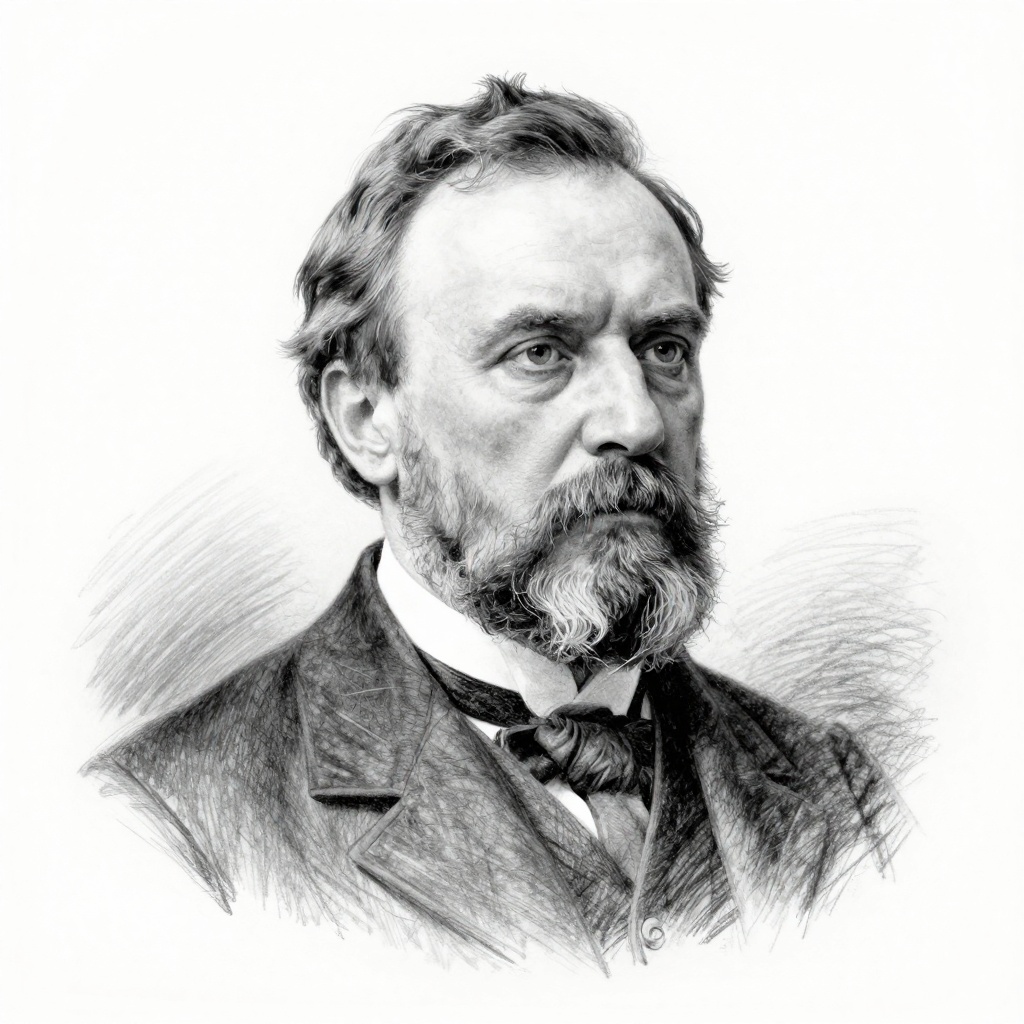
Comments