Quote · Added 14 February 2026
We climb to heaven most often on the ruins of our cherished plans, finding our failures were successes.
Amos Bronson AlcottTable-talk, 1877
Quote · Added 14 February 2026
There's something almost uncomfortable about this idea at first—the suggestion that our biggest disappointments might actually be pointing us somewhere better. We don't want to believe it when we're in the thick of it. A job falls through, a relationship ends, a dream project collapses, and the last thing we feel is like we're climbing toward anything. Yet if you look back far enough, you'll often notice that the detours forced upon you led somewhere you wouldn't have chosen consciously but wouldn't trade now.
The real insight here isn't that failure magically transforms into success. It's that we're often terrible judges of what we actually need. We hold tight to specific outcomes—this job, this person, this timeline—convinced they're essential. But sometimes what looked like a dead end was actually a closed door that freed you to try something riskier, truer, or more aligned with who you actually are. The failure didn't become a success because you reframed it positively. It became one because it broke the grip of a plan that was never the only path available.
The trick is staying curious about your ruins instead of just bitter about them. Not every failure leads upward, but the ones that do usually share this quality: they forced you to let go of something you thought defined you.
1799–1888·lived 88 years
Amos Bronson Alcott (1799–1888) was an American educator, writer, and philosopher, known for his progressive ideas in education and his role in the Transcendentalist movement. He founded the Temple School in Boston and was a prominent advocate for educational reform and social justice.
Also by Amos Bronson Alcott
While one finds company in himself and his pursuits, he cannot feel old, no matter what hi...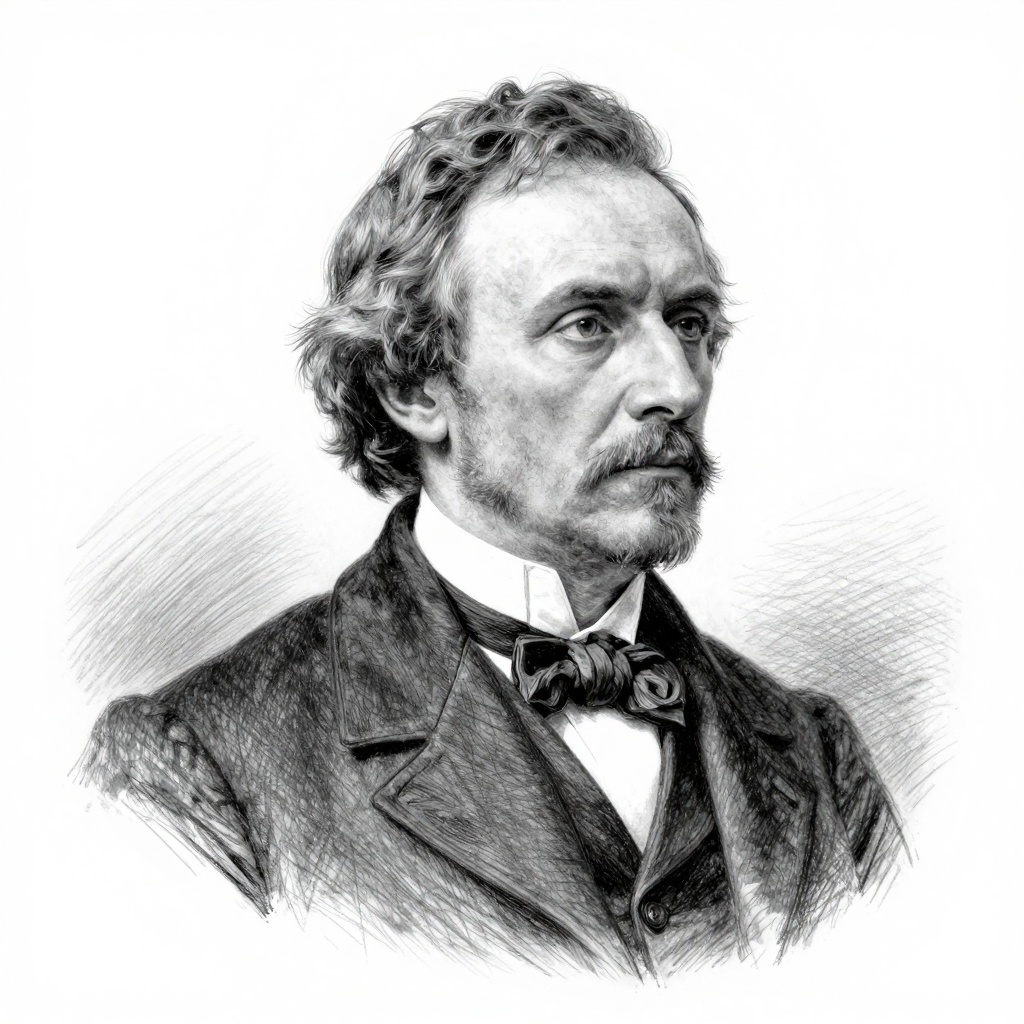
Comments