Quote · Added 14 February 2026
The more things change, the more they are the same.
Alphonse KarrLes Guêpes, January 1849
Filed underchange·continuity·perception
Quote · Added 14 February 2026
Filed underchange·continuity·perception
We live in an age of constant transformation. New apps, new scandals, new crises seem to arrive daily, each one demanding our urgent attention as though nothing quite like it has happened before. Yet if you step back far enough, you notice something unsettling: the fundamental patterns repeat. The technology changes, but our anxiety about missing out doesn't. The specific names and faces change, but workplace politics—the jockeying for credit, the fear of being sidelined—feel almost identical to what people experienced decades ago.
This isn't cynicism so much as a clarifying observation. Recognizing that human nature doesn't shift as rapidly as our circumstances do can be oddly liberating. It means you don't have to reinvent yourself every time the world lurches forward. The same advice your grandmother gave about patience, kindness, or knowing when to walk away from something toxic still holds because it addresses something permanent in us, not something temporary in the moment.
The real usefulness here is permission to trust older wisdom alongside newer answers. When everything feels unprecedented and urgent, remembering that people have always struggled with envy, ambition, love, and loss gives you a steadier ground to stand on. The noise changes constantly, but the music underneath remains eerily familiar.
1808–1890·lived 81 years
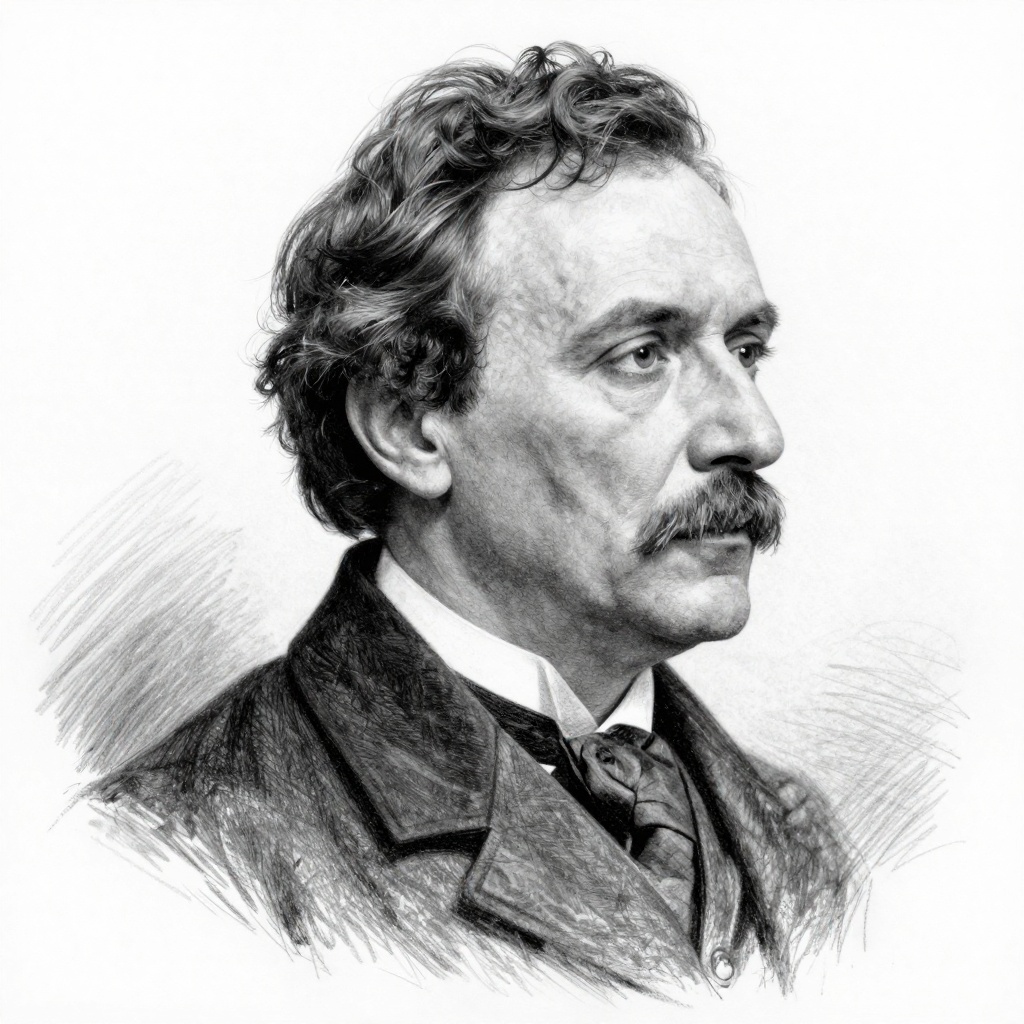
Alphonse Karr was a French novelist, journalist, and critic born on February 24, 1808, in Ales, France. He is best known for his satirical writings and his role as an influential literary figure in the 19th century, particularly through his humorous observations in his newspaper, "Le Figaro," and his novels like "Les Guêpes." Karr's works often reflect his wit and commentary on society, politics, and culture of his time.
Comments