Quote · Added 28 February 2026
The clock is running. Make the most of today. Time waits for no man. Yesterday is history. Tomorrow is a mystery. Today is a gift. That's why it is called the present.
Filed undertime·urgency·mindfulness
Quote · Added 28 February 2026
Filed undertime·urgency·mindfulness
We hear this kind of thing so often that it can feel like a greeting card cliché. But there's something worth sitting with here, especially when you're stuck in that familiar trap of mentally living somewhere other than right now. You're at lunch thinking about an email you need to send. You're with your kids while half-planning next week. You're on vacation already worried about Monday.
The tricky part isn't understanding that time matters or that today exists. It's that your brain genuinely works against you. It's wired to problem-solve future scenarios and replay past ones, and that's usually useful. But useful isn't the same as where you actually want your attention to be. The present moment is the only one where anything real actually happens—where you taste food, have a real conversation, notice what matters. Everything else is a story you're telling yourself.
The real insight here isn't that you should quit planning or become reckless. It's that there's a difference between thinking about tomorrow and living there. You can prepare for the future while still being genuinely present to today. That small shift—from mentally checking out to actually showing up—tends to change what you remember later and sometimes, unexpectedly, what you're actually capable of.
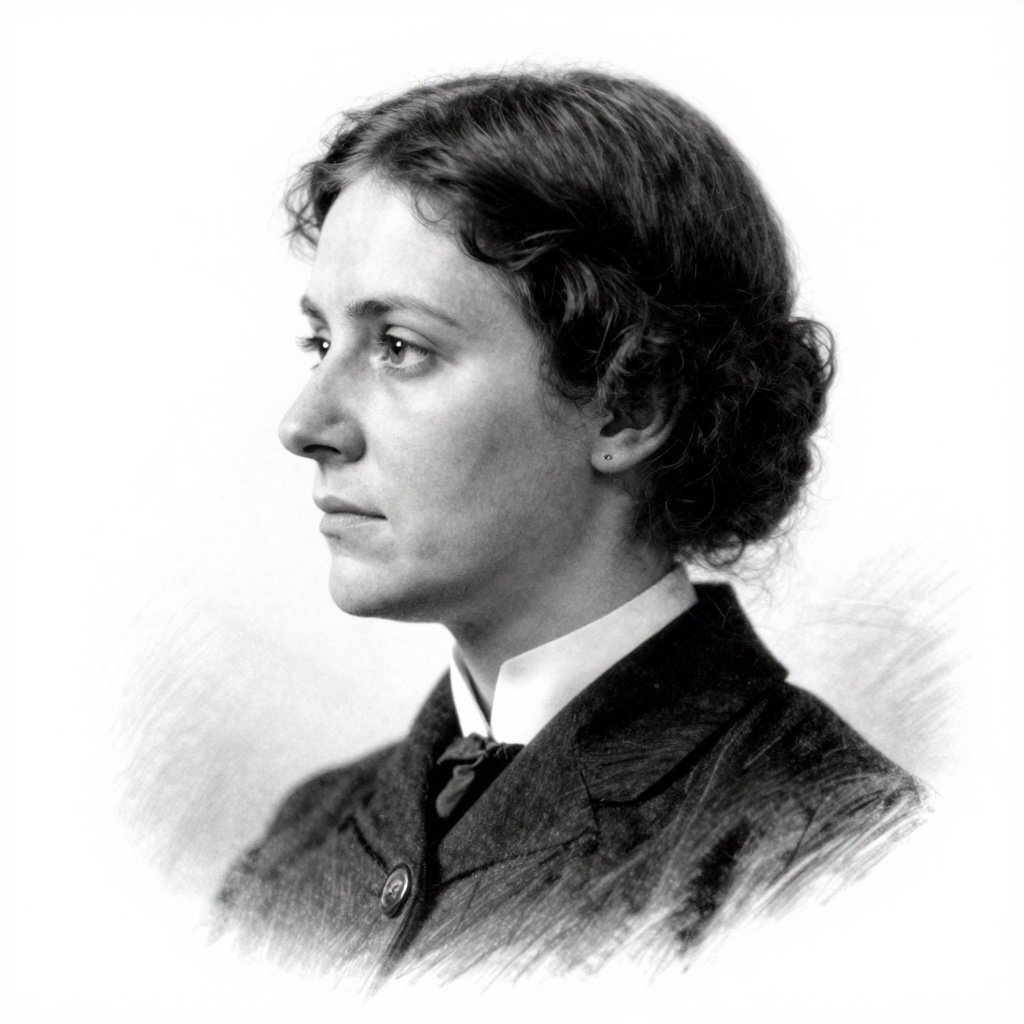
1851–1911·lived 59 years
Alice Morse Earle was an American historian, author, and antiquarian born on April 27, 1851, in New Bedford, Massachusetts. She is best known for her writings on early American social history and material culture, particularly her influential books such as "Home Life in Colonial Days" and "The Sabbath in New England." Earle's work emphasized the everyday lives and customs of people in early America, contributing significantly to the field of cultural history.
Comments