Quote · Added 1 October 2023
Better to have loved and lost, than to have never loved at all.
Alfred Lord TennysonIn Memoriam A.H.H., Stanza 27, 1850
Filed underlove·loss·experience
Quote · Added 1 October 2023
Filed underlove·loss·experience
We all know the safe play: keep your heart protected, avoid the mess of caring too much, minimize the damage. And it makes sense on paper. But Tennyson's line cuts through that logic in a way that rings true the moment you actually experience it. Having loved someone—really loved them—changes you in ways that last long after they're gone. You've felt what it means to matter to another person. You've expanded.
The tricky part is that this isn't really about romance at all. It applies to friendships that fade, relatives we lose, even relationships that just peter out. The sting of missing someone proves you were alive with them. Compare that to never risking it: you stay intact, sure, but you also stay smaller. You get to keep all your potential untouched, which sounds good until you realize potential is just another word for unlived.
What makes this quote endure isn't that it makes loss feel good—it doesn't. It's that it validates an uncomfortable choice we actually have to make: Do you want a safe life or a full one? Most of us, even when we're hurting, know which we'd pick. The question is whether we have the courage to keep choosing it.
1809–1892·lived 83 years
Alfred Lord Tennyson (1809–1892) was a celebrated English poet known for his works such as "The Charge of the Light Brigade" and "In Memoriam A.H.H." He served as Poet Laureate of the United Kingdom during much of Queen Victoria's reign, and his writing often explored themes of nature, love, and loss.
Also by Alfred Lord Tennyson
Tis better to have loved and lost than never to have loved at all.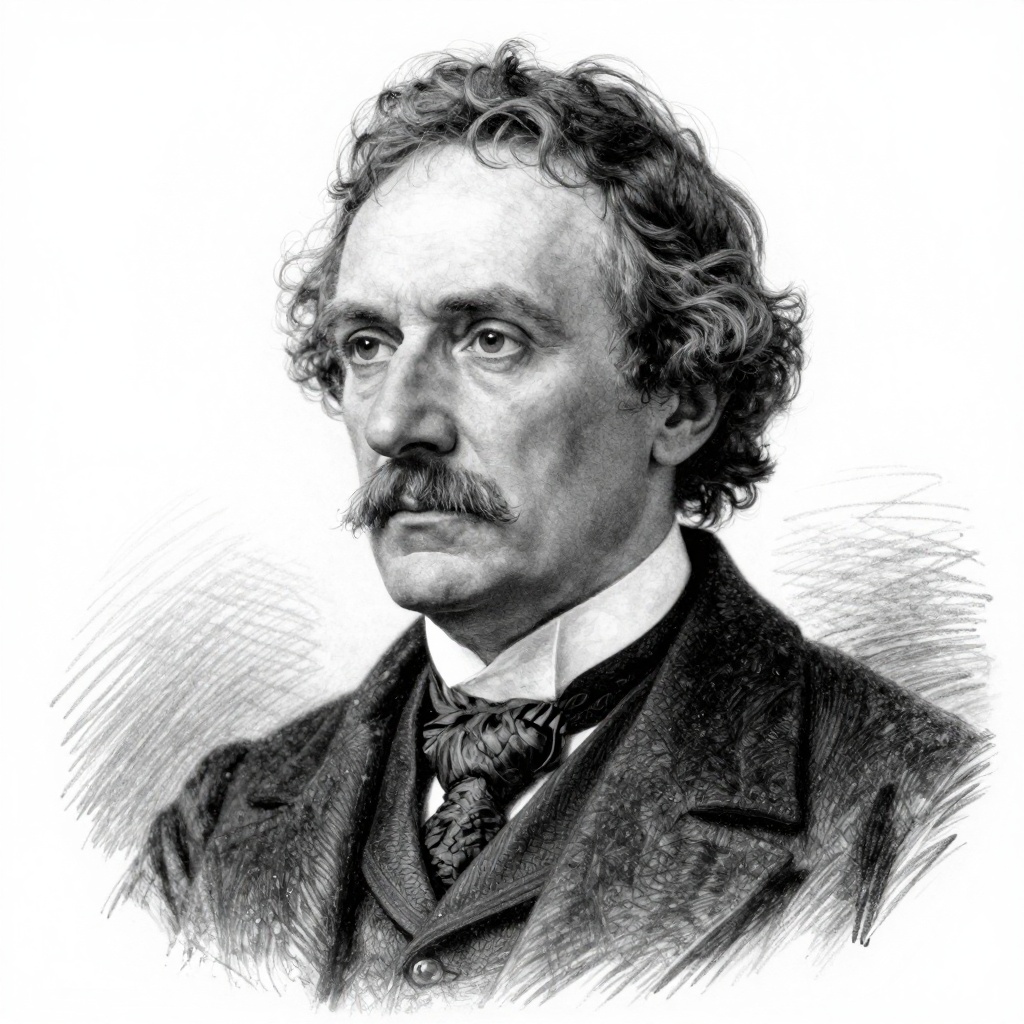
Comments