Quote · Added 15 February 2026
Reading
AI generatedSmart people know their own limits
We tend to romanticize genius as this boundless force—the person who knows everything, sees around every corner, understands what nobody else can. But there's something oddly grounding about this quote: it suggests that truly brilliant people actually know where the boundaries are. They understand what they don't know. They recognize the edge of their own expertise.
The real trap is overconfidence dressed up as intelligence. Someone who doesn't know their limits keeps charging forward, making increasingly wild claims, building entire arguments on shaky foundations. We see this everywhere—the person who's read one book about economics and suddenly has opinions on monetary policy, or the amateur who's watched a few TikToks about psychology and diagnoses everyone around them. There's a kind of blindness that comes from not knowing how little you know.
What makes this sting a little is that it cuts both ways. It's not just an insult aimed at the foolish. It's actually a challenge to anyone who considers themselves smart: do you know where your knowledge actually ends? Can you admit what you're uncertain about? That humility—that willingness to say "I don't know"—might be the truest mark of a sharp mind.
The author
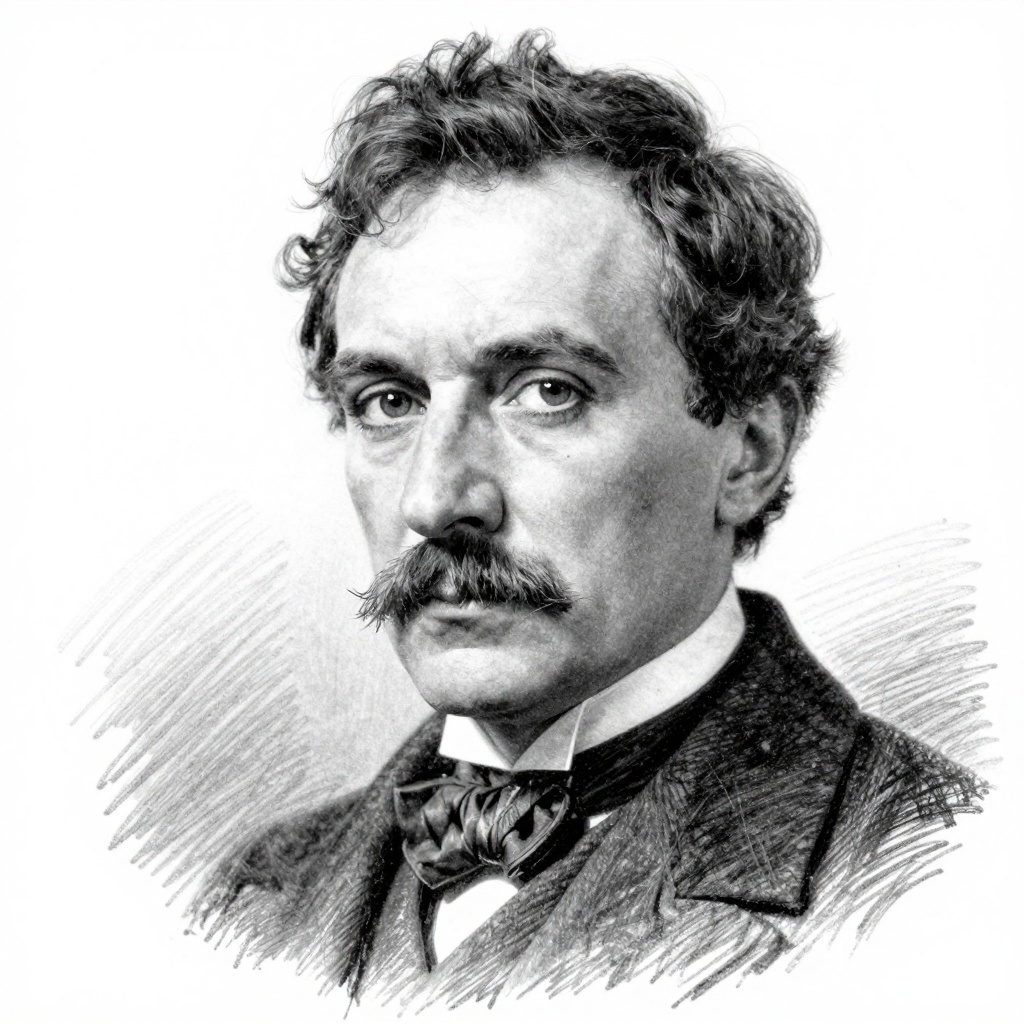
Alexandre Dumas fils
1824–1895·lived 71 years
Alexandre Dumas fils was a French playwright and novelist, born on July 27, 1824, in Paris. He is best known for his literary work "La Dame aux Camélias," which inspired numerous adaptations, including Verdi's opera "La Traviata." The son of the famous author Alexandre Dumas, he made significant contributions to French literature and was a prominent figure in the literary scene of the 19th century.
Comments