Quote · Added 31 January 2026
Nature must be felt; whoever merely sees and describes it separates the soul from the body.
Alexander von HumboldtAlles ist Wechselwirkung, Michael Rettig, 2023
Filed undernature·connection·soul
Quote · Added 31 January 2026
Filed undernature·connection·soul
There's a difference between scrolling through nature photographs and actually being outside—and this quote captures why. Humboldt isn't saying that observation is useless; he's suggesting that pure intellectual cataloging misses something essential. When you're standing in a forest, you're not just collecting visual data. You're experiencing temperature changes, hearing layers of sound, feeling the ground shift beneath your feet, noticing how light moves through leaves.
This matters now because so much of how we encounter the world has become mediated and passive. We can watch documentaries about mountains or read about ecosystems, but without the sensory immersion, we miss the visceral understanding that actually changes how we think. It's the difference between knowing facts about a river and standing in one. That embodied knowledge—what nature feels like—is what creates the emotional connection that makes people care about preserving it in the first place.
The surprising part is that Humboldt wasn't romanticizing nature as escape from thinking. He was saying that real thinking requires your whole self engaged. You can't outsource understanding to descriptions alone. Intellectual work and physical presence aren't in competition; they're partners. The soul and body need to move through the world together.
1769–1859·lived 89 years
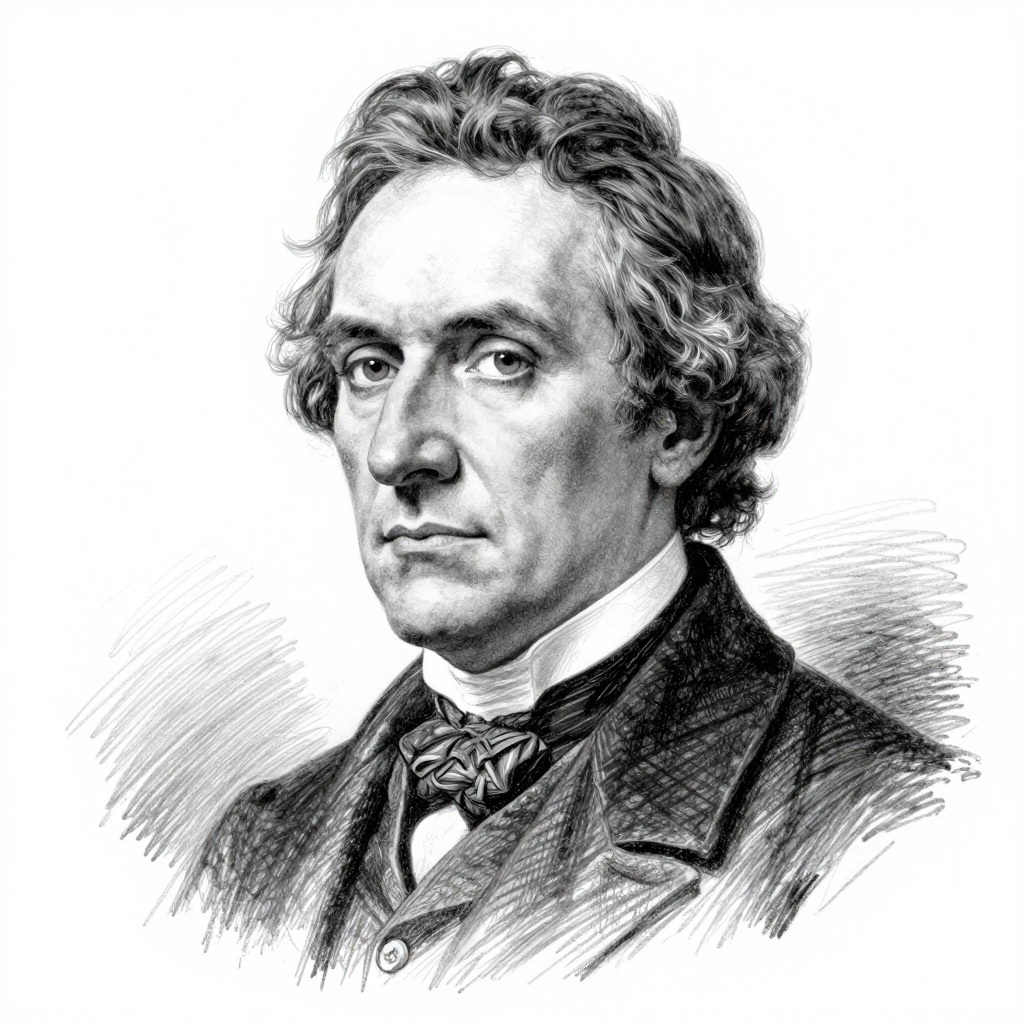
Alexander von Humboldt was a German naturalist and explorer, known for his extensive travels in Central and South America during the late 18th and early 19th centuries. He is recognized for his groundbreaking work in geography, botany, and geology, and his holistic view of nature as an interconnected system.
Comments