Quote · Added 15 February 2026
When one door closes, another opens; but we often look so long and so regretfully upon the closed door that we do not see the one which has opened for us.
Filed underdoor·opportunity·regret
Quote · Added 15 February 2026
Filed underdoor·opportunity·regret
Most of us know this feeling in our bones: when something we wanted doesn't work out, we get stuck. We replay conversations, wonder what we could have done differently, scroll through what might have been. And while we're doing that grieving—which is real and necessary—we're literally missing what's actually in front of us. A job falls through, but a conversation from that interview leads somewhere unexpected. A relationship ends, and suddenly you have the space and energy for friendships that had been neglected. A plan derails, and you stumble into something you never would have found otherwise.
The tricky part is that the new door doesn't announce itself loudly. It doesn't come with the same emotional weight as what we lost, so our brains—which are wired to notice threats and disappointments—keep us focused backward. But here's what's not obvious: sometimes the regret itself is the problem. It's not just that we're sad; it's that we're using sadness as a form of loyalty to what we lost, as if looking away means we didn't care enough. We don't.
The real skill isn't forcing positivity or faking gratitude. It's eventually—on your own timeline—turning your head just enough to see what's actually possible now.
1847–1922·lived 75 years
Alexander Graham Bell was a Scottish-born inventor and scientist known for inventing the telephone. He was also a teacher of the deaf and worked on various technologies related to communication and sound throughout his career. Bell is credited with revolutionizing global communication with his invention of the telephone.
Also by Alexander Graham Bell
Concentrate all your thoughts upon the work in hand. The Sun's rays do not burn until brou...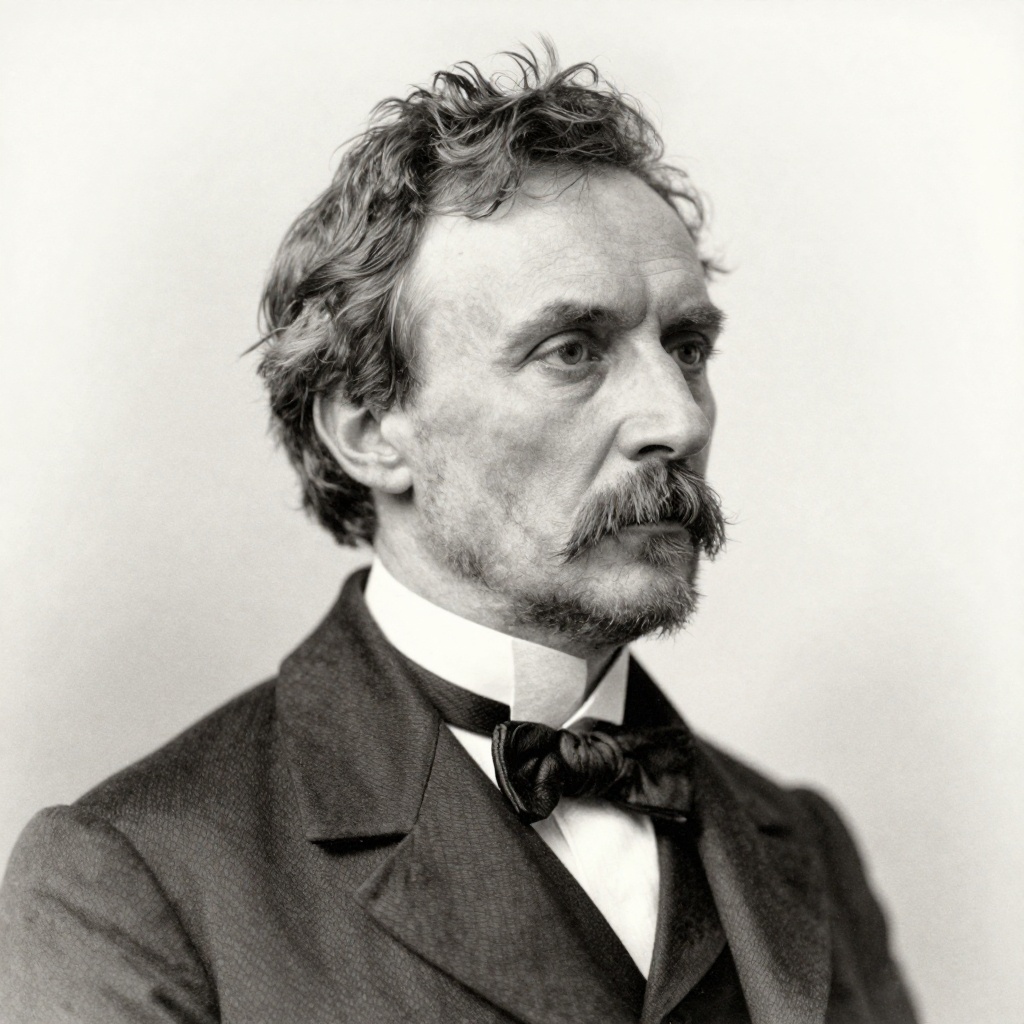
Comments