Quote · Added 14 February 2026
What beauty is, I know not, though it adheres to many things.
Albrecht DurerTheArtStory
No ratings yet
Quote · Added 14 February 2026
We spend enormous energy trying to pin down beauty—the right proportions, the perfect filter, the ideal aesthetic. But Durer's honest confession cuts through all that: beauty isn't some fixed formula we can finally decode. It's more like a property that shows up unexpectedly, attached to vastly different things. A weathered face has it. So does a freshly cleaned kitchen. A piece of music made from three notes carries it, as does an elaborate symphony. The moment you think you've caught it, you're already chasing the wrong thing.
This matters because it lets us off the hook. We're not failing at some impossible standard. We're actually just noticing something real—a quality that moves us—without needing to explain why. That rough wooden table is beautiful not because it fits some rule, but because beauty has decided to show up there. The strange part is that once you stop trying to define it, you see it everywhere: in your friend's laugh, in how light hits a puddle, in the focus on someone's face while they're actually listening to you. Maybe the point isn't to understand beauty. Maybe it's just to recognize it when it's already right there.
1471–1528·lived 56 years
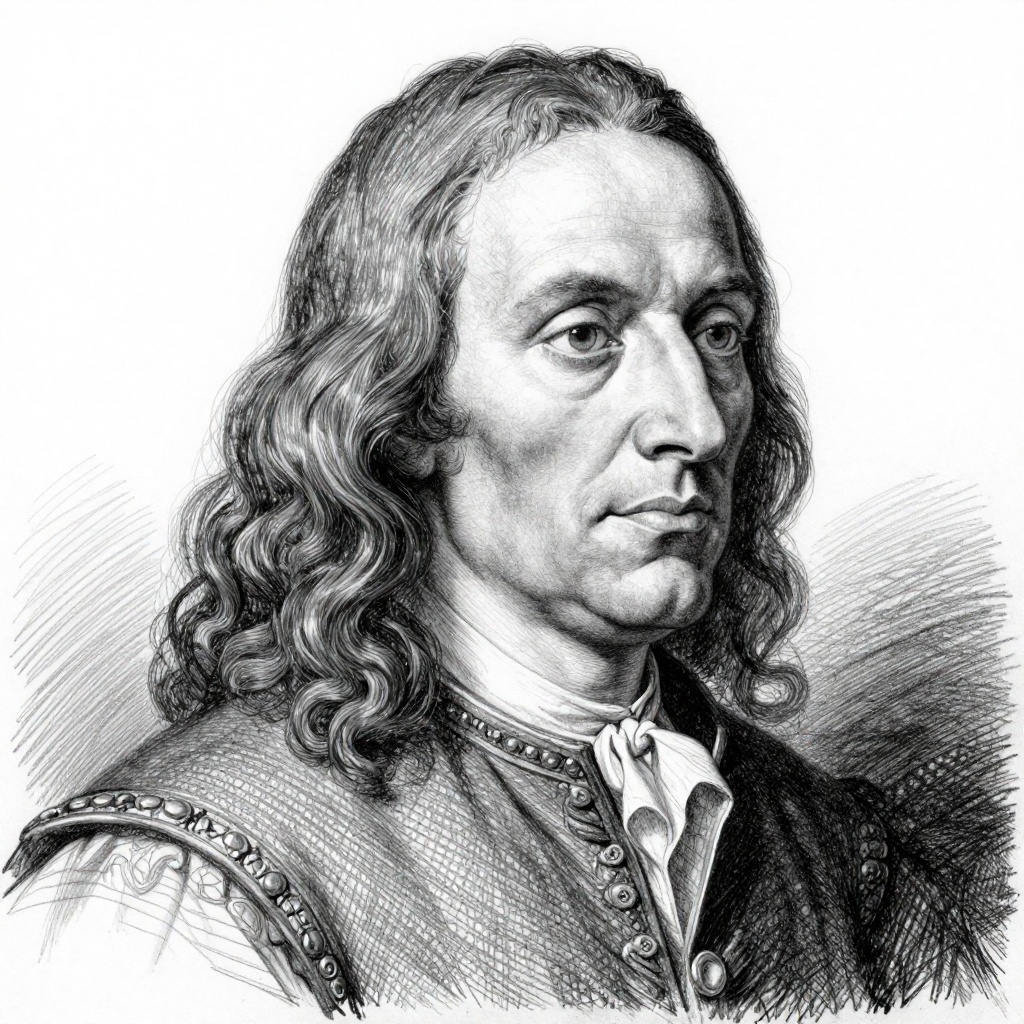
Albrecht Dürer (1471-1528) was a renowned German painter, printmaker, and theorist of the Renaissance. He is best known for his intricate woodcuts and engravings, as well as his detailed paintings that depict religious and mythological themes. Dürer's work had a profound influence on the development of printmaking and art in Europe.
Comments