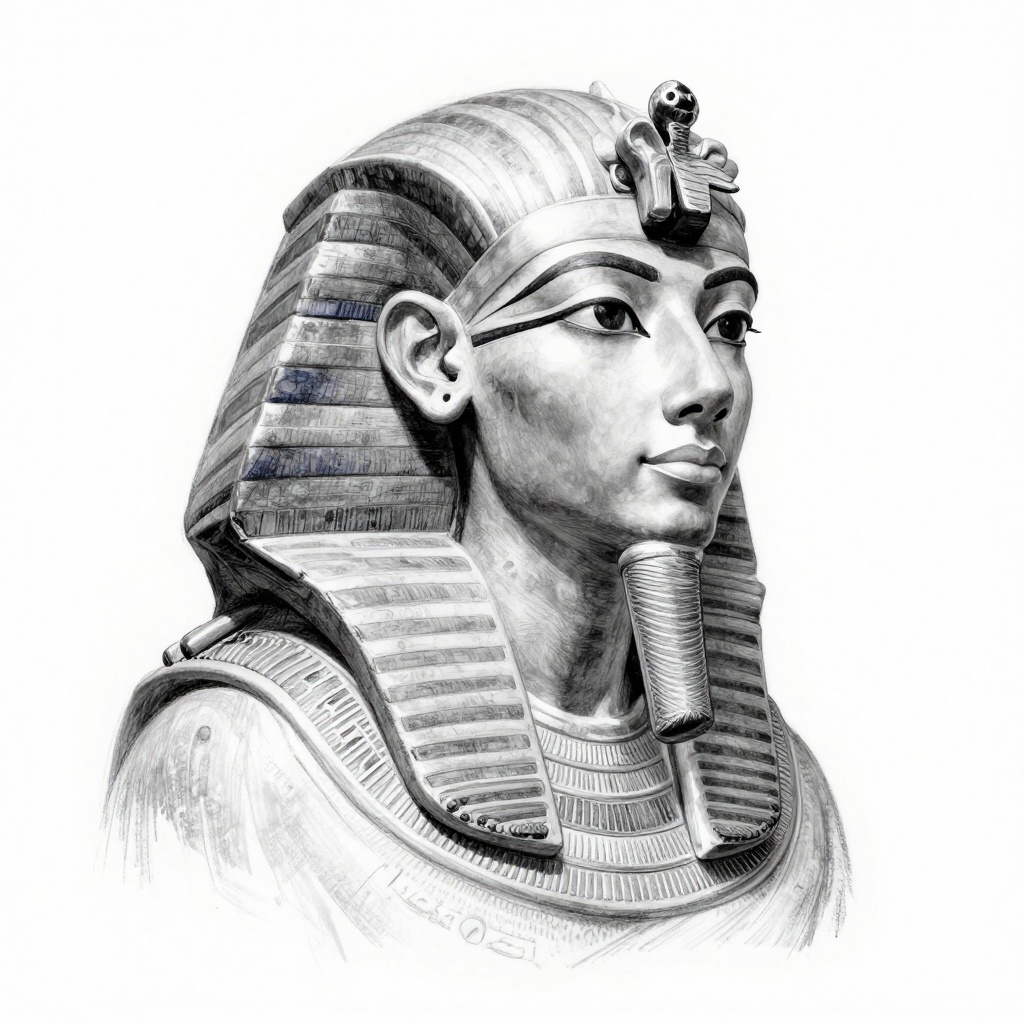
When virtue and modesty enlighten her charms, the lustre of a beautiful woman is brighter than the stars of he... — Akhenaton

When virtue and modesty enlighten her charms, the lustre of a beautiful woman is brighter than the stars of heaven, and the influence of her power it is in vain to resist.

Author: Akhenaton

Insight: There's something almost counterintuitive in this observation: the things that make someone truly magnetic aren't the obvious ones. We live in an age obsessed with presentation—filters, performance, visible markers of success—yet this ancient idea suggests that real influence comes from the quieter qualities. Virtue and modesty, working alongside charm, create something the quote calls irresistible. It's not just about looking good; it's about looking good and meaning something. The interesting part is that modesty gets paired with power here, not as its opposite but as its amplifier. Someone who's confident without needing to prove it, attractive without demanding attention for it, has a kind of gravitational pull that's hard to explain. We've all felt it—that person who isn't the loudest in the room but somehow commands the deepest respect. The contrast between their external presence and internal restraint creates an unusual kind of credibility. What's striking for today is how this flips our instincts backward. We're taught to maximize, to broadcast, to fill every inch of available space. But the quote suggests the opposite: that restraint itself is magnetic. Not because virtue is boring, but because it signals something real. In a world drowning in noise and performance, genuine character might be the rarest luxury of all.

Quiet power beats loud perfection

When virtue and modesty enlighten her charms, the lustre of a beautiful woman is brighter than the stars of heaven, and the influence of her power it is in vain to resist.

There's something almost counterintuitive in this observation: the things that make someone truly magnetic aren't the obvious ones. We live in an age obsessed with presentation—filters, performance, visible markers of success—yet this ancient idea suggests that real influence comes from the quieter qualities. Virtue and modesty, working alongside charm, create something the quote calls irresistible. It's not just about looking good; it's about looking good and meaning something.

The interesting part is that modesty gets paired with power here, not as its opposite but as its amplifier. Someone who's confident without needing to prove it, attractive without demanding attention for it, has a kind of gravitational pull that's hard to explain. We've all felt it—that person who isn't the loudest in the room but somehow commands the deepest respect. The contrast between their external presence and internal restraint creates an unusual kind of credibility.

What's striking for today is how this flips our instincts backward. We're taught to maximize, to broadcast, to fill every inch of available space. But the quote suggests the opposite: that restraint itself is magnetic. Not because virtue is boring, but because it signals something real. In a world drowning in noise and performance, genuine character might be the rarest luxury of all.

AI generated

Comments

Sign in to leave a comment or reply to one.

Sign in

Akhenaton

Akhenaton was an ancient Egyptian pharaoh of the Eighteenth Dynasty who ruled from about 1353 to 1336 BCE. He is best known for introducing a monotheistic worship of the sun disc Aten, breaking away from traditional polytheistic beliefs and practices. His reign marked significant religious and artistic changes, although it was controversial and met with resistance.

Graph

Related