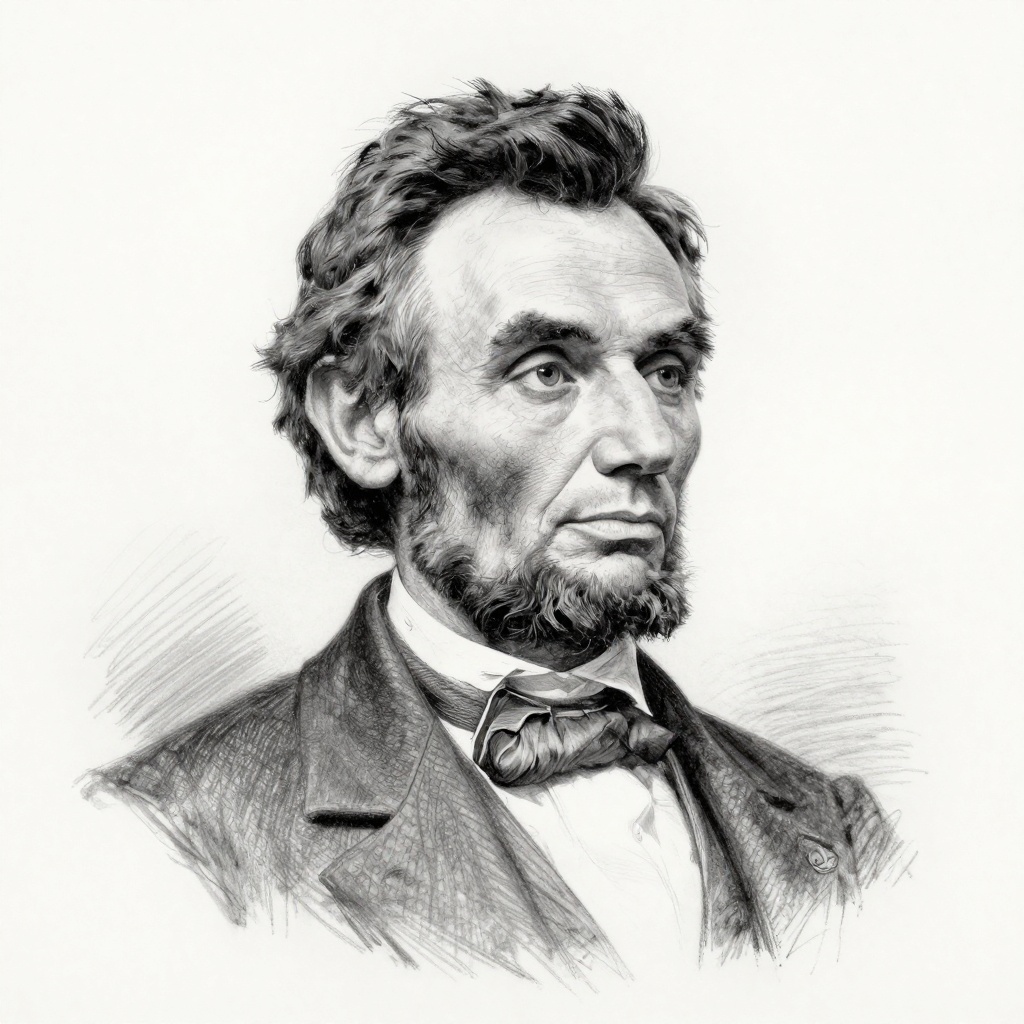
We the people are the rightful masters of both Congress and the courts, not to overthrow the Constitution but... — Abraham Lincoln

We the people are the rightful masters of both Congress and the courts, not to overthrow the Constitution but to overthrow the men who pervert the Constitution.

Author: Abraham Lincoln

Insight: There's a tension baked into this quote that feels urgent right now: it separates the system itself from the people running it. Lincoln isn't telling you to burn it all down. He's saying the Constitution is sound—but the humans interpreting and executing it can drift, compromise, or get corrupted. That distinction matters because it gives you somewhere to stand that isn't nihilism or blind loyalty. The real insight is that "the people" aren't passive observers waiting for permission. You're supposed to actively judge whether your representatives and judges are honoring their actual job or just using their position as cover for what they want. That's exhausting, honestly. It's easier to either trust completely or assume it's all broken. But Lincoln's pushing for something harder: vigilant citizenship, the kind where you stay engaged because the machinery only works if someone's paying attention. Today, this cuts both ways. It means accountability doesn't stop at elections—it's ongoing scrutiny. But it also means when people disagree sharply about whether someone is perverting the Constitution versus faithfully interpreting it, that disagreement itself is legitimate, even necessary. The system survives on friction between honest people trying to get it right.

Source: Letter to Henry L. Pierce and Others, April 6, 1859

The System Survives on Vigilant Friction

We the people are the rightful masters of both Congress and the courts, not to overthrow the Constitution but to overthrow the men who pervert the Constitution.

Abraham LincolnLetter to Henry L. Pierce and Others, April 6, 1859

There's a tension baked into this quote that feels urgent right now: it separates the system itself from the people running it. Lincoln isn't telling you to burn it all down. He's saying the Constitution is sound—but the humans interpreting and executing it can drift, compromise, or get corrupted. That distinction matters because it gives you somewhere to stand that isn't nihilism or blind loyalty.

The real insight is that "the people" aren't passive observers waiting for permission. You're supposed to actively judge whether your representatives and judges are honoring their actual job or just using their position as cover for what they want. That's exhausting, honestly. It's easier to either trust completely or assume it's all broken. But Lincoln's pushing for something harder: vigilant citizenship, the kind where you stay engaged because the machinery only works if someone's paying attention.

Today, this cuts both ways. It means accountability doesn't stop at elections—it's ongoing scrutiny. But it also means when people disagree sharply about whether someone is perverting the Constitution versus faithfully interpreting it, that disagreement itself is legitimate, even necessary. The system survives on friction between honest people trying to get it right.

AI generated

Comments

Sign in to leave a comment or reply to one.

Sign in

Abraham Lincoln

Abraham Lincoln was the 16th President of the United States, serving from 1861 until his assassination in 1865. He is best known for leading the country through the Civil War, preserving the Union, and issuing the Emancipation Proclamation that led to the abolition of slavery in the United States.

Graph

Related