Quote · Added 14 February 2026
Those who deny freedom to others deserve it not for themselves; and under the rule of a just God, cannot long retain it.
Abraham LincolnLetter to Henry L. Pierce, April 6, 1859
No ratings yet
Quote · Added 14 February 2026
We usually think of freedom as something you either have or don't have, like a light switch. But Lincoln is saying something stranger: that denying freedom to others is actually a kind of boomerang. If you're willing to restrict someone else's liberty—their right to choose, speak, or exist without interference—you're building a world where that same restriction can come back on you. You've basically forfeited your moral claim to protection.
The unsettling part is how this plays out in ordinary life, not just in politics. When we justify why certain people shouldn't have a choice—whether it's about their body, beliefs, or future—we're weakening the logic that protects our own freedoms. We're saying freedom is conditional, and conditions can shift. The person who thinks some people don't deserve certain rights is betting they'll never find themselves in that "certain people" category.
What makes this relevant now is that it suggests freedom isn't really about your circumstances—it's about what you're willing to defend for everyone. You can't genuinely secure your own freedom while building cages for others. Eventually, the cage comes home.
1809–1865·lived 56 years
Abraham Lincoln was the 16th President of the United States, serving from 1861 until his assassination in 1865. He is best known for leading the country through the Civil War, preserving the Union, and issuing the Emancipation Proclamation that led to the abolition of slavery in the United States.
Also by Abraham Lincoln
My best friend is a person who will give me a book I have not read.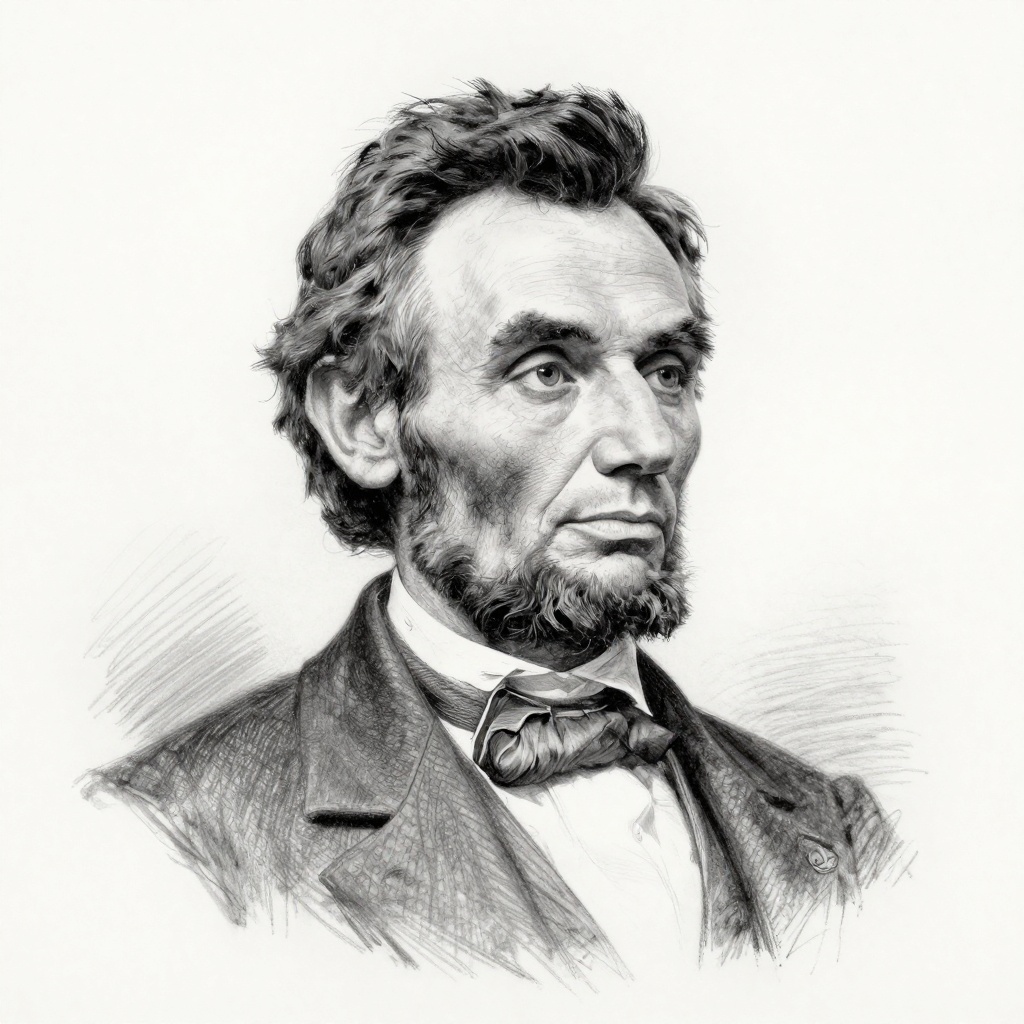
Comments