Quote · Added 14 February 2026
The probability that we may fail in the struggle ought not to deter us from the support of a cause we believe to be just.
Abraham LincolnStudent Handouts, 2023
No ratings yet
Filed understruggle·belief·perseverance
Quote · Added 14 February 2026
Filed understruggle·belief·perseverance
We live in a world that punishes uncertainty. Before we commit to anything—a career change, a difficult conversation, standing up for what we believe—we calculate the odds of success. And when those odds look uncertain, we often don't bother trying. But Lincoln's point cuts through that paralysis: the real question isn't whether you'll definitely win. It's whether the cause itself is worth fighting for.
This matters precisely because most things worth doing don't come with guarantees. You can't know if your startup will survive, if speaking up at work will actually change anything, or if your marriage will make it through the hard years. The temptation is to stay quiet, stay small, wait for certainty that never arrives. But notice what Lincoln isn't saying—he's not pretending failure doesn't hurt or that odds don't matter. He's saying they're the wrong measurement for deciding what's right.
The shift is subtle but transformative. Instead of "Will this work out?" the real question becomes "Is this worth trying even if it might not?" Sometimes that answer is no, and that's fine. But sometimes it's yes, and that's when you discover that showing up for something you believe in—even imperfectly, even uncertainly—is its own kind of success.
1809–1865·lived 56 years
Abraham Lincoln was the 16th President of the United States, serving from 1861 until his assassination in 1865. He is best known for leading the country through the Civil War, preserving the Union, and issuing the Emancipation Proclamation that led to the abolition of slavery in the United States.
Also by Abraham Lincoln
My best friend is a person who will give me a book I have not read.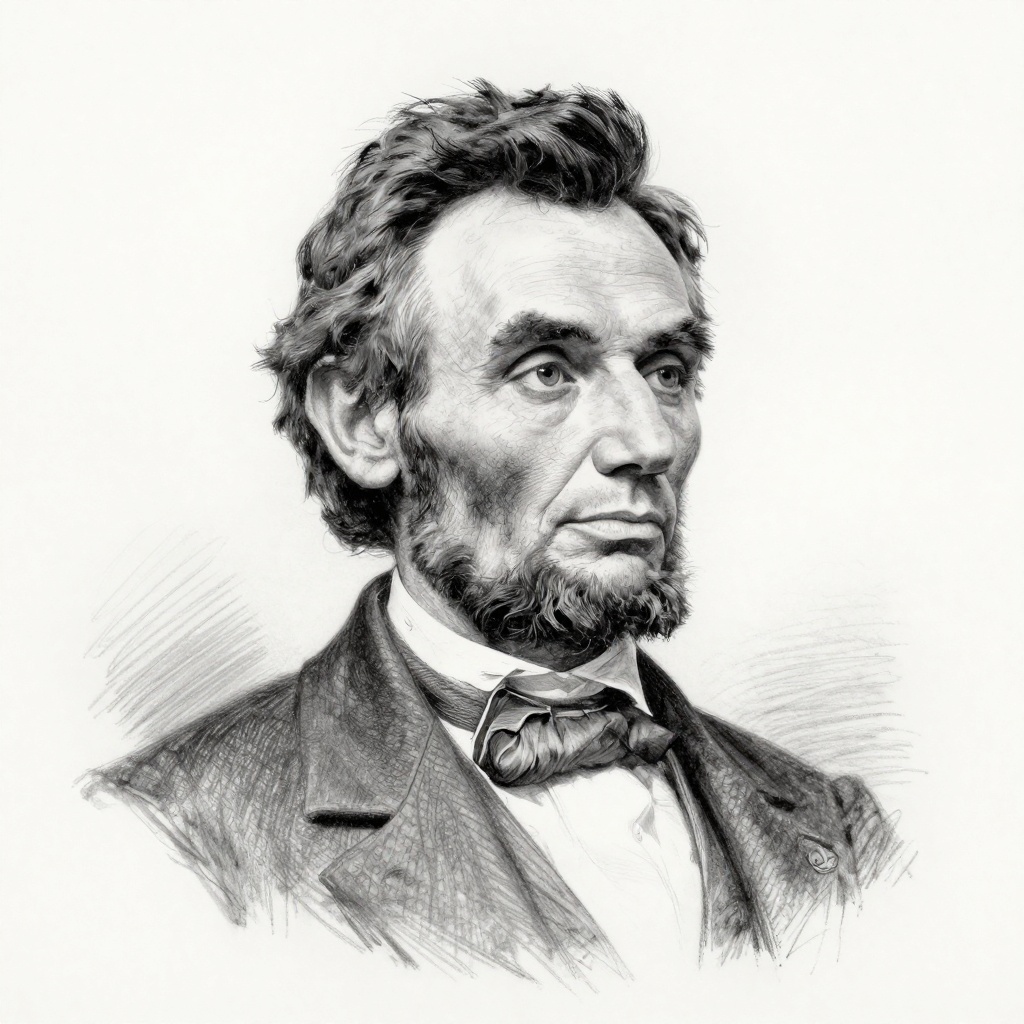
Comments