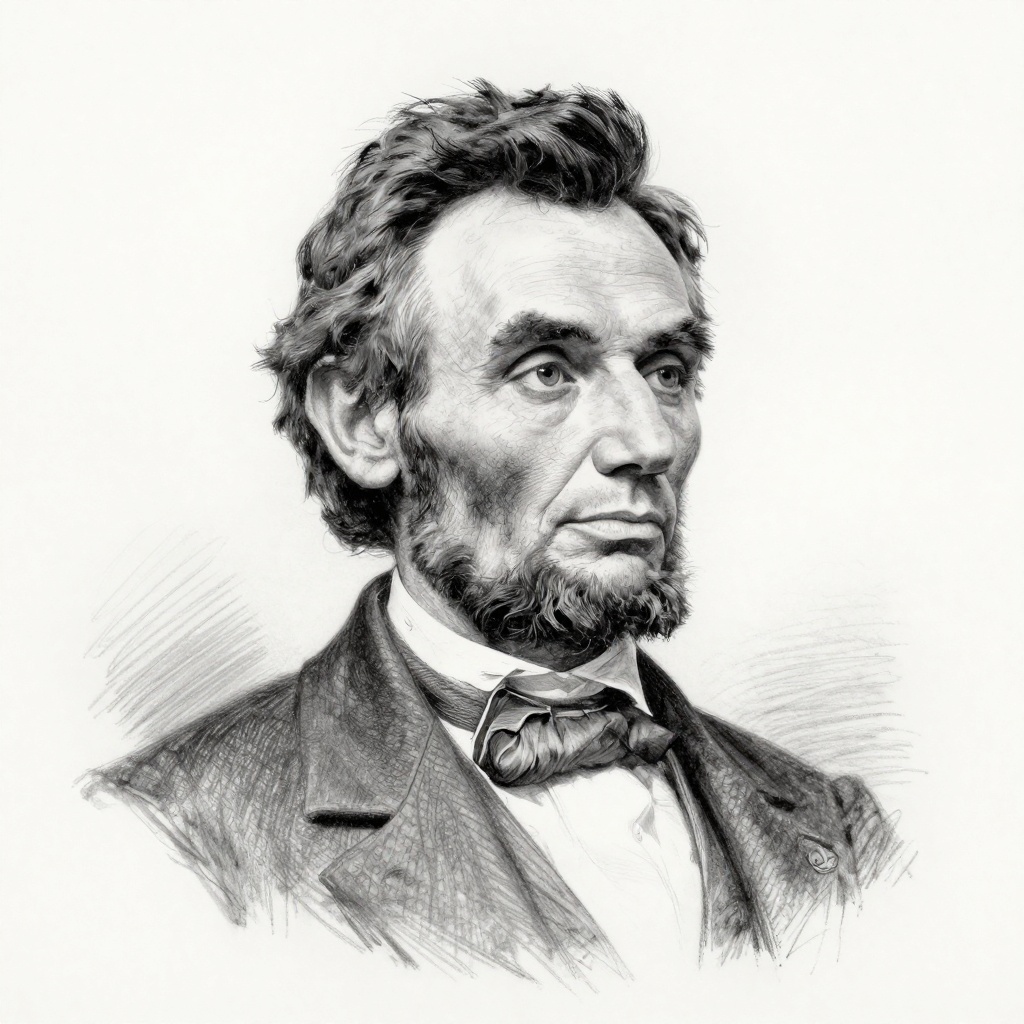
The dogmas of the quiet past are inadequate to the stormy present. The occasion is piled high with difficulty,... — Abraham Lincoln

The dogmas of the quiet past are inadequate to the stormy present. The occasion is piled high with difficulty, and we must rise with the occasion. As our case is new, so we must think anew and act anew.

Author: Abraham Lincoln

Insight: We tend to assume that the solutions that worked yesterday will work today. But life has a way of shifting the ground beneath our feet—a pandemic changes how we work, technology reshapes relationships, economic anxiety rewrites what stability means. When the world gets more complicated, our old playbook often just leaves us frustrated, wondering why the standard advice isn't landing. Lincoln understood this in the crucible of civil war, but it applies just as much to personal crises and cultural moments. The "quiet past" isn't necessarily peaceful; it's just the time when things made sense according to familiar rules. The "stormy present" is when those rules stop working. The tough part isn't recognizing we need to change—it's actually doing it. Our instinct is to defend what we know, to insist that the old way was fine and people are just being dramatic. But sometimes the difficulty really does pile high enough that we have no choice but to think differently. The insight Lincoln offers isn't just optimistic; it's almost confrontational. He's saying you can't coast on inherited wisdom. You have to meet the moment where it actually is, not where you wish it would stay. That's harder than following a script, but it's the only way through.

Source: Annual Message to Congress, December 1, 1862

When the old rules stop working

The dogmas of the quiet past are inadequate to the stormy present. The occasion is piled high with difficulty, and we must rise with the occasion. As our case is new, so we must think anew and act anew.

Abraham LincolnAnnual Message to Congress, December 1, 1862

We tend to assume that the solutions that worked yesterday will work today. But life has a way of shifting the ground beneath our feet—a pandemic changes how we work, technology reshapes relationships, economic anxiety rewrites what stability means. When the world gets more complicated, our old playbook often just leaves us frustrated, wondering why the standard advice isn't landing.

Lincoln understood this in the crucible of civil war, but it applies just as much to personal crises and cultural moments. The "quiet past" isn't necessarily peaceful; it's just the time when things made sense according to familiar rules. The "stormy present" is when those rules stop working. The tough part isn't recognizing we need to change—it's actually doing it. Our instinct is to defend what we know, to insist that the old way was fine and people are just being dramatic. But sometimes the difficulty really does pile high enough that we have no choice but to think differently.

The insight Lincoln offers isn't just optimistic; it's almost confrontational. He's saying you can't coast on inherited wisdom. You have to meet the moment where it actually is, not where you wish it would stay. That's harder than following a script, but it's the only way through.

AI generated

Comments

Sign in to leave a comment or reply to one.

Sign in

Abraham Lincoln

Abraham Lincoln was the 16th President of the United States, serving from 1861 until his assassination in 1865. He is best known for leading the country through the Civil War, preserving the Union, and issuing the Emancipation Proclamation that led to the abolition of slavery in the United States.

Graph

Related