Quote · Added 14 February 2026
The best way to get a bad law repealed is to enforce it strictly.
No ratings yet
Filed underlaw·enforcement·change
Quote · Added 14 February 2026
Filed underlaw·enforcement·change
When a rule is genuinely unjust, following it to the letter can actually be more powerful than breaking it outright. If you enforce every detail without mercy or common sense, the absurdity becomes impossible to ignore. Suddenly everyone—not just critics—experiences the real cost of the law, and that shared frustration builds pressure for change faster than arguments alone ever could.
This plays out surprisingly often in everyday life. A manager implementing a new policy exactly as written, without exceptions, quickly reveals whether it actually works. A parent enforcing every rule in the handbook without flexibility shows their teenager why some rules need rethinking. The strict enforcement becomes a kind of mirror: it forces people to confront what they actually created, rather than letting them hide behind good intentions.
The counterintuitive part is that this works because it removes the escape hatch of selective application. When people can pick and choose which rules to follow, broken laws stay quietly broken, and nobody has to seriously reckon with them. But turn the machine on full blast? Now the burden becomes real, visible, and shared. That's when reform becomes not an idealistic wish but a practical necessity.
1809–1865·lived 56 years
Abraham Lincoln was the 16th President of the United States, serving from 1861 until his assassination in 1865. He is best known for leading the country through the Civil War, preserving the Union, and issuing the Emancipation Proclamation that led to the abolition of slavery in the United States.
Also by Abraham Lincoln
My best friend is a person who will give me a book I have not read.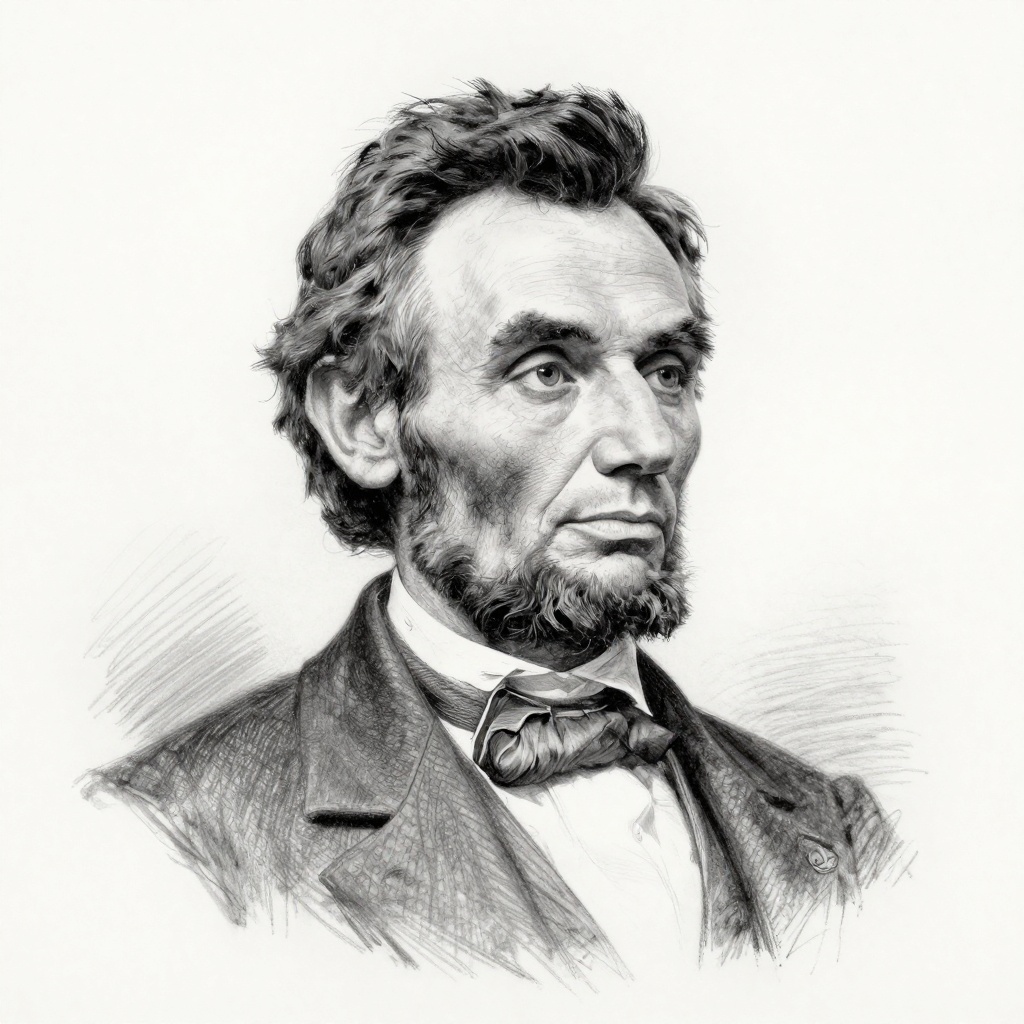
Comments