Quote · Added 14 February 2026
The ballot is stronger than the bullet.
Abraham LincolnAddress to Congress, July 4, 1861
No ratings yet
Quote · Added 14 February 2026
We often think of power as something that happens in moments of crisis—armies mobilizing, dramatic confrontations, decisive battles. But Lincoln's observation points to something quieter and more durable: the real power to shape society lives in ordinary decisions made by ordinary people, not in force or coercion. A bullet changes one moment. A ballot changes direction.
What makes this still relevant isn't abstract political theory—it's something you encounter whenever you watch people choose sides. When someone you know shifts their vote based on a conversation, or when young people suddenly start participating in elections after years of sitting out, you're seeing power actually move. That shift is harder to manufacture through intimidation or propaganda than people think. Bullets silence voices. Ballots amplify them, sometimes in ways the powerful didn't anticipate.
The twist is that we've somehow made voting feel smaller than it should. We've convinced ourselves that complaining online or feeling angry matters more than the actual mechanism designed for change. Lincoln knew something we've half-forgotten: the reason authoritarian systems work so hard to suppress voting is because they understand it better than we do. They know the ballot is the threat they can't shoot.
1809–1865·lived 56 years
Abraham Lincoln was the 16th President of the United States, serving from 1861 until his assassination in 1865. He is best known for leading the country through the Civil War, preserving the Union, and issuing the Emancipation Proclamation that led to the abolition of slavery in the United States.
Also by Abraham Lincoln
My best friend is a person who will give me a book I have not read.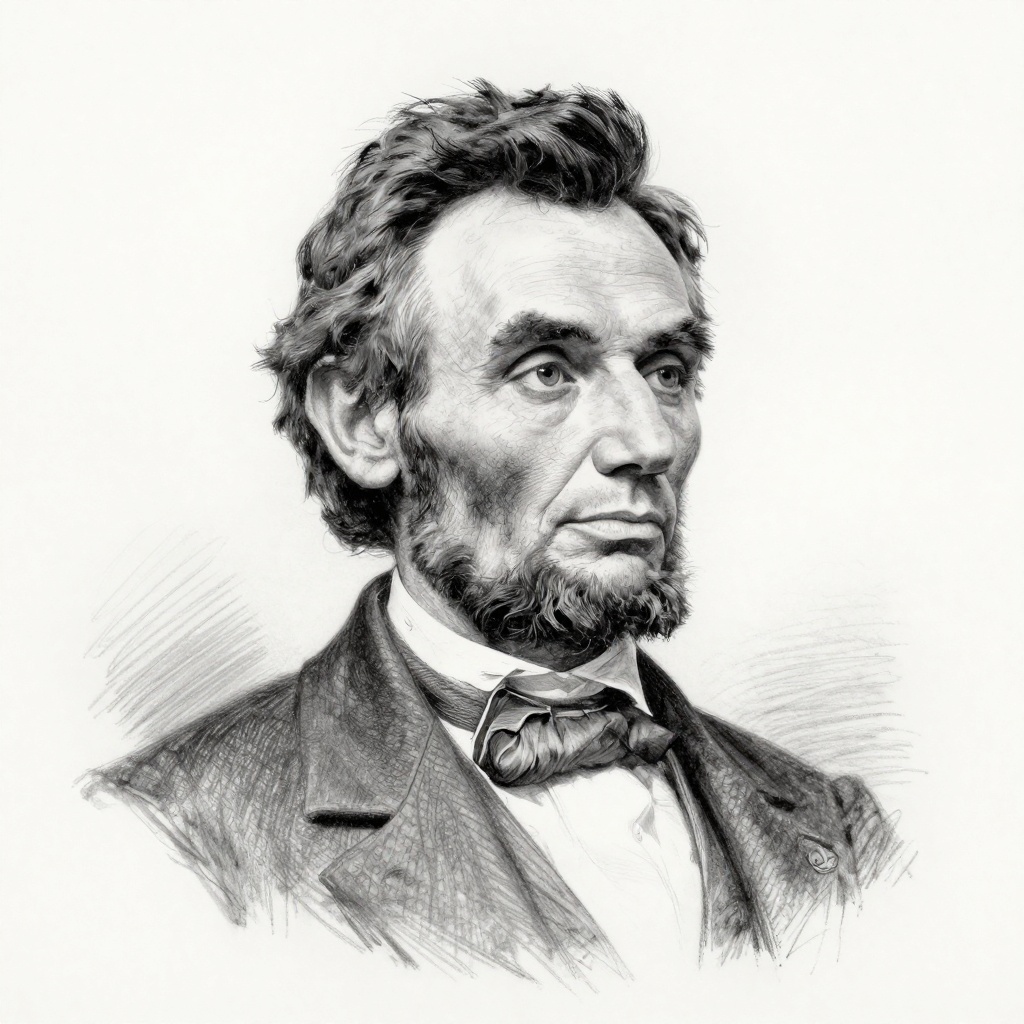
Comments