Quote · Added 14 February 2026
I don't like that man. I must get to know him better.
Abraham LincolnDon McMinn, 2024
No ratings yet
Filed underman·understanding·curiosity
Quote · Added 14 February 2026
Filed underman·understanding·curiosity
Most of us do the opposite. When we meet someone who rubs us the wrong way—their tone feels off, their values seem alien, their confidence reads as arrogance—we tend to keep our distance. We file them into a mental category and move on. Lincoln's instinct was nearly inverted: discomfort was his signal to go deeper, not retreat.
There's something quietly radical about treating initial dislike as incomplete information rather than final judgment. Our gut reactions are usually about projection or fear or simple misunderstanding. The person who annoys you at work might be anxious rather than dismissive. The relative you dread seeing might be operating from a completely different emotional logic than you assumed. Getting to know them better doesn't mean you'll become friends—but you'll likely replace caricature with actual human complexity.
This matters especially now, when it's easier than ever to avoid people who make us uncomfortable. We curate our feeds, choose our circles, harden our positions. But the people who shift cultures and resolve conflicts are often the ones willing to sit with that initial friction. They're curious about the discomfort itself. That restlessness might be telling you something worth investigating.
1809–1865·lived 56 years
Abraham Lincoln was the 16th President of the United States, serving from 1861 until his assassination in 1865. He is best known for leading the country through the Civil War, preserving the Union, and issuing the Emancipation Proclamation that led to the abolition of slavery in the United States.
Also by Abraham Lincoln
My best friend is a person who will give me a book I have not read.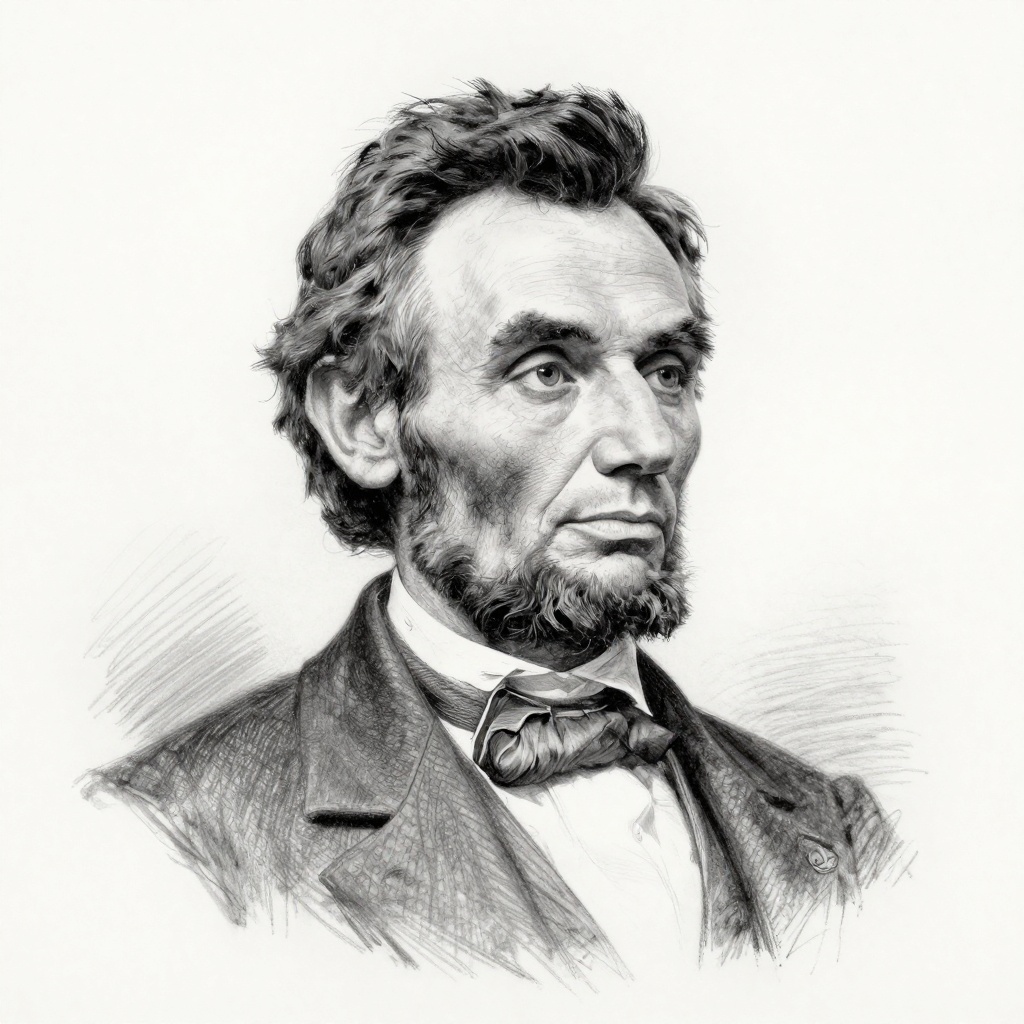
Comments