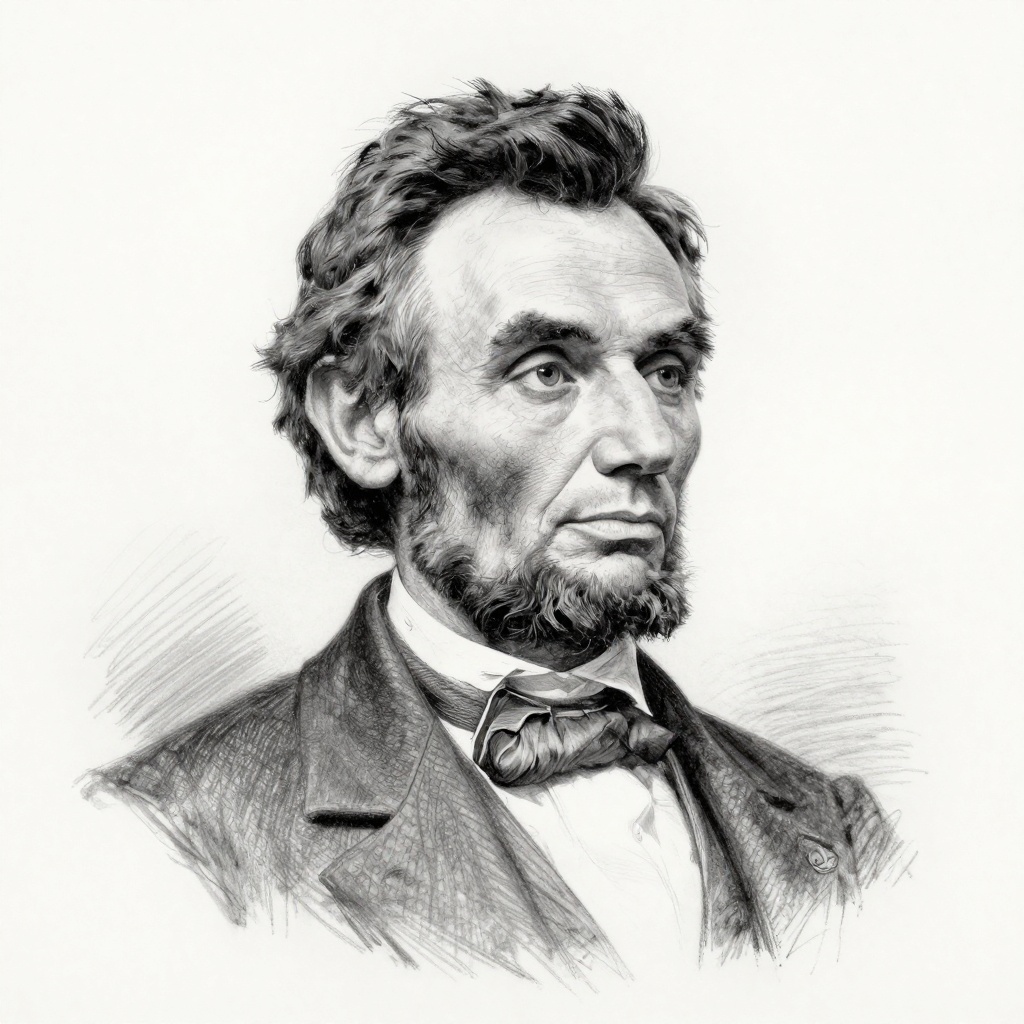
I do the very best I know how - the very best I can; and I mean to keep on doing so until the end. — Abraham Lincoln

I do the very best I know how - the very best I can; and I mean to keep on doing so until the end.

Author: Abraham Lincoln

Insight: We live in an age of optimization anxiety. There's always a better method, a faster tool, a more efficient way to do almost everything. So when someone says "I do the very best I know how," it sounds radical in its simplicity. Lincoln wasn't claiming perfection or waiting for ideal conditions. He was saying: with what I understand right now, with the resources and knowledge available to me, I'm going all in. And then I'm going to keep showing up tomorrow and doing it again. That distinction matters more than it seems. Most of us get paralyzed between what we're doing and what we imagine we could be doing with better information, more time, or a fresh start. But the gap between "doing your best" and "doing the best possible thing" can become an excuse to do nothing. Lincoln's commitment was to act fully with imperfect knowledge, then learn from what happens and adjust. The other part—that "until the end"—speaks to something we've mostly lost: the idea that excellence is about persistence, not just initial effort. It's the difference between a burst of motivation and a way of moving through the world. That's the part that actually holds weight in a life, whether you're leading a nation or just trying to show up meaningfully for the people around you.

Source: Letter to Eliza P. Gurney, September 4, 1864

Excellence is showing up again tomorrow

I do the very best I know how - the very best I can; and I mean to keep on doing so until the end.

Abraham LincolnLetter to Eliza P. Gurney, September 4, 1864

We live in an age of optimization anxiety. There's always a better method, a faster tool, a more efficient way to do almost everything. So when someone says "I do the very best I know how," it sounds radical in its simplicity. Lincoln wasn't claiming perfection or waiting for ideal conditions. He was saying: with what I understand right now, with the resources and knowledge available to me, I'm going all in. And then I'm going to keep showing up tomorrow and doing it again.

That distinction matters more than it seems. Most of us get paralyzed between what we're doing and what we imagine we could be doing with better information, more time, or a fresh start. But the gap between "doing your best" and "doing the best possible thing" can become an excuse to do nothing. Lincoln's commitment was to act fully with imperfect knowledge, then learn from what happens and adjust.

The other part—that "until the end"—speaks to something we've mostly lost: the idea that excellence is about persistence, not just initial effort. It's the difference between a burst of motivation and a way of moving through the world. That's the part that actually holds weight in a life, whether you're leading a nation or just trying to show up meaningfully for the people around you.

AI generated

Comments

Sign in to leave a comment or reply to one.

Sign in

Abraham Lincoln

Abraham Lincoln was the 16th President of the United States, serving from 1861 until his assassination in 1865. He is best known for leading the country through the Civil War, preserving the Union, and issuing the Emancipation Proclamation that led to the abolition of slavery in the United States.

Graph

Related