Quote · Added 19 February 2026
He can compress the most words into the smallest idea of any man I know.
No ratings yet
Filed underwords·ideas·intelligence
Quote · Added 19 February 2026
Filed underwords·ideas·intelligence
We've all sat through meetings where someone talks for twenty minutes and leaves us wondering what they actually said. Lincoln's observation cuts to something we recognize instantly: the difference between sounding impressive and saying something real. Some people have mastered the art of using elaborate language to fill space while delivering almost nothing underneath. They're not lying exactly—they're just very skilled at making emptiness sound full.
What makes this observation sting is how common it is. Social media rewards it. Corporate emails live on it. Even our conversations can fall into this trap when we're nervous or trying to seem smarter than we feel. The irony is that compressing nothing into many words takes genuine effort and intelligence—just pointed in the wrong direction. It's almost impressive how much work goes into saying so little.
The real trick, and why Lincoln's comment still matters, is recognizing this pattern in others first, then in ourselves. True clarity means the opposite: taking a genuine idea and stripping it down to its essence. It's harder than it sounds. Most of us have to fight the urge to pad what we mean with extra language, as if volume could substitute for substance. The people who don't fight that urge? They're the ones Lincoln was describing.
1809–1865·lived 56 years
Abraham Lincoln was the 16th President of the United States, serving from 1861 until his assassination in 1865. He is best known for leading the country through the Civil War, preserving the Union, and issuing the Emancipation Proclamation that led to the abolition of slavery in the United States.
Also by Abraham Lincoln
My best friend is a person who will give me a book I have not read.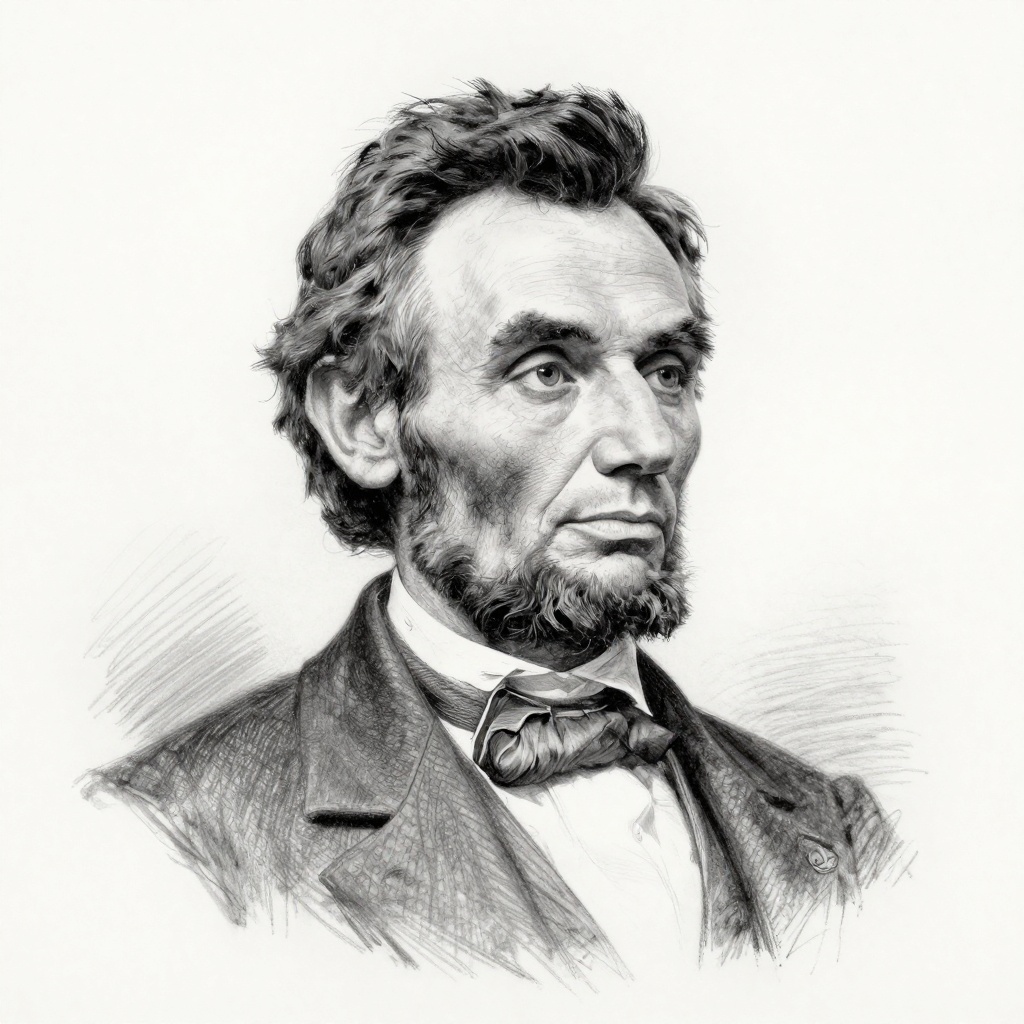
Comments