Quote · Added 8 September 2023
Do I not destroy my enemies when I make them my friends?
No ratings yet
Quote · Added 8 September 2023
There's something almost magical about this idea, but it's not actually magic—it's just how human nature works. When you shift from viewing someone as an adversary to treating them with genuine respect, something fundamental changes. They stop being the villain in your story and become a more complicated person. The hostility that fueled your conflict loses its energy. You can't sustain real hatred toward someone you're actually talking to and understanding.
The tricky part is that this doesn't mean everyone deserves your friendship or that you should abandon your principles. It means recognizing that most conflicts aren't truly between good and evil—they're between people who want different things or see situations differently. When you can separate the person from their position, you disarm the conflict's emotional charge. Your "enemy" becomes someone with reasons, fears, and dignity of their own. Suddenly the whole dynamic shifts.
This matters now more than ever because we live in a time of permanent positions and constant scoring. But Lincoln's observation suggests something quieter and more powerful: the person who can turn antagonism into respect doesn't just win the argument—they actually solve the problem underneath it. They don't destroy their enemy through domination. They make the enemy itself disappear.
1809–1865·lived 56 years
Abraham Lincoln was the 16th President of the United States, serving from 1861 until his assassination in 1865. He is best known for leading the country through the Civil War, preserving the Union, and issuing the Emancipation Proclamation that led to the abolition of slavery in the United States.
Also by Abraham Lincoln
My best friend is a person who will give me a book I have not read.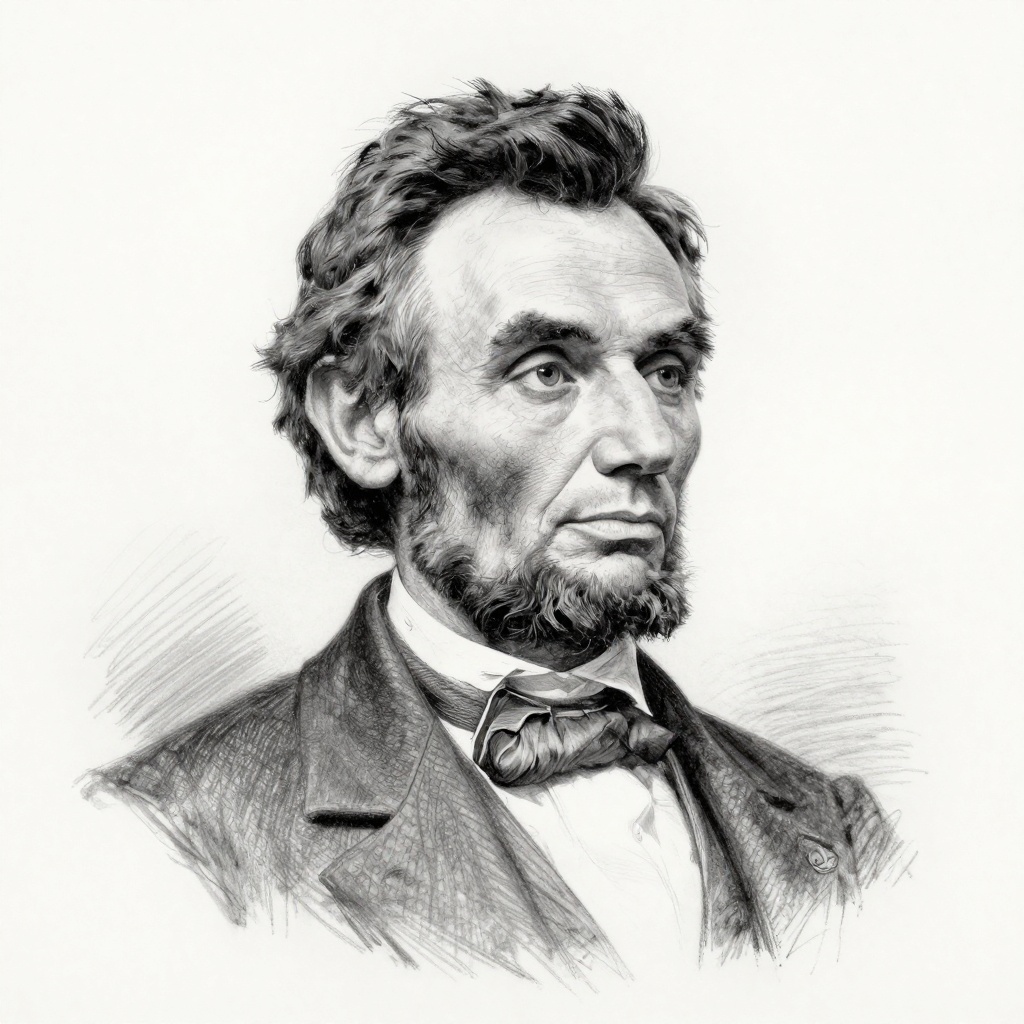
Comments