Quote · Added 14 February 2026
Avoid popularity if you would have peace.
No ratings yet
Filed underpopularity·peace·wisdom
Quote · Added 14 February 2026
Filed underpopularity·peace·wisdom
Most of us think of peace as something external—a quiet room, time alone, a break from chaos. But Lincoln is pointing to something stranger: that the very act of being liked by many people creates its own kind of noise. When you're popular, you're constantly performing, managing impressions, worrying about who might turn against you. You become reactive instead of reflective. Every decision gets filtered through the question: will this make me more or less liked?
The real insight is that popularity demands constant vigilance. You're never fully off-duty. Someone's always watching, judging, comparing you to the version of you they've decided you should be. Peace, by contrast, requires a kind of indifference—not to people, but to their approval ratings of you. It means being willing to disappoint, to be misunderstood, to let people dislike your choices. Ironically, people who stop chasing popularity often end up more genuinely respected, because they're no longer distorting themselves to fit what others want.
This doesn't mean being a hermit. It means choosing your audience carefully rather than playing to the crowd. It means some people won't like you, and that's not a failure—it's a requirement of having any real peace.
1809–1865·lived 56 years
Abraham Lincoln was the 16th President of the United States, serving from 1861 until his assassination in 1865. He is best known for leading the country through the Civil War, preserving the Union, and issuing the Emancipation Proclamation that led to the abolition of slavery in the United States.
Also by Abraham Lincoln
My best friend is a person who will give me a book I have not read.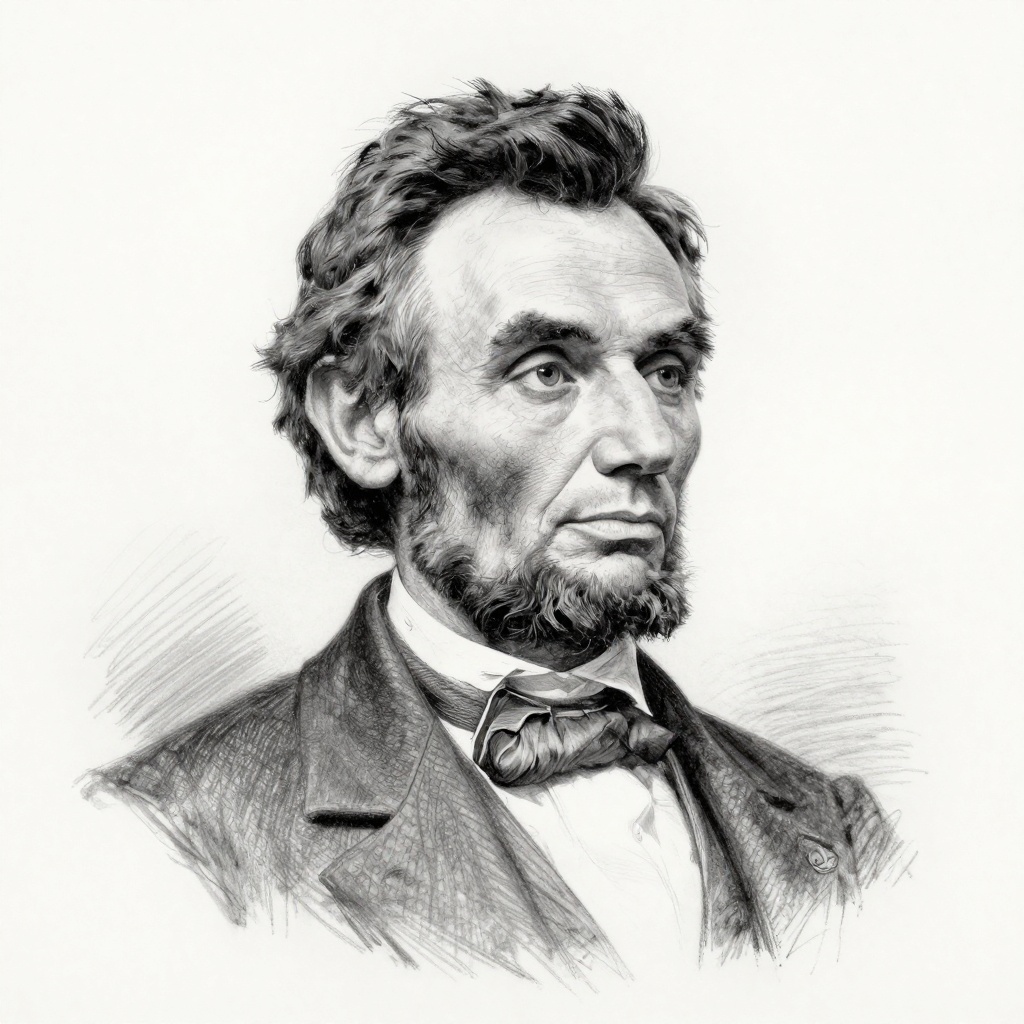
Comments