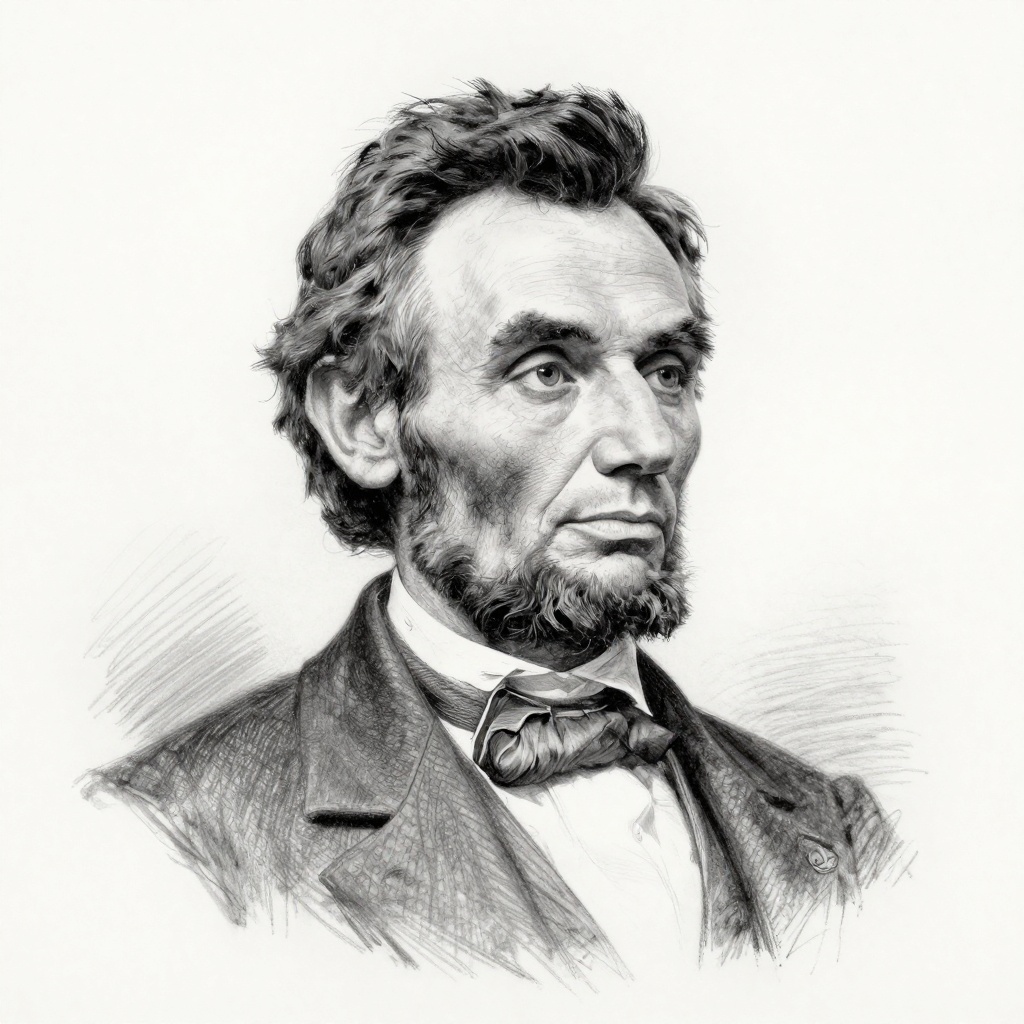
America will never be destroyed from the outside. If we falter and lose our freedoms, it will be because we de... — Abraham Lincoln

America will never be destroyed from the outside. If we falter and lose our freedoms, it will be because we destroyed ourselves.

Author: Abraham Lincoln

Insight: We tend to imagine threats arriving like a storm—dramatic, unmistakable, something we can point to and rally against. But Lincoln's warning cuts differently. He's saying the real danger lives inside us, in the choices we make when nobody's forcing our hand. It's the slow erosion that happens when we trade freedoms for convenience, or when we stop paying attention because the system seems too big to change anyway. This matters more now than ever, partly because we're swimming in distraction. It's easier to blame external enemies than to notice how we casually give away our own power—through the apps we use without reading terms, the habits we let form, the conversations we avoid. The quote suggests that freedom isn't something you keep by defending walls. It's something you keep by actually using it, staying vigilant about it, refusing to let it atrophy through indifference. The non-obvious part: Lincoln isn't being pessimistic. He's actually saying we have more control than we think. Our destruction isn't inevitable or predetermined. It comes from specific choices, which means unmade choices matter too. That's both sobering and oddly hopeful—because if we're the danger, we're also the solution.

Source: At what point then is the approach of danger to be expected? I answer, if it ever reach us, it must spring up amongst us. It cannot come from abroad. If destruction be our lot, we must ourselves be its author and finisher. As a nation of freemen, we must live through all time, or die by suicide

Freedom dies from the inside

America will never be destroyed from the outside. If we falter and lose our freedoms, it will be because we destroyed ourselves.

Abraham LincolnAt what point then is the approach of danger to be expected? I answer, if it ever reach us, it must spring up amongst us. It cannot come from abroad. If destruction be our lot, we must ourselves be its author and finisher. As a nation of freemen, we must live through all time, or die by suicide

We tend to imagine threats arriving like a storm—dramatic, unmistakable, something we can point to and rally against. But Lincoln's warning cuts differently. He's saying the real danger lives inside us, in the choices we make when nobody's forcing our hand. It's the slow erosion that happens when we trade freedoms for convenience, or when we stop paying attention because the system seems too big to change anyway.

This matters more now than ever, partly because we're swimming in distraction. It's easier to blame external enemies than to notice how we casually give away our own power—through the apps we use without reading terms, the habits we let form, the conversations we avoid. The quote suggests that freedom isn't something you keep by defending walls. It's something you keep by actually using it, staying vigilant about it, refusing to let it atrophy through indifference.

The non-obvious part: Lincoln isn't being pessimistic. He's actually saying we have more control than we think. Our destruction isn't inevitable or predetermined. It comes from specific choices, which means unmade choices matter too. That's both sobering and oddly hopeful—because if we're the danger, we're also the solution.

AI generated

Comments

Sign in to leave a comment or reply to one.

Sign in

Abraham Lincoln

Abraham Lincoln was the 16th President of the United States, serving from 1861 until his assassination in 1865. He is best known for leading the country through the Civil War, preserving the Union, and issuing the Emancipation Proclamation that led to the abolition of slavery in the United States.

Graph

Related