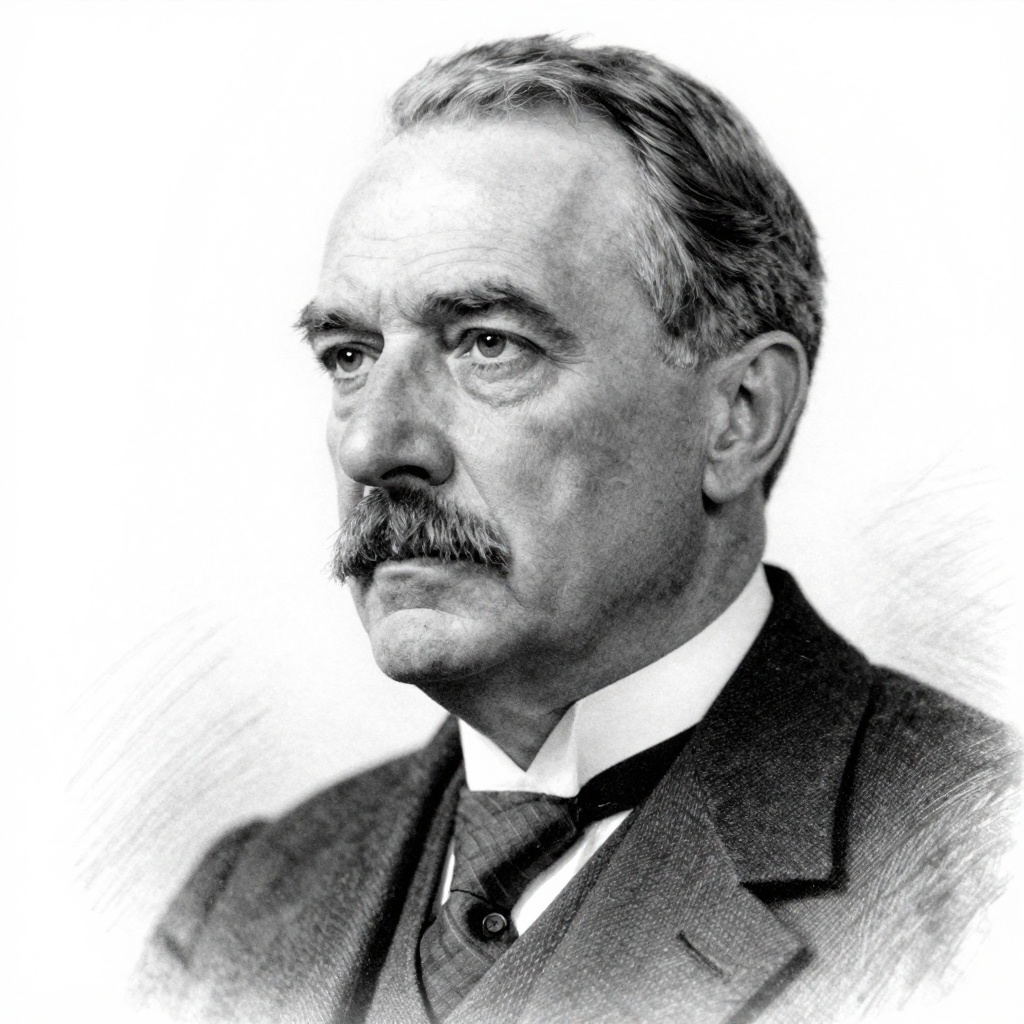
You are not here merely to make a living. You are here in order to enable the world to live more amply, with g... — Woodrow Wilson

You are not here merely to make a living. You are here in order to enable the world to live more amply, with greater vision, with a finer spirit of hope and achievement. You are here to enrich the world, and you impoverish yourself if you forget the errand.

Author: Woodrow Wilson

Insight: There's a particular moment most of us hit—usually in our twenties or thirties—when we realize that trading hours for money, while necessary, doesn't feel like enough. We sense there's supposed to be something more, but the world keeps insisting that stability and a paycheck are the real measures of success. Wilson's point cuts through that noise: the reason you're alive isn't just to fund your own existence. It's to make things genuinely better for people around you and maybe even further out. The non-obvious part is what happens when you ignore this. We often think of a purely self-focused life as freedom—you do your job, collect your paycheck, enjoy your weekends. But Wilson suggests the opposite is true: that life becomes smaller and emptier when you stop trying to contribute something beyond yourself. It's not about guilt or obligation; it's about recognizing that meaning and aliveness actually come from having some larger purpose, however modest. This doesn't require grand gestures. It means being the person at work who actually mentors someone younger, or the neighbor who shows up, or the one who brings real skill and care to whatever you touch. The "errand" Wilson mentions doesn't need to be your whole career—it just needs to exist somewhere in your choices. Without it, you're technically living, but you're cheating yourself out of what living actually feels like.

Your real job is bigger than survival

You are not here merely to make a living. You are here in order to enable the world to live more amply, with greater vision, with a finer spirit of hope and achievement. You are here to enrich the world, and you impoverish yourself if you forget the errand.

There's a particular moment most of us hit—usually in our twenties or thirties—when we realize that trading hours for money, while necessary, doesn't feel like enough. We sense there's supposed to be something more, but the world keeps insisting that stability and a paycheck are the real measures of success. Wilson's point cuts through that noise: the reason you're alive isn't just to fund your own existence. It's to make things genuinely better for people around you and maybe even further out.

The non-obvious part is what happens when you ignore this. We often think of a purely self-focused life as freedom—you do your job, collect your paycheck, enjoy your weekends. But Wilson suggests the opposite is true: that life becomes smaller and emptier when you stop trying to contribute something beyond yourself. It's not about guilt or obligation; it's about recognizing that meaning and aliveness actually come from having some larger purpose, however modest.

This doesn't require grand gestures. It means being the person at work who actually mentors someone younger, or the neighbor who shows up, or the one who brings real skill and care to whatever you touch. The "errand" Wilson mentions doesn't need to be your whole career—it just needs to exist somewhere in your choices. Without it, you're technically living, but you're cheating yourself out of what living actually feels like.

AI generated

Comments

Sign in to leave a comment or reply to one.

Sign in

Woodrow Wilson

Woodrow Wilson was the 28th President of the United States, serving from 1913 to 1921. He was a key figure during World War I and is best known for his Fourteen Points, which laid the groundwork for the League of Nations. Prior to his presidency, Wilson was the governor of New Jersey and a president of Princeton University.

Graph

Related