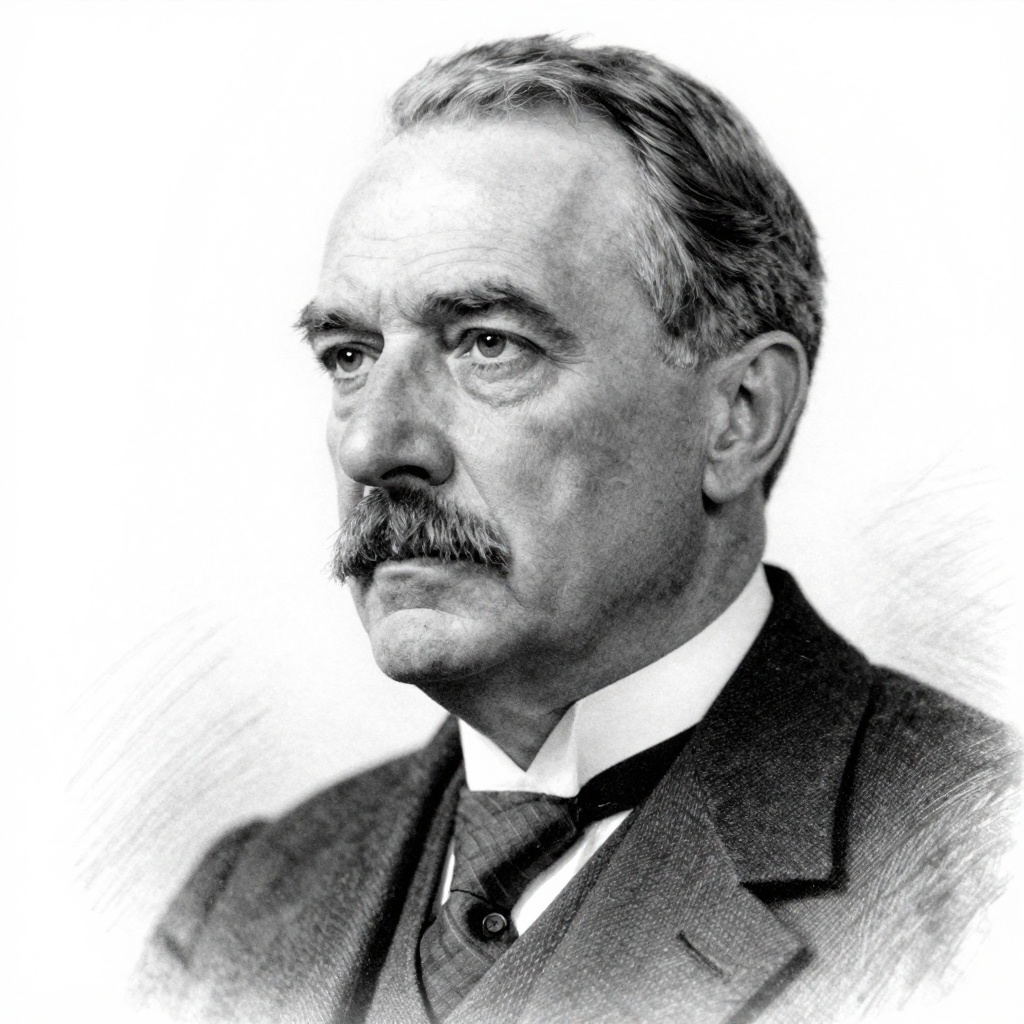
Liberty has never come from Government. Liberty has always come from the subjects of it. The history of libert... — Woodrow Wilson

Liberty has never come from Government. Liberty has always come from the subjects of it. The history of liberty is a history of limitations of governmental power, not the increase of it.

Author: Woodrow Wilson

Insight: Freedom isn't handed down from on high—it's wrestled up from below. This cuts against how we often think about progress, as if rights and freedoms are gifts that enlightened leaders bestow on grateful citizens. The reality is messier and more human. Every meaningful freedom we have came because ordinary people pushed back, refused, organized, and insisted on their dignity. The weekend, free speech, voting rights—none of these arrived because a government woke up generous one morning. What's tricky is recognizing this pattern in our own lives. We often wait for permission or expect institutions to protect what should already be ours. But the quote suggests something more active: liberty requires constant vigilance against the natural tendency of power to expand. This doesn't mean governments are purely evil—it means they're like water, always finding cracks to flow through. The burden falls on us to build the walls. The non-obvious part? This isn't actually a call to anarchism or libertarian absolutism. It's arguing that real freedom depends on an informed, engaged public willing to say no. That's harder than either trusting authority completely or rejecting it entirely. It means staying alert, learning how power actually works, and understanding that liberty is less a destination and more like maintenance work that never quite finishes.

Freedom is built from below

Liberty has never come from Government. Liberty has always come from the subjects of it. The history of liberty is a history of limitations of governmental power, not the increase of it.

Freedom isn't handed down from on high—it's wrestled up from below. This cuts against how we often think about progress, as if rights and freedoms are gifts that enlightened leaders bestow on grateful citizens. The reality is messier and more human. Every meaningful freedom we have came because ordinary people pushed back, refused, organized, and insisted on their dignity. The weekend, free speech, voting rights—none of these arrived because a government woke up generous one morning.

What's tricky is recognizing this pattern in our own lives. We often wait for permission or expect institutions to protect what should already be ours. But the quote suggests something more active: liberty requires constant vigilance against the natural tendency of power to expand. This doesn't mean governments are purely evil—it means they're like water, always finding cracks to flow through. The burden falls on us to build the walls.

The non-obvious part? This isn't actually a call to anarchism or libertarian absolutism. It's arguing that real freedom depends on an informed, engaged public willing to say no. That's harder than either trusting authority completely or rejecting it entirely. It means staying alert, learning how power actually works, and understanding that liberty is less a destination and more like maintenance work that never quite finishes.

AI generated

Comments

Sign in to leave a comment or reply to one.

Sign in

Woodrow Wilson

Woodrow Wilson was the 28th President of the United States, serving from 1913 to 1921. He was a key figure during World War I and is best known for his Fourteen Points, which laid the groundwork for the League of Nations. Prior to his presidency, Wilson was the governor of New Jersey and a president of Princeton University.

Graph

Related