Quote · Added 14 February 2026
Good humor is one of the best articles of dress one can wear in society.
William Makepeace ThackerayThe History of Pendennis, p. 123, 1848
Filed underhumor·society·appearance
Quote · Added 14 February 2026
Filed underhumor·society·appearance
There's something almost magical about the person who can laugh easily—not the loud, attention-grabbing kind, but genuine warmth underneath their words. They seem to move through the world differently. People relax around them. Conversations flow. They're invited to things. And it's not because they're necessarily the funniest person in the room. It's because they wear their good humor like confidence, and confidence is contagious.
What makes this observation so smart is that Thackeray understood humor as something worn—a choice, a presentation, almost a skill. Like any piece of clothing, it signals something about you to the world. But unlike your jacket or shoes, nobody can fake good humor for long. People can tell when you're genuinely amused versus performing amusement. And they can absolutely tell when you're the type who gets annoyed easily, who takes things personally, who brings heaviness into a room.
The practical part? Learning to find lightness in ordinary frustrations—a delayed bus, a work mistake, your own clumsiness—genuinely does change how people respond to you. It's not about being fake or never getting upset. It's about choosing not to let every small thing harden your face. In a world that often feels tense and demanding, someone who can still find something funny is simply better company. And better company opens doors.
1811–1863·lived 52 years
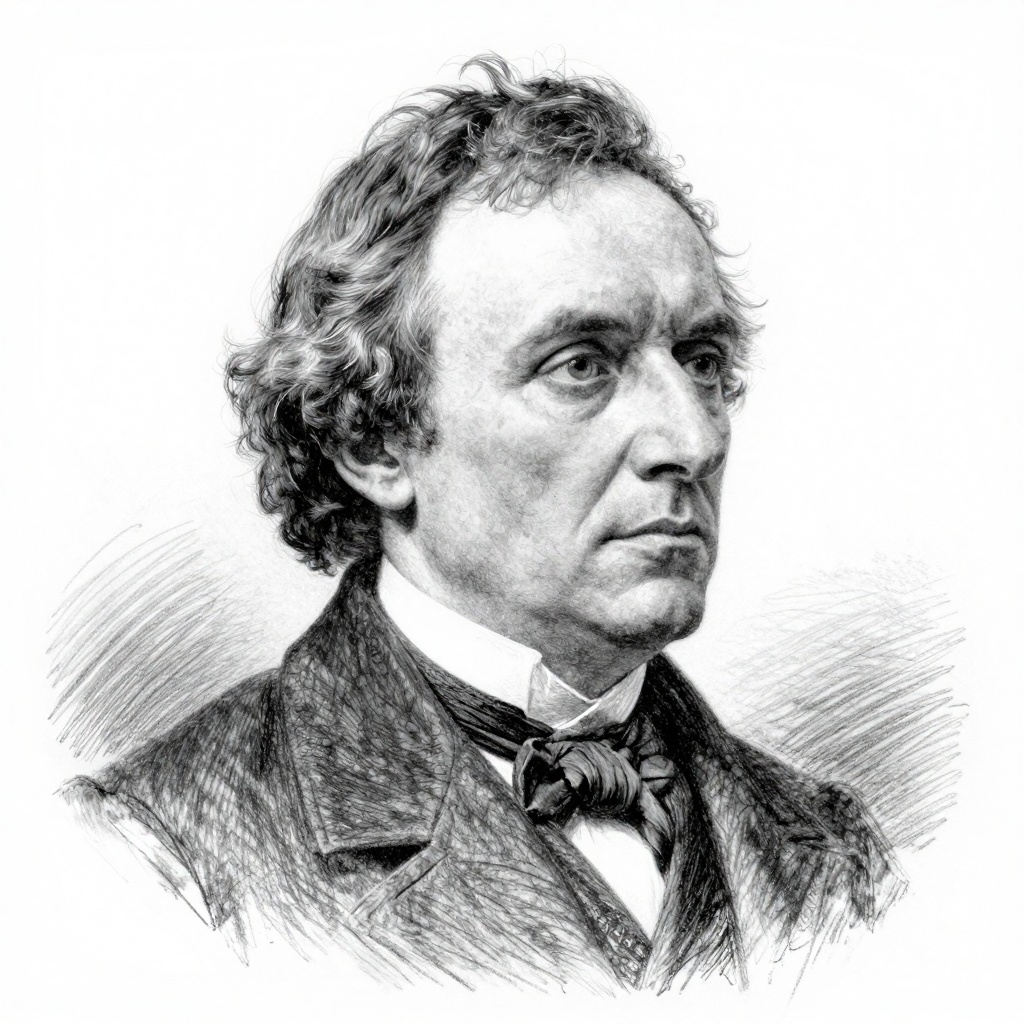
William Makepeace Thackeray was an English novelist and satirist born on July 18, 1811, in Calcutta, India. He is best known for his iconic work "Vanity Fair," which offers a vivid portrayal of early 19th-century British society and its morals. Thackeray's keen social commentary and character-driven narratives have made him a significant figure in Victorian literature.
Comments