Quote · Added 14 February 2026
Enslave the liberty of but one human being and the liberties of the world are put in peril.
William Lloyd GarrisonLetter from William Lloyd Garrison to the Public, 1831
Quote · Added 14 February 2026
When we think about justice, we often imagine it as something that either works for everyone or it doesn't—like a system that's either fair or broken. But Garrison's insight cuts deeper. He's suggesting that oppression anywhere creates a precedent that weakens freedom everywhere. Once society accepts that some people don't deserve basic rights, the logic that justifies that becomes available for future use against anyone.
This plays out in ways we might not immediately recognize. When we tolerate workplace bullying of unpopular employees, ignore discrimination against a particular group, or accept that "security" means surveillance for certain neighborhoods, we're not just harming those people—we're normalizing the idea that liberty isn't universal. We're training ourselves and our institutions to believe that some people matter less. That muscle memory gets stronger over time, and eventually nobody's rights feel as solid.
The non-obvious part: Garrison wasn't being sentimental. He understood that moral consistency in a society isn't just about feeling good—it's about survival. Systems built on exceptions to freedom are unstable. They require constant policing of who deserves what, and that machinery eventually turns on everyone. Real freedom requires defending it for people you disagree with, people who are easy to ignore, and people nobody's watching out for.
1805–1879·lived 73 years
William Lloyd Garrison was an American abolitionist, journalist, and social reformer best known for his activism against slavery in the 19th century. He founded the anti-slavery newspaper "The Liberator" in 1831 and was a prominent voice in the moral opposition to slavery, advocating for immediate emancipation. Garrison was also a co-founder of the American Anti-Slavery Society and played a significant role in the women's suffrage movement.
Also by William Lloyd Garrison
We may be personally defeated, but our principles never!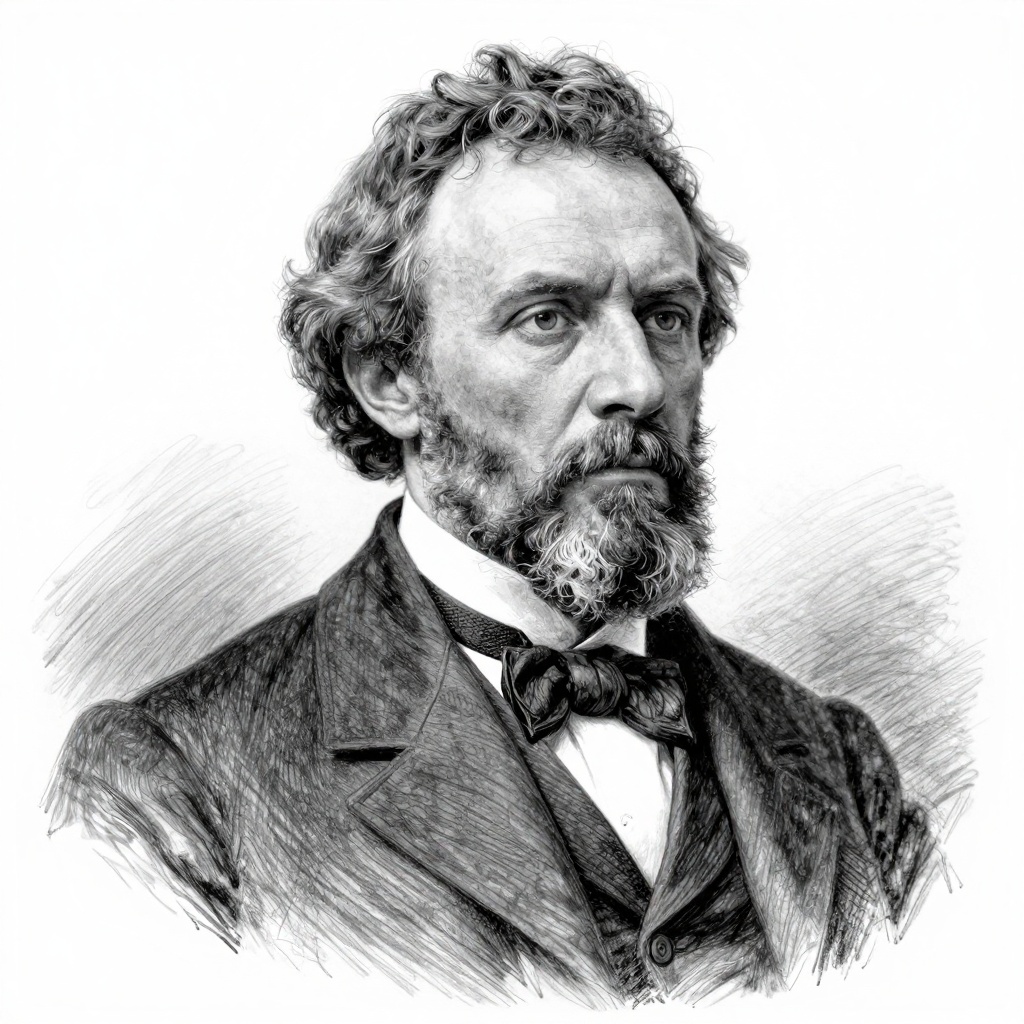
Comments